Physical Address
304 North Cardinal St.
Dorchester Center, MA 02124
Physical Address
304 North Cardinal St.
Dorchester Center, MA 02124

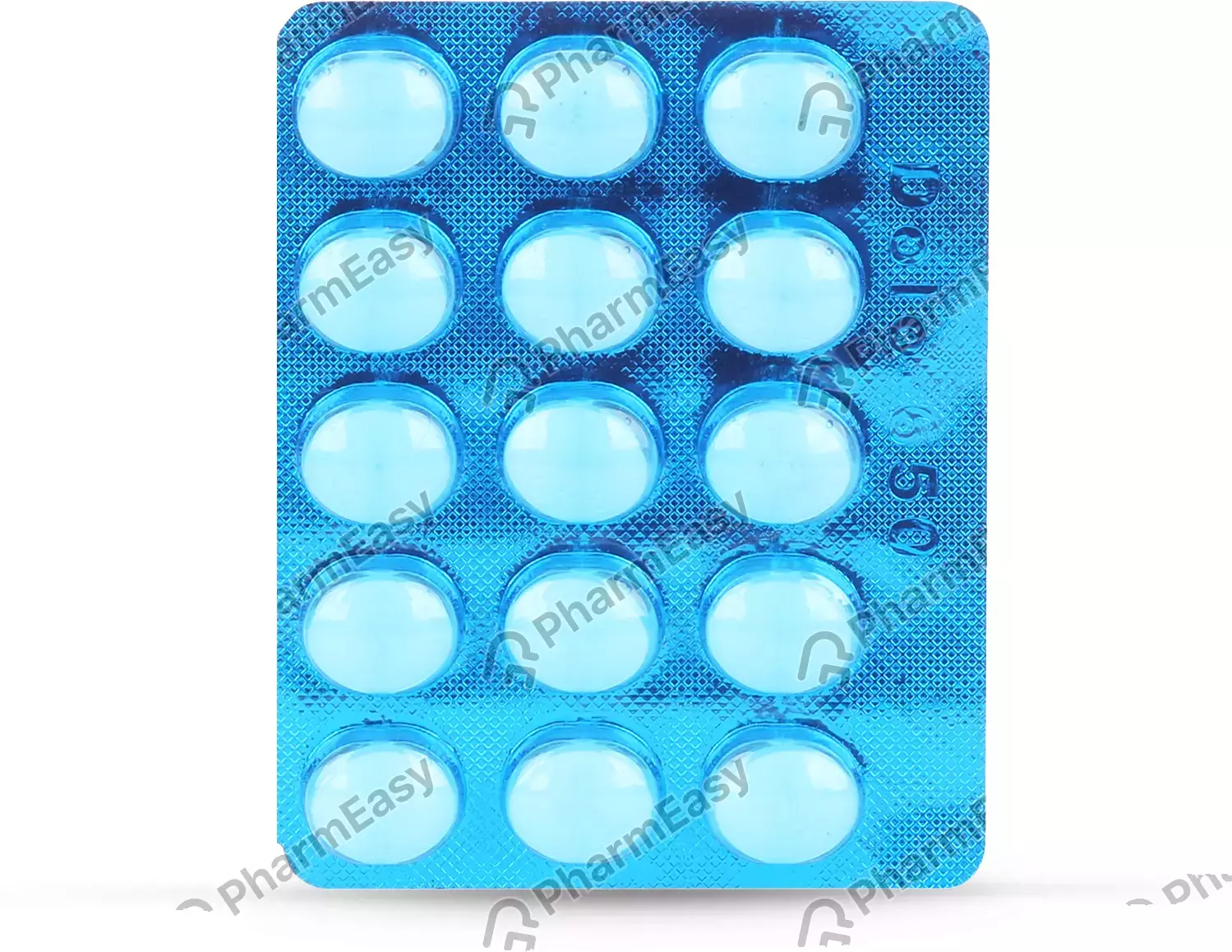
Fever in children can be stressful for parents, especially when it strikes at night or during seasonal viral outbreaks. Across Indian households, one name comes up repeatedly when a thermometer crosses 100 degrees, which is Dolo 650. Known for its fast-acting relief and trusted safety profile, Dolo has become a household staple. However, while Dolo 650 is safe and effective for older children, many parents are unaware that it is not suitable for all ages or weights. Administering the wrong dose can risk toxicity, while underdosing can delay recovery. Understanding when and how to give Dolo correctly is essential for every parent.
Fever is not an illness in itself, and it is the body’s natural defence mechanism against infection. However, if the temperature rises too high or if a child is uncomfortable, fever medicines like Dolo help reduce discomfort and prevent complications. Paracetamol (acetaminophen) is the active ingredient in Dolo, works by acting on the hypothalamus, the part of the brain that regulates body temperature. It also has mild pain-relieving properties that help reduce headaches, body aches, and muscle soreness often associated with viral infections.
During India’s winter and smog-heavy months, paediatric fever cases increase sharply. The combination of cold air, pollution, and school exposure makes children vulnerable to viral infections. Pharmacists often encounter parents seeking “something strong” for a fever. However, what works for adults may not be suitable for children. This is especially true for Dolo 650, which contains a higher paracetamol dose.
The 650 mg strength of Dolo is designed primarily for adults and children aged 12 years and above, weighing over 40 kilograms. It is not suitable for toddlers or younger children, as their liver function is still developing and cannot process high doses safely.
For younger children, paediatric formulations like Dolo 250 syrup or P 250 drops are more appropriate. The general dosing principle for paracetamol in children is 10–15 mg per kilogram of body weight, given every 4–6 hours, with a maximum limit of 60 mg/kg/day.
Pharmacists should always verify the child’s weight and age before recommending any fever medicine.
To summarise safe dosing guidelines:
Always give the medicine after food or milk to minimise stomach discomfort.
Even though Dolo is widely used, dosage errors remain frequent, especially when parents rely on guesswork instead of pharmacy or doctor guidance. Some common mistakes include:
Pharmacists should educate parents that paracetamol overdose can damage the liver and is one of the most common causes of drug-related toxicity in children.
In India, pharmacists are often the first point of contact during a child’s illness. Pharmacy counselling is crucial in preventing incorrect dosing and promoting responsible self-care. When a parent requests Dolo 650 for a young child, the pharmacist should:
Pharmacies like Apollo Pharmacy play a vital role by ensuring parents access authentic paediatric medicines, clear dosage charts, and pharmacist guidance.
Paracetamol is generally well-tolerated when used correctly, but mild side effects can occur, such as nausea, tiredness, or stomach irritation. Overdose, however, can cause serious complications like liver toxicity or vomiting with drowsiness. Parents should seek urgent medical help if the child develops:
These symptoms may indicate liver overload and require immediate medical evaluation.
Medicines alone don’t cure fever; comfort care plays a big role in helping recovery. Parents can follow these supportive steps along with the Dolo dosage:
It’s also advisable to monitor the fever every 4–6 hours and maintain a simple temperature log to share with your doctor if the fever continues.
Parents should not rely on self-medication for prolonged fevers. Consult a paediatrician if:
Doctors may order basic tests to rule out dengue, flu, or bacterial infections that require additional treatment. Pharmacists should encourage such evaluations instead of repeated self-dosing.
Apollo Pharmacy ensures that parents not only get authentic medicines but also the right information. Pharmacists help bridge the gap between at-home care and clinical advice. They can suggest the correct product, dosage tools (like syringes or droppers), and guide parents on combining medicine with hydration and rest. This proactive role enhances safety and prevents misuse.
Fever in children is common but manageable with awareness and caution. Buying Dolo 650 online is safe for older children and teenagers, but younger ones need carefully calculated paediatric doses. Over-the-counter availability should not lead to overconfidence; correct dosage, timing, and supervision are essential for safety.
Parents should remember that medicine is only one part of care; hydration, comfort, and medical monitoring complete the process. With authentic medicines from Apollo Pharmacy and access to paediatric experts via Apollo 24|7, parents can manage childhood fevers confidently and safely.
Buy Dolo 650 online from Apollo Pharmacy for trusted paediatric care and accurate dosage.