Physical Address
304 North Cardinal St.
Dorchester Center, MA 02124
Physical Address
304 North Cardinal St.
Dorchester Center, MA 02124

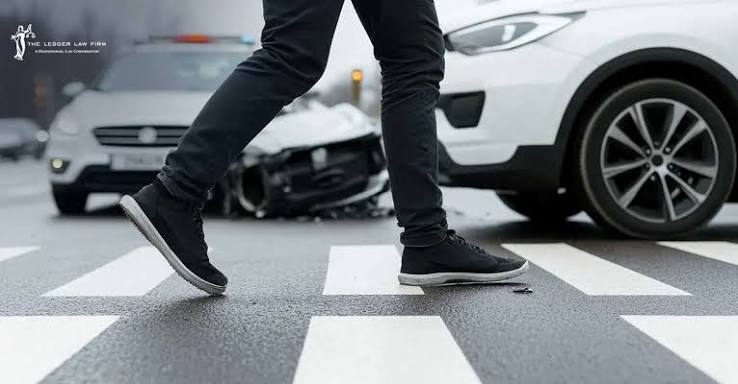
A car striking someone on foot can change a life in seconds, and anyone looking for help with pedestrian accident claims in Peoria needs clear facts fast. Walkers have no metal frame, airbag, or seatbelt between them and a moving vehicle, so even a slow-speed impact can leave broken bones, head injuries, or months of missed work.
This article explains where these crashes tend to happen around town, which steps protect an injury case, and which Illinois rules decide who pays. It also covers deadlines, insurance tactics, and signs of a good local attorney.
Many pedestrian injuries in the area happen on wide, busy roads where drivers expect few people on foot. Stretches of War Memorial Drive, Knoxville Avenue, and Sheridan Road carry heavy traffic past shopping centers, bus stops, and apartment complexes. People cross mid-block to reach a CityLink stop or a store, and drivers traveling well above city-street speeds have little time to react.
Downtown brings a different risk. One-way streets such as Adams and Jefferson invite quick turns across crosswalks, and drivers watching for a gap in traffic often miss someone already stepping off the curb. Students on Main Street near campus, concertgoers leaving the Civic Center, and families heading to the riverfront all share these blocks with commuters in a hurry.
Weather adds another layer. Short winter days mean many people walk home from work in the dark, and snow piled at corners can push walkers into the street. Peoria drivers dealing with ice and glare may not stop in time, even when they are trying to be careful.
The hours after a crash shape the strength of any claim that follows. If the injured person is able, or has a friend or relative nearby, these actions can make a real difference:
Medical records matter more than most people expect. Insurers often argue that a gap between the crash and the first doctor visit proves the injury came from somewhere else. A prompt exam closes that gap and creates a written link between the impact and the harm.
State law gives walkers strong protection in crosswalks. Under the Illinois crosswalk statute, drivers must stop and yield to a person crossing within a crosswalk on their side of the road when no working traffic signal controls the spot. Drivers also have a general duty to watch for people on foot and to slow down near children, crowds, and poor visibility.
That does not mean every case is simple. Illinois follows a modified comparative fault system. A pedestrian found partly to blame can still recover money, but the award shrinks by that share. Someone judged 25 percent at fault for crossing against a signal would collect 75 percent of the total damages. Once a person’s share reaches 51 percent, the law blocks recovery completely.
Because so much rides on that percentage, details like vehicle speed, street lighting, and driver phone use carry real weight in a Peoria courtroom or settlement talk.
An adjuster from the driver’s insurance company may call within days, sounding friendly and concerned. That person works for the insurer, and the job is to keep payouts low. Common tactics include asking for a recorded statement, requesting broad access to past medical records, or offering a quick check before the full extent of an injury is known.
Anyone hurt in Peoria can politely decline to give a recorded statement until they have spoken with a lawyer. Phrases like “I’m fine” or “I didn’t see the car” can be twisted later to suggest the walker caused the crash. Signing a release ends the claim for good, so accepting an early offer may leave someone paying for surgery or therapy out of pocket months later.
A strong claim looks at the full cost of an injury, not just the first emergency room bill. Illinois allows injured walkers to seek payment for hospital stays, surgery, physical therapy, and future medical care tied to the crash. Lost paychecks from missed shifts count too, along with reduced earning power if someone can no longer do the same job.
Damages also reach beyond money already spent. Pain, emotional distress, scarring, and the loss of hobbies or family activities all carry value in a settlement or verdict. Keeping a simple written journal of daily struggles, missed events, and medical visits gives a lawyer concrete details to show an insurer or jury how deeply the crash changed everyday life.
Most injury lawsuits in Illinois must be filed within two years of the crash, according to the state statute of limitations. Missing that date usually wipes out the right to recover, no matter how serious the injuries are.
Some cases move on a faster clock. A crash involving a Peoria city vehicle or a CityLink bus may fall under a one-year limit set by the Local Governmental and Governmental Employees Tort Immunity Act. Claims for children and wrongful death claims follow their own timing rules as well. Since security video from nearby businesses is often recorded within weeks, waiting too long hurts a case even before the legal deadline arrives.
Not every law office handles pedestrian cases the same way. Some large firms pass files to case managers, leaving clients unsure who is actually working on their claim. A strong choice for Peoria residents is a lawyer who knows local courts, answers calls directly, and has years of trial experience to back up negotiations.
Good questions to ask during a free consultation include who will handle the case day to day, how the fee works, and whether the percentage changes if a lawsuit is filed. Most injury lawyers work on contingency, meaning they collect a fee only if they win money for the client.
A crash on foot can leave someone facing pain, bills, and uncertainty all at once. Acting quickly, saving evidence, and getting trusted legal advice gives injured walkers in Peoria the best chance at a fair result and a steady recovery.