Physical Address
304 North Cardinal St.
Dorchester Center, MA 02124
Physical Address
304 North Cardinal St.
Dorchester Center, MA 02124

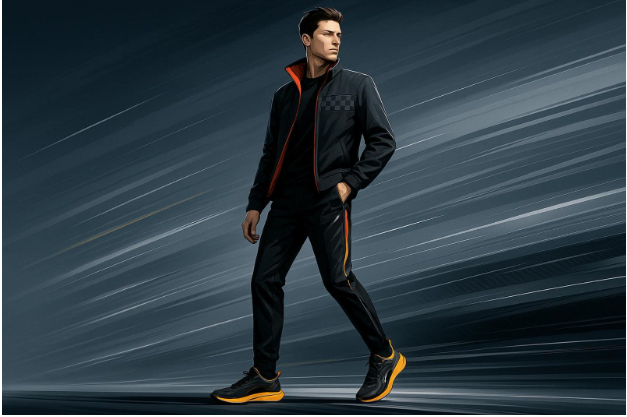
Motorsport culture shapes global streetwear by bringing high energy, technical details, and a bold, practical look into everyday clothing. It feeds a growing taste for “Motorsport Chic”-a style that links the rush of the racetrack with relaxed city dressing.
By reusing features like fire-resistant fabrics, streamlined cuts, and sponsor-heavy graphics, designers have turned racing gear from pure safety wear into a clear visual language of identity and performance that connects with people around the world.
This mix is about more than looks; it reflects a deeper cultural exchange. As fans look for fresh ways to show support beyond race day, demand for quality apparel has surged. Whether it’s a retro racing jacket or the latest Oscar Piastri merch, the link between the paddock and the street is now firmly part of modern fashion.
Today, the roar of the engine shows up in bright colors, sharp lines, and bold graphics on clothes we wear every day.
The clearest influence of motorsport on streetwear is visual. Designers have long been drawn to the smooth shapes and sharp angles of race cars and bring these ideas into clothes that look fast even when you are standing still. Classic racing symbols like the checkered flag, bold stripes, and high-visibility colors-such as Ferrari red or McLaren yellow-have become core features in many streetwear collections.
Beyond color, the build of racing gear offers many ideas. Details like contrast piping, padded shoulders, and shaped knees in pants copy the protective design of pro racing suits. These touches give everyday outfits a striking, high-energy feel and suggest movement and focus that basic casual wear often lacks.
Streetwear is driven by attitude, and few arenas feel cooler than top-level racing. Designers are drawn to the sport’s mix of danger, speed, and technical skill. It offers a story of accuracy and high standards that turns a simple hoodie or jacket into a bold statement. The “racer fashion” trend lets designers play with the idea of the “modern warrior,” where a driver’s suit becomes armor for city life.
The long history of motorsport also gives designers huge inspiration. From the leather-heavy looks of the 1950s to the logo-covered tuner culture of the late 1990s, there is plenty of past style to rework. Designers can tap into nostalgia while also pushing new, tech-influenced ideas for tomorrow’s fashion.
The classic racing jacket is at the center of this trend. With its close fit and standout patches, it has moved from pit lane to runway. Brands now add functional parts like heavy zippers, Velcro straps, and even panels shaped with airflow in mind. These features support a broader move toward practical, utility-focused fashion.
We also see tire-tread patterns on sneaker soles and stamped onto leather accessories. The so-called “Exhaust Manifold” look, based on the twisting pipes of high-performance exhausts, has shaped how some knitwear and draped pieces are cut, wrapping the body in layered, machine-like curves.
For many people, motorsport-inspired clothing is a way to show they belong to a certain crowd. Similar to how fans in the 1970s and 80s wore team colors, today’s streetwear fans use these pieces to share their love for engineering and speed. It is a tool for shaping identity, helping the wearer project a sense of performance and intent.
This link is also fed by “tuner culture,” made famous by films like The Fast and the Furious. This scene moved the spotlight from pro racing circuits to modified road cars, stressing personal flair and the craft of upgrading machines. That DIY mindset fits streetwear perfectly, as the style has always been about remixing and reclaiming symbols from wider culture.
Racing gear is built to work under extreme pressure. This focus on function strongly appeals to many Gen Z and Millennial designers shaping fashion today. There is rising respect for tough, utility-grade fabrics-materials that are durable, breathable, and purposeful. This practical mindset pushes back against throwaway “fast fashion” and supports items that feel solid and honest.
The move of workwear and racing gear into everyday wardrobes shows a wish for clothing that matches busy, on-the-go lives. Moisture-wicking base layers, windproof shells, and protective outerwear that started on the track now fit city life very well.
New ideas in car design often find their way into clothing. Designers like Punn Viravaidhya have led the use of unusual materials such as car seat fabrics, carbon fiber weaves, and car cover textiles in their work. By treating fashion design as an extension of car engineering, they break down the parts of a vehicle and rebuild those ideas into new clothing shapes.
Methods like “mechanical dissection”-breaking images of car parts into smaller sections and turning them into garment patterns-have led to truly new-looking clothes. Mesh designs used in car grilles reappear in layered fabrics that echo airflow, showing how race-day physics can shape wardrobe style.
A new generation of designers is claiming racing gear as a cultural symbol. Free from many big-brand marketing limits, they explore how tradition meets modern life. Some mix the fierce look of Japanese race cars with clean, simple lines from traditional Japanese workwear like samue and tobi pants. This mix of tough practicality and cultural roots creates a strong, unique feeling for the wearer.
These designers are doing more than making outfits; they are creating physical “tributes” to customization culture. By reusing reflectors, workshop fabrics, and other industrial materials, they push the limits of what fashion can say, turning a basic look into a story about human creativity and problem-solving.
The “Bikercore” look has broken into the mainstream, turning racing suits, gloves, and boots into key streetwear pieces. Once a niche style, it is now embraced by social media trendsetters. This look leans into a rebellious, “tough-luxe” mood, moving away from polished or cute trends toward something rougher and more honest.
Bikercore is about the full outfit, not just the jacket. Think wide racing pants with slim tops, or heavy moto boots worn under a light, floaty dress. This mix of rugged and refined is what makes the trend stand out in today’s fashion cycle.
The path from racetrack to runway has taken years. Designers like Marc Jacobs started playing with these ideas around 2014, followed by Tommy Hilfiger in 2018. The trend hit a new peak when luxury labels built whole collections around racing style. Ferrari’s 2021 ready-to-wear line by Rocco Iannone was a key moment, merging high fashion with the brand’s famous racing colors.
Now, Formula 1-inspired outfits with aerodynamic cuts and tire-tread details are common on major runways in Paris and Milan. “Motorsport Chic” has moved far beyond a small niche and become a global force, showing that the pull of speed and performance crosses borders. To complete such a look with smaller, authentic details like team keyrings, branded umbrellas, or high-end mugs, many enthusiasts visit https://www.topracingshop.com/.
The “Ferrarigirl” look has exploded on TikTok, showing how women are claiming space in what was once seen as a male area. By mixing tough, race-ready pieces with classic feminine items-like a heavy racing jacket over a mini skirt-women are creating outfits that feel both strong and stylish. The rise of the #MotoBoho trend in early 2025, pairing romantic ruffles with biker boots, shows this shift clearly.
This change fits into a wider move toward gender-fluid dressing. Women are no longer asking for softer or “prettier” versions of racing gear; they are choosing the same strong, original pieces used by pros and working them into their own style to add structure and boldness.
Motorsport fashion naturally fits all genders. A racing jacket or technical cargo pants can flatter any body type. This flexibility helps explain its worldwide success. As the divide between “his” and “hers” closets fades, the firm shapes and useful features of racer fashion offer a shared style space.
The appeal is global too. From Tokyo streets shaped by custom car culture to the fashion centers of Europe, people read the signals of motorsport in similar ways. It stands for shared respect for precision, performance, and constant self-improvement.
Partnerships between luxury brands and racing teams now set the bar for innovation. The Louis Vuitton x McLaren project, which placed the LV monogram on race cars, led to a limited capsule that blended luxury with bold racing cues. Prada’s link-up with Aston Martin combined sleek Italian design with British car heritage.
These joint projects go beyond simple logo swaps. Fashion brands gain access to high-performance materials and advanced production methods, while car brands reach new fans in the luxury lifestyle market.
Ferrari and Honda are key players in this space. Ferrari’s move into full ready-to-wear has changed what a car brand can do, showing that its racing spirit can appear in trench coats, bombers, and parkas. Honda’s presence at Paris Fashion Week with bold Bikercore looks has also tightened the link between moto history and high fashion.
These companies are offering more than basic fan gear; they promote a full lifestyle. By creating stylish, high-quality pieces, they speak to a new wave of fans who care about speed and design as much as they care about cars.
As car makers look for fresh income sources, fashion has become a natural path. Many brands are moving beyond simple logo licensing and taking an active role in building real fashion lines. This often means hiring creative directors with strong fashion backgrounds to produce collections that meet high style expectations.
This move helps car brands build standing in culture beyond vehicles. By showing up on runways and in major editorials, they can reach younger, broader audiences who may not yet buy a sports car but are happy to buy into the look and story.
Platforms like TikTok and Instagram play a key role in spreading racer fashion. Hashtags such as #racerjacket, #vintagejacket, and #ferrarigirl have millions of views, driving interest in both new and second-hand racing pieces. The visual, quick-hit style of these apps fits perfectly with the bold graphics and bright colors of motorsport clothing.
Influencers and thrift-focused creators help make the look feel reachable. By styling old racing jackets with current streetwear, they have taken a niche collector’s hobby and turned it into a wide trend. Videos unboxing rare, sponsor-covered jackets have become popular content, feeding more demand.
Support from major celebrities has pushed motorsport fashion into the mainstream. Stars like Rihanna, Kim Kardashian, and Dua Lipa often appear in custom or luxury racing jackets, quickly turning these items into must-haves. Their styling-mixing high-energy racing pieces with everyday clothes-encourages millions of fans to try similar looks.
Lewis Hamilton stands out as a key figure in this crossover. As a co-chair of the 2025 Met Gala, he used his role to highlight motorsport’s place in modern style. His outfits, which often blend cutting-edge streetwear with clear racing elements, have made him a global style reference who links the grid with the front row.
Subcultures like Japan’s modified car scene offer steady inspiration. Their focus on “singularity”-the idea that every car upgrade reflects its owner-translates easily into fashion. This belief in customization and constant tweaking matches youth cultures that value realness over mass-market trends.
The “Midnight Motors” theme seen in recent menswear also echoes this spirit, leaning into a darker, rock-tinged moto look. With black leather, strong hardware, and sharp cuts, this style celebrates the rebellious side of racing while still feeling modern.
The reach of racing style goes well beyond jackets and pants. Helmets, once purely safety gear, now appear as bold runway pieces. Designers cover them in luxury fabrics, detailed patterns, and even jewels or feathers, turning them into dramatic headwear.
In footwear, moto boots are now a streetwear staple. Brands like Miu Miu have launched multi-strap biker boots that quickly gained cult status. Beauty trends follow too: “motorsport-inspired” makeup uses bright colors and metallic finishes that reflect the shine of a race car under lights.
The checkered flag remains one of the strongest motorsport symbols in city style. It shows up on handbags, scarves, skate decks, sneakers, and more. It suggests speed and energy, fitting fast-paced urban life. For many young people, these patterns stand for a “never settle” mindset-a constant push to go faster and do better.
Racing caps and gloves also appear as both useful and stylish pieces. They add a sporty touch to outfits and let wearers carry a hint of track life wherever they go. This choice of accessories shows a lifestyle that celebrates speed, style, and technical skill.
Like any major trend, the growth of racer fashion brings environmental concerns. Fast-fashion chains quickly copy racing styles at low prices, often using poor-quality synthetic fabrics that end up in landfills. The technical nature of many racing-inspired garments often calls for plastics and blends that are harder to recycle.
Some brands, however, are pushing for greener motorsport fashion. By choosing organic fibers, recycled materials, and fair production methods, they show it is possible to capture racing excitement while cutting harm to the planet. The growing popularity of thrifting and resale among Gen Z also helps, as more fans hunt for real vintage pieces instead of cheap copies.
There is a thin line between honoring a culture and taking from it without care. In motorsport fashion, this often involves sponsor logos, team colors, and national symbols. Critics say that wearing these marks without knowing their story or meaning can feel shallow. Many designers, though, see their work as a tribute to the skill, risk, and teamwork behind racing.
The strongest labels are those that work closely with the motorsport community. By teaming up with real racing teams or drivers, they ground their designs in real stories and shared respect. This kind of connection to car culture is what separates meaningful design from a short-lived trend.
A common criticism of racer fashion is the gap between real function and surface style. A true racing suit is built for safety, while a “racer-style” street jacket often focuses on looks. The result can be pieces that imitate the visual of track gear but lack comfort or usefulness.
Good design finds a middle ground. By adding real technical features-such as breathable linings, weather-resistant shells, and ergonomic cuts-brands can offer clothes that look like racing gear and also work well in daily life. In this way, the clothing becomes more than a costume and keeps a real link to its motorsport roots.
Looking ahead, motorsport fashion will likely blend even more with new tech. Smart fabrics that adjust temperature, track movement, or give haptic feedback-similar to sensors in modern race cars-are already in development. We may also see ideas from “Street Bride” or “Retro Ski” styles mixing with racing details, creating new hybrid looks.
| Emerging Hybrid Styles | Key Features |
| Street Bride x Racing | White dresses with harnesses, technical zips, and patches |
| Retro Ski x Racing | Padded suits, color blocking, reflective stripes |
| Neo Chinese Style x Racing | Traditional cuts with high-tech fabrics and team graphics |
The “Neo Chinese Style” trend is also growing, blending classic Eastern shapes with racing-inspired materials and prints. This mix of different cultures and new technology will keep pushing streetwear forward and keep motorsport’s influence fresh.
AI-powered trend tools now help brands predict which motorsport themes and items people will like most. This supports more careful production by focusing on designs that have a real chance of being worn instead of ending up as waste. At the same time, features like flame-resistant coatings and carbon-fiber-style textiles are moving from pit lane to daily outfits.
Print-on-demand services are rising too, letting people order custom pieces linked to specific car scenes. Fans of classic muscle cars, drift culture, rally legends, or electric race series can each wear clothes that speak directly to their passion.
Many designers believe the next phase of streetwear will focus even more on precision and performance. As life becomes more digital, there is a growing wish for clothes that feel solid, constructed, and “engineered” rather than flimsy or generic. This points to more attention on good stitching, sharp patterns, and materials chosen for both story and function.
The mental link between an athlete’s focus and a designer’s craft will grow stronger. Just as a mechanic spends hours fine-tuning an engine, future fashion will center on patient, detailed work. For motorsport fans, wearing these pieces is more than a style choice-it expresses values: commitment, discipline, and a refusal to accept “good enough.” This shared mindset between speed and style suggests that the bond between motorsport and streetwear will keep growing for many years.