Physical Address
304 North Cardinal St.
Dorchester Center, MA 02124
Physical Address
304 North Cardinal St.
Dorchester Center, MA 02124

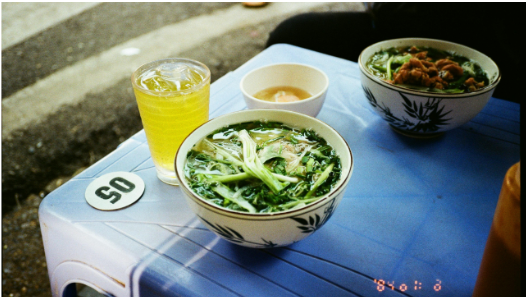
Hanoi Street Food Tour opens the door to one of the world’s most vibrant culinary cultures, where everyday meals are prepared on street corners, in narrow alleys, and at family-run stalls passed down through generations. If you are on the way to explore Hanoi’s food scene, this guide helps you navigate beyond tourist spots and discover the real flavors of Hanoi food that locals enjoy daily.
What to Expect on a Hanoi Street Food Tour
A Hanoi street food tour is less about restaurants and more about experiencing everyday local life through food, alleys, and culture.
Hanoi’s culinary repertoire runs deep. Here are the essential dishes any serious food tour should include:
In Hanoi, pho is breakfast. Hanoi’s original pho is known for its clear, delicate aromatic broth, thinly sliced beef, and simple garnishes.
A lighter, subtler cousin of beef Phở, but made with a golden chicken broth. Traditionally eaten on Mondays and Fridays, it’s a dish that rewards those who prefer elegance over intensity.
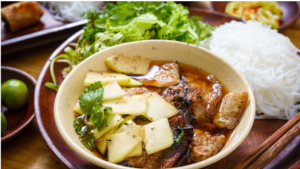
Grilled pork patties and sliced pork belly served over vermicelli noodles, with a sweet-savory dipping broth full of herbs and pickled vegetables. Bún chả is quintessentially Hanoian and, since a certain former U.S. president had a famous bowl of it, internationally beloved.
One of Hanoi’s most refined noodle soups, traditionally prepared for special occasions. The broth is made from chicken, shrimp paste, and dried shrimp; the toppings are a careful mosaic of shredded chicken, thin egg ribbons, and cured pork.
The Vietnamese baguette sandwich is one of the great culinary legacies of the French colonial era. Hanoi’s version tends to be simpler and crispier with just pâté, butter, cold cuts, and pickled vegetables in a supremely crunchy roll.
Silky, translucent rice rolls steamed fresh and filled with seasoned pork and wood ear mushrooms, then served with crispy fried shallots and a light dipping sauce.
Sold from early morning, sticky rice comes loaded with a dizzying variety of toppings: mung bean paste, fried shallots, pork floss, sausage, or a fried egg.
One of Hanoi’s most iconic dishes with turmeric-marinated freshwater fish sizzled tableside, dill and spring onions, then eaten over vermicelli with peanuts, shrimp paste, and herbs.
A seasonal specialty found only in autumn, made from rươi (a type of polychaete worm found in northern Vietnam’s estuaries), mixed with egg and tangerine peel and fried into fragrant patties.
Hanoi’s most famous contribution to global coffee culture: a thick, custard-like foam of whisked egg yolk and condensed milk spooned over a shot of strong Vietnamese coffee.
A popular street snack of chewy dried beef tossed with green papaya, herbs, crushed peanuts, and a tangy lime dressing.
A delicate dessert of coconut milk jelly cubes and longan served over crushed ice.This dessert is cool, fragrant, and remarkably refreshing on a hot Hanoi afternoon.
A Hanoi institution since the 1950s, Trang Tien ice cream is sold in front of the famous state-run shop on Trang Tien Street. Flavors like durian, coconut, and green tea are stacked in small cones.
A traditional Hanoian sweet made from young green rice (cốm), pressed into small cakes with a mung bean and coconut filling, wrapped in banana leaf.
O mai is a traditional Hanoi snack made from preserved fruits like plums, apricots, and tamarind, coated with sugar, salt, ginger, or licorice. It delivers a distinctive balance of sweet, sour, salty, and spicy flavors.
Overall, Hanoi’s street food scene offers far more than just great meals, or rather, it’s one of the best ways to experience the city’s culture, history, and everyday local life. For a deeper look into the best local dishes and food spots, check out this guide to Street Food Hanoi Old Quarter Experience.
Book Your Hanoi Street Food Tour with Joytime: Local Knowledge, Local Prices
The best way to experience a street food tour in Hanoi is with locals who truly know the city. Joytime Vietnam offers small-group and private food tours led by Hanoian guides, taking you deep into hidden alleys, family-run stalls, and authentic dishes like bún thang and pho.
With no tourist markups and fully transparent pricing, you get real local food, real stories, and a more authentic way to experience Hanoi.
Beyond food tours, Joytime also connects travelers to a complete Vietnam travel experience:
From street food to sightseeing, Joytime Vietnam keeps your Vietnam journey simple, local, and connected.
A street food tour in Hanoi is more enjoyable when you know how to approach it like a local. We have some simple habits for an ideal Hanoi street food tour:
A Hanoi street food tour is more than just eating your way through the city, or rather, it’s stepping straight into its culture, history, and daily rhythm. With curated experiences from Joytime Vietnam, travelers can explore Hanoi’s food scene through trusted local guidance, authentic flavors, and hidden spots they’d never find on their own.
Come hungry, stay curious, and let Hanoi do the rest.