Physical Address
304 North Cardinal St.
Dorchester Center, MA 02124
Physical Address
304 North Cardinal St.
Dorchester Center, MA 02124

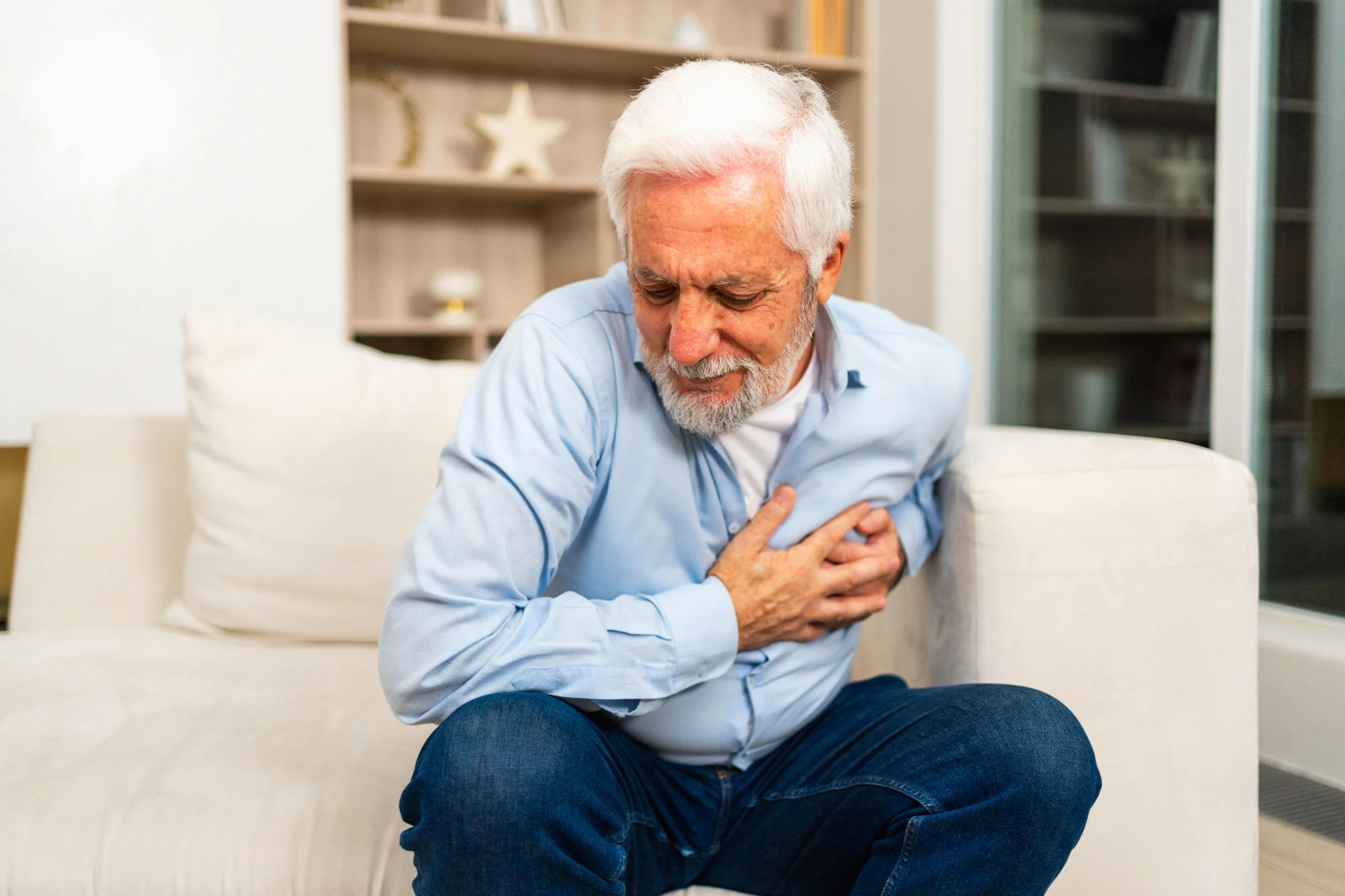
Heart disease remains one of the leading health concerns for older adults. As we age, our risk for heart-related problems increases, and symptoms may appear differently than they do in younger people. Knowing the warning signs-and acting quickly-can save lives.
Understanding what to watch for empowers seniors and their families to respond before a minor issue becomes a medical emergency. Read on.
Chest Discomfort as Heart Warning
Chest pain or discomfort is the most well-known heart warning sign. It may feel like pressure, tightness, squeezing, or fullness in the chest. Some seniors describe it as heaviness rather than sharp pain.
The discomfort may last for several minutes or come and go. Even mild chest sensations should be taken seriously, especially if they occur during activity or emotional stress. Never assume chest discomfort is just indigestion or muscle strain.
Shortness of Breath During Normal Activities
Feeling unusually short of breath while walking, climbing stairs, or performing routine tasks can signal a heart problem. This may happen with or without chest pain.
Shortness of breath occurs when the heart cannot pump enough blood to meet the body’s needs. If breathing suddenly becomes difficult or feels different than usual, medical attention is essential.
Pain That Spreads Beyond the Chest
Heart-related pain does not always stay in the chest. Seniors may experience discomfort in the arms (especially the left arm), shoulders, neck, jaw, upper back, or stomach.
These symptoms can be subtle and are sometimes mistaken for arthritis or muscle pain. Any unexplained pain in these areas, especially when combined with other symptoms, should be evaluated promptly.
Unusual Fatigue or Weakness
Extreme or unexplained fatigue can be an early warning sign of heart trouble, particularly in seniors. Feeling unusually tired after minimal effort or experiencing weakness that interferes with daily activities may indicate reduced blood flow to the heart. This type of fatigue often feels sudden and out of proportion to activity levels.
Dizziness, Lightheadedness, or Fainting
Feeling dizzy, lightheaded, or faint may be a sign of an irregular heartbeat, low blood pressure, or reduced blood flow to the brain. These symptoms should never be ignored, especially if they occur suddenly or repeatedly. Fainting episodes require immediate medical evaluation.
Nausea, Sweating, or Cold Clammy Skin
Some seniors experience nausea, vomiting, or breaking out in a cold sweat during a heart event. These symptoms may appear without chest pain and are often overlooked. Sudden sweating unrelated to heat or physical activity can be a serious warning sign.
When to Act Immediately
If any of these symptoms appear suddenly, worsen, or occur together, call emergency services right away. Do not wait to see if symptoms pass.
Early treatment greatly improves survival and recovery outcomes. Some of the best facilities offer proactive heart screenings for seniors.
Staying Heart-Smart as You Age
Regular checkups, healthy eating, physical activity, and managing conditions like high blood pressure or diabetes help reduce heart risks. Most importantly, listening to your body and acting quickly can make all the difference. Knowing the signs is the first step-acting on them can save your life.
If you want to read more articles, visit our blog.