Physical Address
304 North Cardinal St.
Dorchester Center, MA 02124
Physical Address
304 North Cardinal St.
Dorchester Center, MA 02124

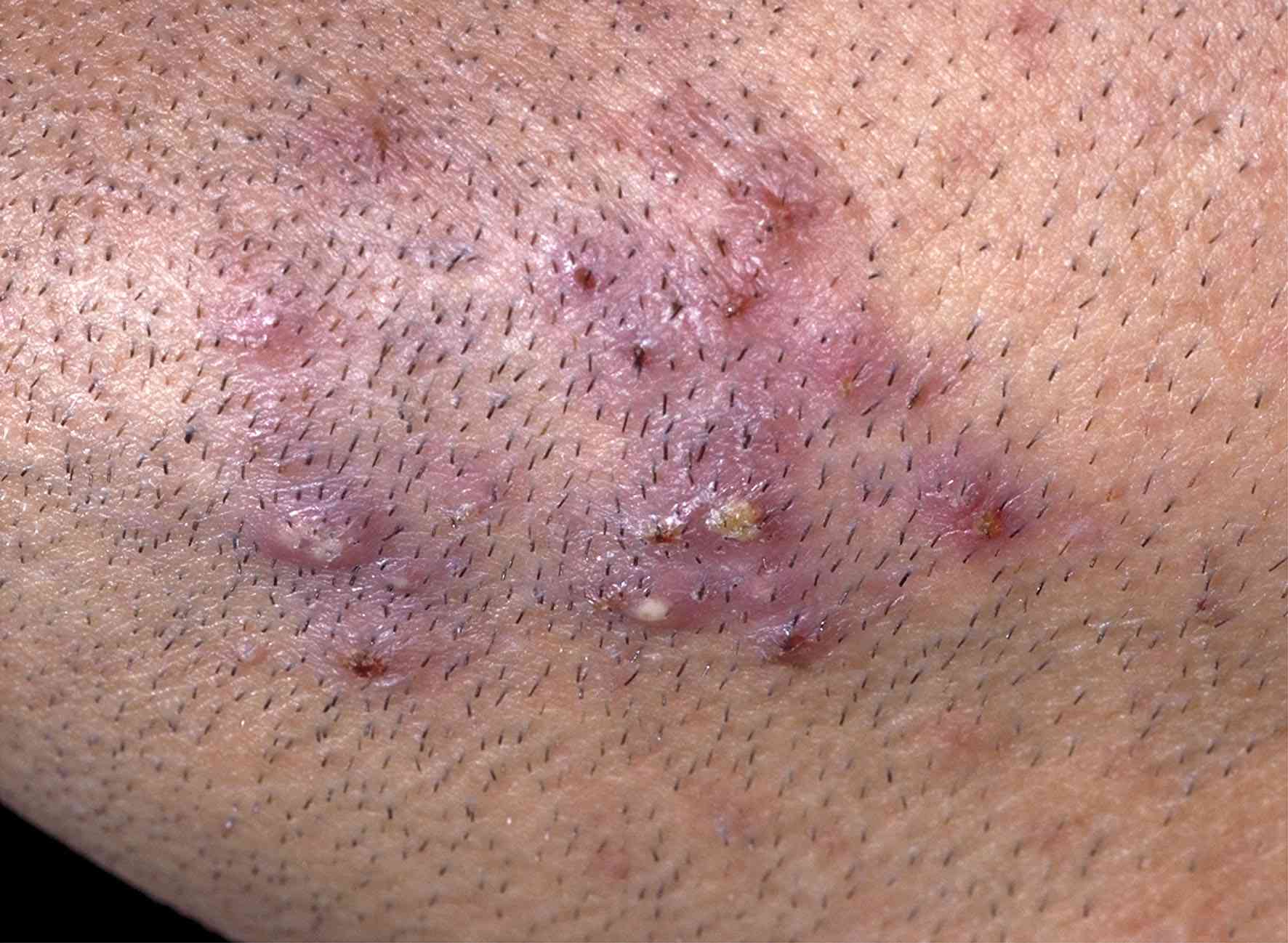
Dealing with ingrown hairs can be quite frustrating for many individuals. They can lead to painful and unsightly bumps that might even become infected.
Understanding the causes and symptoms of an ingrown hair infection is crucial for effective management, as well as knowing how to soothe irritation and prevent future occurrences. Read on to learn more.
Ingrown hairs occur when a hair curls back or grows sideways into the skin instead of rising straight. This can happen for several reasons, including improper shaving techniques, thick or curly hair, or even wearing tight clothing that rubs against the skin.
While most people encounter ingrown hairs from time to time, they can be a gateway to more serious skin infections if left untreated. The term “hair infection” often arises when someone experiences an irritation or inflammation caused by hair growing back into the skin, leading to a condition known as folliculitis.
Several factors can contribute to the development of an ingrown hair infection:
Shaving too closely can cause hairs to grow back into the skin, leading to painful and unsightly ingrown hairs. This is especially true when using dull blades, which can cause hairs to become trapped under the skin, or improper shaving cream, which can irritate the skin and make it more susceptible to ingrown hairs.
For instance, if you’re shaving your beard and use a dull blade, you may end up pushing the hairs back into the skin instead of cutting them cleanly. Similarly, using a shaving cream that contains harsh chemicals can strip your skin of its natural oils, making it more prone to irritation and ingrown hairs.
Individuals with curly or coarse hair are more prone to ingrown hairs because the way their hair grows can easily lead to it growing back into the skin. For example, people with afro-textured hair might have more ingrown hairs.
This happens because their curly hair can get trapped under the skin. Coarse hair can be harder to shave.
This increases friction and irritation. It can also lead to ingrown hairs.
Wearing clothing that is too tight can create friction, increasing the chances of hair becoming ingrown. This is especially true for individuals who wear tight clothing regularly, such as athletes or people who work outdoors.
For instance, if you’re a cyclist and wear tight cycling shorts, the friction from the fabric can cause hairs to become trapped under the skin, leading to ingrown hairs.
Accumulated dead skin can clog hair follicles, preventing hair from growing upwards and causing it to bend back into the skin. This is often the case for people who don’t exfoliate regularly, allowing dead skin cells to build up and clog the pores.
Think of your hair follicles as small tunnels. If these tunnels get clogged with dead skin, hair can’t grow out properly.
This can cause ingrown hairs. By exfoliating regularly, you can help keep your skin clear and reduce the risk of ingrown hairs.
Recognizing the symptoms of an ingrown hair infection early can minimize discomfort and prevent escalation. Typical symptoms include:
These bumps can be mistaken for acne, but they have distinct characteristics. They may appear as tender, swollen patches on the skin, often with a red or pink hue. The inflammation can cause discomfort, making it itchy or even painful to the touch.
A common sign of this condition is a hair trapped beneath the surface of the skin. This can irritate and lead to further inflammation. It’s as if the hair has become a foreign object, prompting the skin to react defensively.
In severe cases, the site may become infected, leading to the formation of pus. This is a clear indication of a bacterial infection, where the body is trying to fight off the invading microorganisms. The pus may appear as a thick, yellowish-white discharge, accompanied by increased redness and swelling.
One of the most distressing symptoms of this condition is the intense, unrelenting itch. It can be compared to having a constant, maddening itch in the middle of your back, where you can’t quite reach. The urge to scratch can be overwhelming, but it’s crucial to resist, as scratching will only exacerbate the condition.
Many people prefer to manage minor cases of ingrown hair infections at home before seeking professional medical treatment. Here are some effective home remedies:
Applying a warm compress can help reduce inflammation and promote drainage of pus. Soak a clean towel in warm water, wring it out, and apply it to the affected area for 15-20 minutes.
Gently exfoliating the area can help remove dead skin cells and may allow the trapped hair to emerge from beneath the skin. Use a mild exfoliating scrub or a soft washcloth several times a week.
Known for its antibacterial properties, tea tree oil can help reduce inflammation and fight infection. Dilute it with a carrier oil and apply it to the affected area twice daily.
Applying pure aloe vera gel can soothe irritation, moisturize the skin, and support healing due to its anti-inflammatory properties. A thin layer can be applied as needed.
Anti-inflammatory creams or acne treatment gels containing salicylic acid or benzoyl peroxide can help reduce inflammation and treat any bacterial infection. Ensure to follow the product’s instructions for application.
Taking preventive measures can significantly decrease the likelihood of developing an ingrown hair infection in the future. Consider these effective strategies:
If home remedies fail after a few days or you notice increased redness, swelling, or pus, it may be time to seek medical attention. Additionally, if you develop a fever or if the infection spreads, consult with a healthcare professional immediately.
Ingrown hair infections can cause considerable discomfort, but knowing the causes, symptoms, and home remedies can empower you to tackle them effectively. By employing simple strategies for prevention and treatment, you can keep your skin healthy and irritation-free.
Remember, proper shaving techniques and skincare play a vital role in reducing the risk of a hair infection. Don’t hesitate to reach out to a doctor if you feel your condition worsens.
For more helpful tips, check out the rest of our site today.