Physical Address
304 North Cardinal St.
Dorchester Center, MA 02124
Physical Address
304 North Cardinal St.
Dorchester Center, MA 02124


When was the last time you gave your eyes a real break? Not a quick rub, not drops from a bottle, but an actual moment of rest and relief. Most people don’t think twice about stretching their legs or cracking their knuckles—but the eyes? They just keep going.
This is where eye massage enters the picture.
This gentle, underrated practice is beginning to catch attention among patients and professionals alike. It doesn’t rely on technology, it doesn’t require expensive gear, and it takes just minutes. Yet the payoff? Measurable. Comforting. And possibly protective, too.
Let’s start by clearing something up: rubbing your eyes doesn’t qualify. In fact, it often does more harm than good. Eye massages are deliberate, light-pressure movements using either your hands or a specialized device. No scratching. No tugging. Just calm, repetitive motion around the muscles that support your eyes.
There are two easy methods to choose from: a manual massage using your fingertips or a hands-free session with an automated massager. Both work by encouraging better circulation, helping relax tension, and improving how your eyes feel day-to-day.
If you’ve never tried it before, don’t worry. You’re not behind. This isn’t a trend. It’s simply one more way to treat your body kindly.
You might be surprised how quickly your body responds to something as gentle as an eye massage. But think of it like this—your eyes work nonstop from the moment you wake up. They adjust to light, focus on screens, read fine print, track fast movements, and help interpret the world. That’s a big job.
Giving them three minutes of dedicated attention makes sense. And the results speak for themselves.
Here’s what happens when you make this a daily habit:
Blood flow doesn’t just bring oxygen. It delivers nutrients and carries away waste. This matters more than people realize. Muscles around the eyes—like the orbicularis oculi—need just as much care as muscles elsewhere. When they’re better oxygenated, they function more comfortably.
Massage encourages that healthy movement of blood through tiny capillaries. It also helps stimulate the tear glands to keep your eyes moist and protected.
Most people associate eye strain with screen time. That’s accurate, but not the full story. Reading in poor light, dehydration, allergies, and stress can also bring it on.
When you use a soft touch around the brow bone, temples, and cheek area, your eyes immediately get a chance to relax. That short pause breaks the visual tension. Over time, this adds up. It may not eliminate the causes, but it absolutely helps manage the symptoms.
Staring at digital screens drops your blink rate by more than half. That’s a big reason why so many people deal with dryness, irritation, or that familiar gritty feeling after work.
During an eye massage, blinking becomes more frequent and natural again. The surface of your eyes gets coated with fresh tears. That keeps things smoother, reduces friction, and supports better long-term comfort.
Artificial tears help, and they’re a valid treatment. But they’re not the only way to keep moisture levels up.
When you gently massage the area near the tear ducts and across the lower eyelid, it stimulates natural tear production. The result? Less reliance on drops. And the moisture that your own eyes produce tends to be better balanced in content and thickness than synthetic ones.
If dry eye is a daily struggle, try pairing massage with warm compresses. The heat softens oil secretions that might be clogging the glands. Then, follow with slow, even fingertip pressure to encourage better flow.
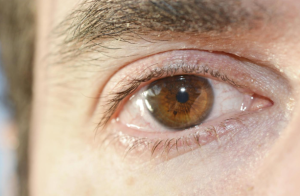
You don’t need a degree in anatomy or a spa background to do this right. But you do want to approach it carefully. Clean hands are non-negotiable. Take off your glasses. Don’t rush. And don’t press hard.
Here’s a basic routine to try once or twice a day:
You’ll get the hang of it quickly. Some people enjoy adding a drop of eye-safe oil or serum for smoother movement, but it’s not required.
For those who like gadgets, automated eye massagers are another option. These are typically worn like a soft headset or mask. They use vibration, heat, and air pressure to simulate manual massage movements. Some even include calming soundtracks.
They’re especially useful for people who prefer hands-off treatments or want consistency in pressure. Still, it’s a good idea to talk with your optometrist if you’re dealing with chronic eye issues, just to confirm it’s a safe choice.
The beauty of eye massage is how little time it takes. No special space. No equipment. Just a quiet moment.
Some of the best times to do it include:
Treat it like brushing your teeth. Short. Daily. Worth it.
Eye care is often reactive. Glasses when vision fades. Drops when things get dry. Screens down only after headaches appear. But there’s value in proactive care. Things you do before a problem shows up.
Eye massage sits in that category. It supports comfort, function, and daily well-being. Pair it with other simple habits and the results compound:
It doesn’t have to be perfect. It just has to be consistent.
Health advice often gets tangled in trends, numbers, and extremes. But not everything needs to be complicated. Sometimes, the best care is the quiet kind—the kind you barely notice but feel the effects of long after.
Eye massage won’t replace prescription care. It won’t reverse aging or magically cure dry eye. But it will give your eyes something they rarely get: a moment of direct support. A few minutes of care they didn’t have to earn by hurting first.
And that alone makes it worth doing.