Physical Address
304 North Cardinal St.
Dorchester Center, MA 02124
Physical Address
304 North Cardinal St.
Dorchester Center, MA 02124

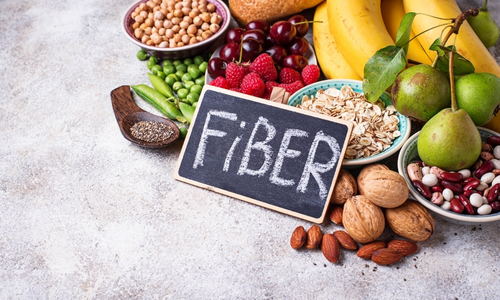
Have you ever wondered why some people have smooth digestion while others often feel bloated or uncomfortable? The answer may be linked to fiber. Many people hear about fiber in food, yet they do not fully know how it works inside the body.
Fiber plays a key part in gut health and digestion, but it is often ignored in daily meals. When you understand what fiber does, you can make better food choices each day. In this blog post, you will learn how fiber supports your gut and helps your body use nutrients well.
How Fiber Supports A Healthy Gut
Understanding the role of fiber in gut health and digestion begins with knowing what fiber is. Fiber is a type of carbohydrate found in plant foods. Unlike other carbs, fiber does not break down into sugar.
Fiber helps keep food moving at a steady pace through the digestive system. When food moves well, waste leaves the body more easily. This helps prevent discomfort and keeps the gut clean.
A healthy gut also supports good bacteria that live in your intestines. These tiny bacteria help break down food and protect your body from harm. They feed on certain types of fiber and produce substances that support gut lining health.
Soluble Fiber And Its Gentle Benefits
There are two main types of fiber, and one of them is soluble fiber. Soluble fiber dissolves in water and forms a soft gel inside the gut. This gel slows down digestion in a helpful way.
Because it slows digestion, soluble fiber can help keep blood sugar levels steady. It also helps lower bad cholesterol by trapping some fats before they enter the blood. Foods such as oats, beans, apples, and carrots contain soluble fiber.
Soluble fiber also feeds good gut bacteria, when these bacteria break down the fiber, they create helpful compounds. These compounds support the gut lining and help the body absorb nutrients more efficiently. This is why soluble fiber plays an important role in gut health.
Insoluble Fiber And Smooth Digestion
The second type is insoluble fiber. Unlike soluble fiber, it does not dissolve in water. Instead, it adds bulk to stool and helps food pass more quickly through the digestive tract. This can reduce the chance of feeling backed up or uncomfortable.
Insoluble fiber is found in whole grains, nuts, seeds, and many vegetables, it acts like a broom that sweeps through the intestines. By adding bulk, it supports regular bowel movements. This makes it helpful for people looking for constipation solutions and care tips.
When both soluble and insoluble fiber are part of your meals, digestion becomes smoother. The gut works at a healthy pace, and waste leaves the body with less strain. Together, these two types of fiber create balance inside the digestive system.
Build Better Gut Health Starting Today
Now that you understand the role of fiber in gut health and digestion, you can see why it matters. Fiber helps move food through your body, supports helpful bacteria, and improves nutrient absorption. Soluble fiber slows digestion in a good way, while insoluble fiber keeps things moving smoothly.
Both types work together to protect your gut and improve daily comfort. Adding more fruits, vegetables, beans, and whole grains to your meals is a simple step. Small changes can lead to better digestion over time.
Your gut works hard every day, and fiber gives it the support it needs. Did this guide help you? Browse the rest of this section for more advice on a variety of topics.