Physical Address
304 North Cardinal St.
Dorchester Center, MA 02124
Physical Address
304 North Cardinal St.
Dorchester Center, MA 02124

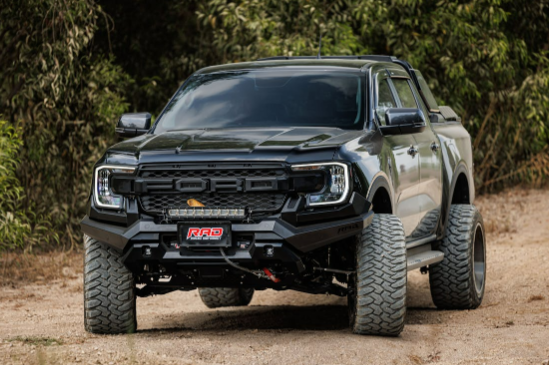
Off-road driving presents plenty of opportunities for exploration. Are you the type who spend most of your time on bitumen? Perhaps you like chasing long-distance touring routes or you’re one of those who live for weekends on rocky tracks? In any case, tailoring your vehicle to its usage is crucial, and the right suspension matters.
So, how do you find the right suspension kit for the terrain you frequently tackle and your driving style? Keep our tips in mind as you search the market for quality suspension kits, ensuring your vehicle feels like it’s built just for you.
At its core, a suspension kit manages spring rates (how much weight your springs can handle), damping (the control your shocks have over movement), articulation (how far your wheels can travel up and down), and ride height (clearance for obstacles). Together, these factors decide whether your 4×4 floats over corrugations, squats under load, or flexes across boulders.
A lot of people drive their 4×4 to work all week, only to take it bush on the weekend. If that’s you, your suspension kit needs to strike a balance. Look for a setup that cushions potholes and speed humps yet still gives decent articulation and clearance for gravel, light trails, or beach runs. Medium spring rates and shocks tuned for mixed conditions usually fit the bill here.
If long-distance touring is your bread and butter, your suspension kit has to manage weight. Rooftop tents, long-range tanks, drawer systems, fridges, and recovery gear all add up. Go too light, and your 4×4 will sag in the rear, affecting steering and braking.
Touring setups favour higher spring rates to handle loads, along with shocks tuned for heat dissipation so they won’t fade after hours of corrugations. A well-chosen suspension kit in this category reduces fatigue not only for your vehicle but also for you behind the wheel.
If your weekends are spent climbing ruts, crawling over boulders, and hunting out technical tracks, your suspension priorities change. You want each wheel to travel independently so you can maintain traction.
Clearance also becomes vital, so lift kits combined with progressive-rate springs are common. Shocks need to be tough, built for heat dissipation and durability. Nothing’s harder on them than constant flex and rebound in rough terrain.
Rock crawling demands suspension articulation. You want each wheel to droop or compress independently without unsettling the body. Heavy-duty shocks paired with flexible coil or leaf springs work best, as they absorb impacts while letting tyres cling to uneven surfaces.
Soft terrain calls for a softer approach. Suspension kits with slightly reduced spring rates help your tyres maintain contact without digging in. Good damping control is crucial—too firm and you’ll skip over the surface, and too soft and you’ll feel like you’re floating. A well-tuned suspension kit here helps keep momentum steady without chewing through fuel.
When it’s wet, clearance is king. Mud wants to bog you down, so a lift from your suspension kit helps keep your underbody out of the muck. The right shocks also resist clogging from grit and debris, maintaining control when traction drops.
Carrying a trailer or load of gear at highway speeds changes your vehicle dynamics entirely. Firmer springs prevent the dreaded sag and sway, while shocks designed for load transfer improve braking stability and cornering. Physics works against you, as the extra weight shifts forward under braking. A proper suspension kit keeps your rig predictable and safe.
Several variables shape which suspension kit is right for you. The three most important are:
The real work begins once your suspension kit is fitted. Wheel alignment is particularly critical. New geometry means tyres won’t wear evenly unless it’s corrected. You must also adjust tyre pressures to suit your suspension. Remember that what works for stock suspension often changes with upgraded kits.
Bushings and shocks wear over time, so a quick visual check every few months saves headaches later. Suspension isn’t static, as springs settle, shocks soften, and loads change. A simple tweak, like adjusting tyre pressure for highway vs. sand driving, can transform your ride. When things get more complex, don’t be shy about having a professional check your setup.
At the end of the day, suspension is about providing confidence. Choose wisely, and every journey—from the daily commute to the backcountry—becomes that much more rewarding.