Physical Address
304 North Cardinal St.
Dorchester Center, MA 02124
Physical Address
304 North Cardinal St.
Dorchester Center, MA 02124

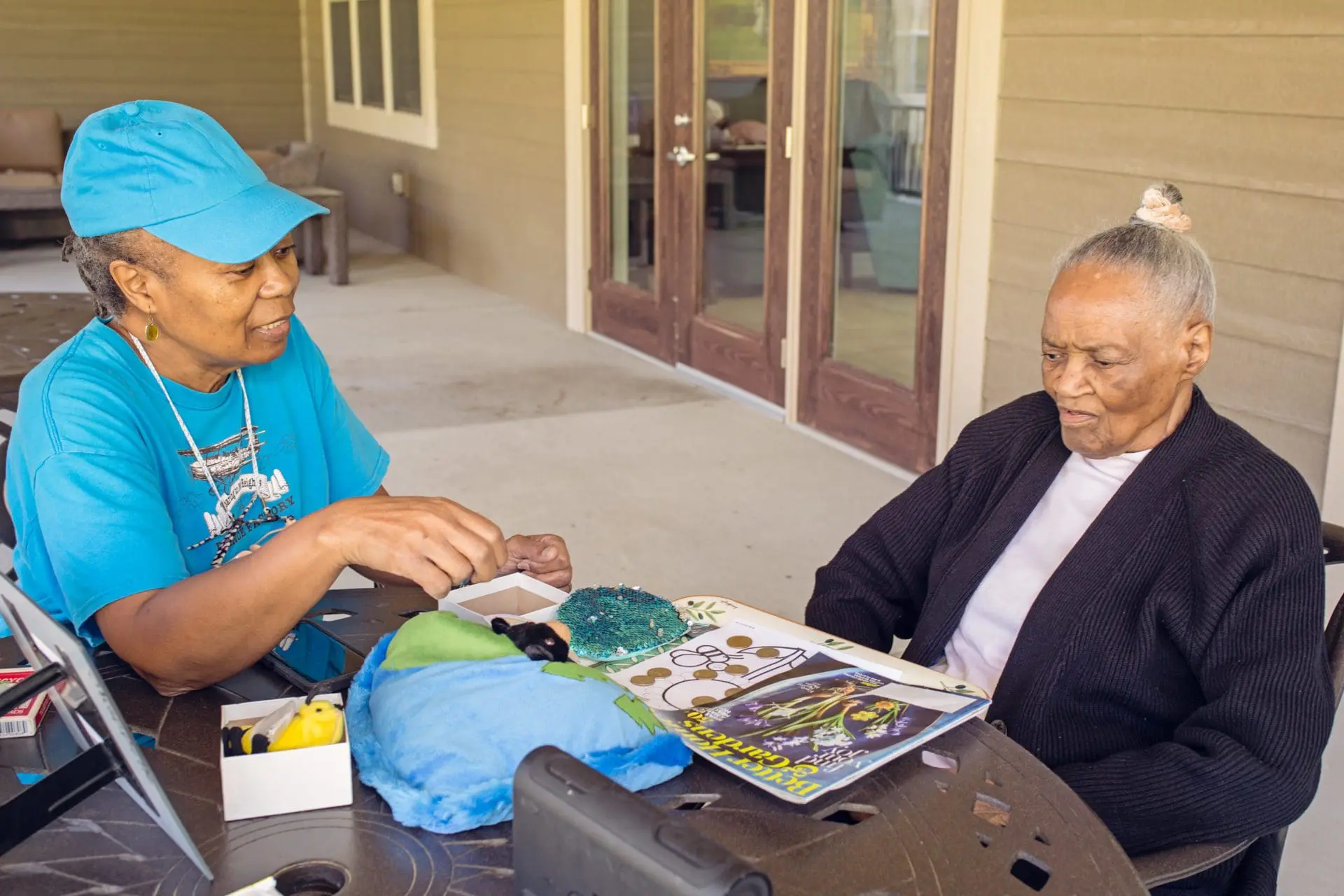
When caring for someone with dementia, meaningful social interaction makes a real difference. Memory care communities recognize this and create environments where residents connect with others while receiving specialized care.
People with dementia often struggle to maintain relationships as their condition progresses. Yet these connections remain vital – they stimulate the brain, support emotional health, and add purpose to daily life.
Research shows that social engagement may help preserve cognitive function and slow disease progression.
A study in the Journal of Aging Research found that dementia patients with active social lives showed less rapid decline in memory and thinking skills than those who were socially isolated.
Memory care communities offer something that home care alone sometimes can’t: regular opportunities to interact with peers in a supportive setting designed for their specific needs.
Memory care programs include group activities designed for various cognitive abilities. These might include morning coffee gatherings, arts and crafts, or reminiscence sessions that tap into long-term memories.
Many communities develop programming around residents’ life histories and interests. A former gardener might participate in plant-based activities, while someone who loved music might join sing-alongs. This personalized approach increases engagement and creates natural conversation starters.
Caregivers in these communities know how to facilitate meaningful interactions. They make eye contact, speak, use simple sentences, and give residents time to process information. They’re also trained to read non-verbal cues – often the primary way residents communicate as verbal skills decline.
These professionals serve as “social bridges,” introducing residents with similar backgrounds or interests. They provide emotional support, helping anxious residents feel secure enough to join activities while managing behaviors that might disrupt social situations.
Memory care spaces are designed with interaction in mind. Open gathering areas, comfortable seating groups, and secure outdoor spaces make it easy for residents to connect, while quiet areas provide options for those needing less stimulation.
Dining rooms often feature smaller tables that facilitate conversation rather than large, institutional arrangements. Environmental design also considers sensory needs – good lighting, reduced background noise, and comfortable seating arranged in small groups rather than along walls.
Each social interaction serves as a gentle workout for the mind. Conversations exercise critical mental skills like attention, language processing, and memory recall. Even simple interactions stimulate multiple brain regions, potentially helping maintain function longer.
Regular interaction fights loneliness and builds a sense of community. Depression affects up to 40% of people with dementia, and social engagement helps reduce this risk by providing emotional support and meaningful connections.
The joy shared during group activities releases endorphins that improve mood and reduce stress hormones. Even residents with advanced dementia respond to the emotional qualities of social interaction, often showing improved mood for hours afterward.
Residents who connect with others often report better sleep and show improved appetite, particularly when dining with companions rather than alone. Social engagement frequently leads to increased physical activity as people move between activities or participate in movement-based programs.
Family members remain crucial to social well-being. Visits, calls, and joining community events strengthen important bonds. Many communities welcome families to participate in activities, creating moments that matter for everyone involved.
Some memory care communities offer education programs that help family members learn new ways to connect despite cognitive changes. Intergenerational visits can be especially valuable, with many residents showing increased engagement and joy when interacting with children.
New technologies are opening additional ways for people with dementia to connect. Virtual reality programs let residents share immersive experiences. Tablet-based games adapted for various abilities create opportunities for shared enjoyment.
Video calling helps residents maintain relationships with distant family members, bridging physical separation that might otherwise limit interaction. Staff members often help manage these technologies, ensuring successful connections.
Story-sharing sessions tap into long-term memories, often remaining intact even when short-term memory fails. Themed discussions about childhood homes, first jobs, or historical events residents lived through can spark lively conversation.
Reminiscence therapy using vintage objects, old photographs, or classical music helps residents connect over shared generational experiences. These sessions often reveal surprising details about residents’ lives, creating new appreciation among peers.
Art and music activities allow self-expression without pressure. Music therapy is particularly effective, as musical memory often remains intact despite cognitive decline. Group singing, rhythm activities, or listening to favorite songs create powerful shared experiences.
Dance and movement programs adapted for various physical abilities offer non-verbal ways to connect. Even residents in wheelchairs can participate in upper-body movements or enjoy watching others dance.
Programs connecting residents with children from local schools bring energy and joy. Pet therapy visits provide emotional connection without communication pressure. Community service projects adapted for cognitive abilities give residents purposeful ways to work together.
Progressive memory care communities recognize that one-size-fits-all programming doesn’t work. They assess each resident’s social preferences, considering whether they were introverted or extroverted before dementia, what gatherings they enjoyed, and how they responded to different group sizes.
Communities also respect residents’ right to decline participation. Forcing social interaction can increase anxiety and agitation. Skilled staff members recognize when someone needs solitude and when gentle encouragement might help overcome hesitation.
Strong social connections form the heart of effective memory care. By prioritizing meaningful interaction, these communities help people with dementia experience joy, purpose, and belonging despite cognitive challenges.
Beyond medical care and physical safety, quality of life depends largely on human connection. Residents may forget specific interactions, but the positive emotional impact remains. Many demonstrate improved mood and behavior even when they can’t recall exactly why they feel better.
For families considering memory care, knowing their loved one will experience professional support and genuine human connection brings significant peace of mind. Seeing a parent laughing with a new friend or engaged in a favorite activity offers reassurance that life continues to have meaning and joy even as dementia progresses.
Memory care communities that excel at fostering social connection don’t just manage dementia – they help residents live with dignity, purpose, and the fundamental human connection we all need to thrive.