Physical Address
304 North Cardinal St.
Dorchester Center, MA 02124
Physical Address
304 North Cardinal St.
Dorchester Center, MA 02124

Your home should be a safe haven, a place of comfort and security. But when natural disasters strike, a home’s ability to protect is put to the ultimate test. Preparing your property to withstand events like hurricanes, earthquakes, and severe storms is a critical step in safeguarding your family and your investment. By taking proactive measures, you can significantly enhance your home’s resilience and ensure it remains standing strong when it matters most.
This guide provides essential tips for disaster-proofing your home, focusing on structural integrity, weatherproofing, and emergency preparedness.
A home’s ability to resist the powerful forces of nature depends on its structural soundness. From the foundation to the roof, every component must work together to maintain stability during a disaster.
The connection between your house and its foundation is a potential weak point. In areas prone to seismic activity, bolting the house to its foundation can prevent it from sliding off during an earthquake. This process involves adding anchor bolts to secure the wooden frame to the concrete base. For homes with a raised foundation, reinforcing crawl space walls, known as cripple walls, can provide additional stability.
High winds exert immense pressure on a home’s exterior. To counter this, it’s important to have a continuous load path that securely connects the roof to the walls and the walls to the foundation. Metal connectors, such as hurricane straps and clips, are essential for strengthening these joints. They help hold the structure together and distribute forces evenly, reducing the risk of catastrophic failure. Reinforcing garage doors, which are often large and susceptible to wind damage, is another crucial step.
The exterior of your home is its first line of defense against wind, rain, and debris. Sealing potential entry points is key to preventing water damage and maintaining structural integrity during a storm.
Windows and doors are among the most vulnerable parts of a house. During a high-wind event, shattered glass can allow wind and rain to enter, causing extensive damage and a dangerous increase in internal pressure. Consider installing impact-resistant windows or using storm shutters. Reinforce exterior doors with multiple hinges and a strong deadbolt lock. Ensure the door frame itself is securely anchored to the wall.
The roof bears the brunt of severe weather. Inspect it regularly for loose or damaged shingles and make repairs promptly. For a more robust defense, consider upgrading to impact-resistant roofing materials like metal or architectural shingles. Proper sealing is also vital. Using high-quality underlayment and ensuring all gaps are sealed can prevent water intrusion. For example, using foam closure strips for metal roofing helps to seal the gaps between the panels and the roof deck, keeping out wind-driven rain and pests.
Beyond structural improvements, personal preparedness is a cornerstone of home safety. Having a clear plan in place can make a significant difference in the minutes and hours following a disaster.
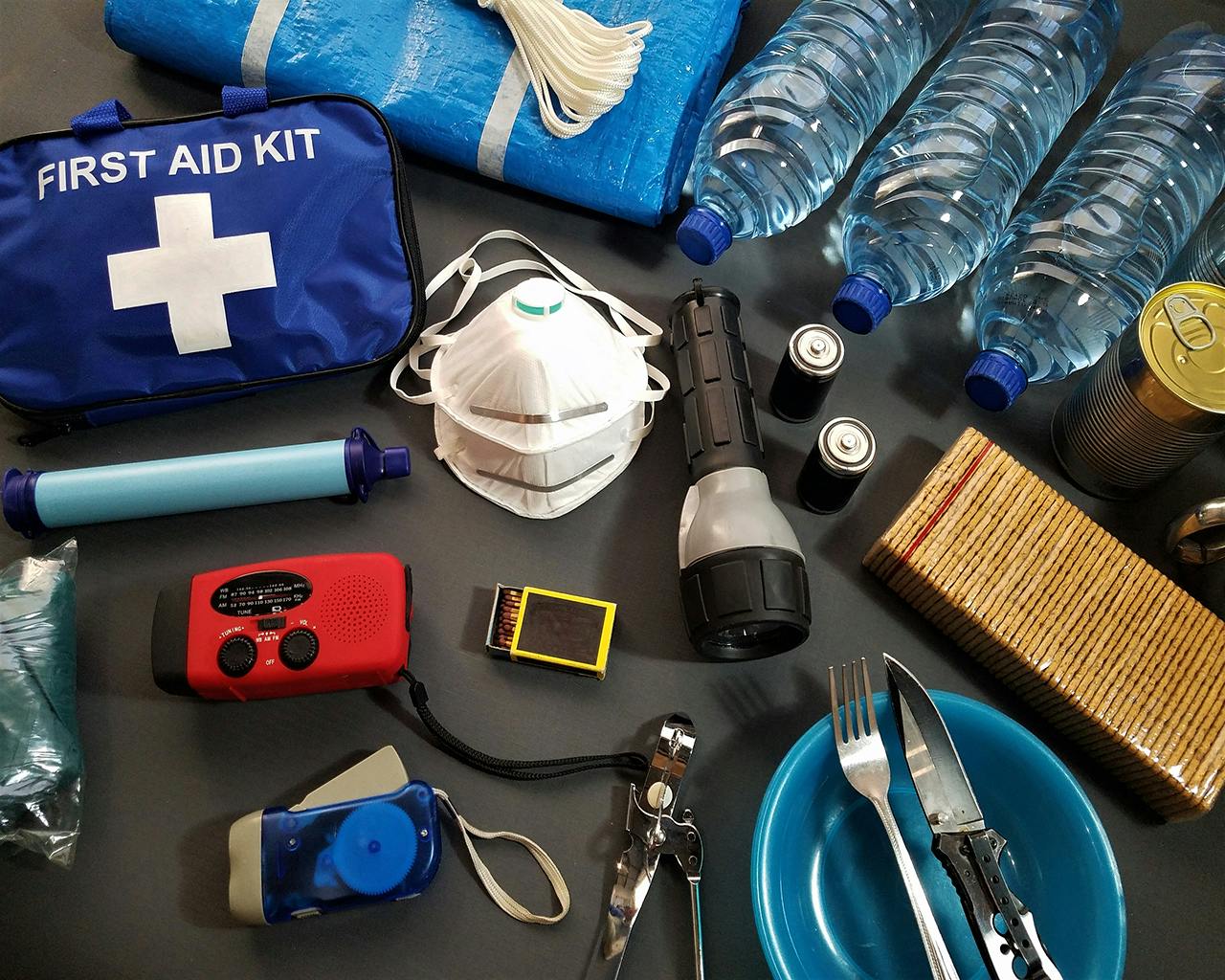
Every household should have a well-stocked emergency kit. This kit should include enough non-perishable food, water, and medication to last each person for at least 72 hours. Other essential items include a first-aid kit, flashlights, extra batteries, a hand-crank radio, and copies of important documents. Store the kit in an easily accessible location.
Determine how your family will communicate if separated during an emergency. Choose an out-of-state contact person for everyone to check in with. Plan and practice multiple evacuation routes from your home and your neighborhood. Knowing where to go and how to get there can save precious time in a crisis.
Taking these steps to disaster-proof your home provides invaluable peace of mind. By reinforcing your home’s structure, weatherproofing its exterior, and establishing a solid emergency plan, you are investing in the safety and security of what matters most.