Physical Address
304 North Cardinal St.
Dorchester Center, MA 02124
Physical Address
304 North Cardinal St.
Dorchester Center, MA 02124

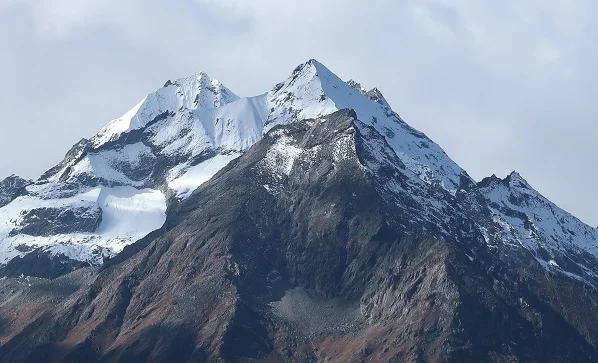
Most people planning a Nepal trek head straight to Everest or Annapurna. But here’s what they’re missing: the Langtang Valley Trek sits just 31 kilometers north of Kathmandu — making it the closest Himalayan trekking region to Nepal’s capital, according to the Langtang National Park official records. Yet despite that proximity, fewer than 20,000 trekkers visit each year compared to the 150,000+ who flood Annapurna. That gap is a mystery to anyone who’s actually done it. Here are 10 facts about this trek that will make you seriously reconsider your Nepal plans.
Before the facts, a quick orientation.
Langtang Valley Trek is a 7 to 10-day trekking route through Langtang National Park in the Bagmati Province of north-central Nepal. The trail follows the Langtang River through dense forests, yak pastures, and Tamang and Tibetan Buddhist villages, climbing to the high viewpoint of Kyanjin Ri at 4,773 meters.
It’s not as long or as high as the Everest Base Camp trek. But what it offers in cultural depth, wildlife, and raw Himalayan scenery is genuinely hard to match. It’s the kind of trek that surprises people — even seasoned trekkers.
Now, here are the facts that make it unique.
Most people don’t realize how close Langtang really is.
The Langtang Valley sits just a 7–8 hour bus ride or a short 20-minute flight from Kathmandu. Compare that to the Everest region, which requires a 45-minute flight to Lukla followed by days of trekking before you even hit altitude. Langtang lets you go from a Kathmandu hotel to a Himalayan teahouse in a single day.
This makes it the ideal option for trekkers with limited time — or anyone who wants to maximize mountain experience without a complicated approach journey.
This is a fact that carries real weight.
On April 25, 2015, a 7.8-magnitude earthquake triggered a massive ice and rock avalanche that buried Langtang village under an estimated 30 meters of debris. Around 350 people — villagers and trekkers combined — lost their lives that day, according to government records and international rescue teams.
The village was rebuilt. Teahouses reopened. Local families returned. Trekking here today isn’t just an adventure — it’s an act of support for a community that refused to disappear. Every permit fee, every teahouse night, every meal paid for goes directly into rebuilding that economy.
Here’s a piece of history most trekkers walk through without knowing it.
Langtang National Park was established in 1976 — making it the first national park in Nepal and one of the first in the entire Himalayan region. It covers 1,710 square kilometers and protects a stunning range of ecosystems, from subtropical forests at lower elevations to glacial terrain above 4,000 meters.
It was also designated as a Ramsar Wetland of International Importance, recognizing the ecological value of its high-altitude lakes and river systems.
Langtang isn’t just rock and snow. It’s one of the most biologically rich areas in all of Nepal.
The park is home to:
The red panda alone is worth the trip for wildlife enthusiasts. Spotting one in the rhododendron forests below Kyanjin Gompa is an experience trekkers talk about for years.
Culture is as much a part of this trek as the mountains.
Most residents of the Langtang Valley belong to the Tamang community — an ethnic group with Tibetan Buddhist roots whose culture, architecture, language, and way of life have changed remarkably little over centuries. You’ll walk past chortens (Buddhist shrines), mani walls (stone walls carved with prayers), and prayer flags that stretch between peaks.
The villages of Lama Hotel, Langtang, and Kyanjin Gompa each feel like stepping into a different century. Unlike the more commercialized trails of Everest and Annapurna, Langtang still has a raw, unscripted authenticity that’s increasingly rare on Himalayan trails.
Kyanjin Gompa Is an Ancient Buddhist Monastery at 3,870 Meters
At the heart of the upper valley sits Kyanjin Gompa — a functioning Buddhist monastery at 3,870 meters that has served as a spiritual center for local communities for hundreds of years.
Monks still live and practice there. You can visit during morning and evening prayers. The monastery is surrounded by a yak cheese factory (yes, really — the yak cheese at Kyanjin is famous among trekkers), glacier views, and the trail to Kyanjin Ri — one of the finest panoramic viewpoints in all of Nepal.
Here’s a practical fact that matters for trip planning.
Langtang offers incredible views of Langtang Lirung (7,227m), Ganesh Himal, Dorje Lakpa, and Tserko Ri — without requiring you to trek for 12+ days or push above 5,000 meters.
For the effort and time invested, Langtang delivers an exceptional return in mountain scenery. It’s like getting a five-star meal at a neighborhood restaurant price.
Most trekkers treat Langtang as a standalone route. But it’s part of a much larger trekking network.
Gosaikunda : a sacred high-altitude lake at 4,380 meters is accessible via a high-altitude pass from the Langtang Valley. From Gosaikunda, you can continue into the Helambu region, creating a 15 to 18-day circuit that covers three distinct trekking areas in one trip.
This combination route is still relatively uncrowded and gives adventurous trekkers an extended wilderness experience that rivals anything in Nepal. Very few travel blogs cover it in detail, which means you’ll have stretches of trail nearly to yourself.
Like most Himalayan treks, Langtang has two main seasons:
But here’s the fact most trekking guides skip: winter trekking (December–February) in Langtang is surprisingly rewarding for experienced trekkers. The trails are empty. The snow-covered landscapes are stunning. And the cold, while real, is manageable with the right gear.
The one caveat: the Laurebina Pass (required for Gosaikunda extension) can be closed by heavy snowfall in deep winter. Always check conditions before planning a winter departure.
After the 2015 earthquake, rebuilding Langtang wasn’t just about infrastructure — it was about rethinking how tourism should work.
The Langtang region became a model for community-based tourism in Nepal, with teahouses rebuilt and owned by local families, trekking fees partially directed to village development, and guide employment prioritized for local Tamang and Sherpa residents.
When you trek Langtang today, a meaningful portion of your spending goes directly to the families who rebuilt this valley. That’s not marketing language — it’s how the post-earthquake recovery was designed.
Langtang Valley Trek: Quick Facts Overview
| Detail | Information |
| Trek Duration | 7–10 days (standard route) |
| Maximum Elevation | 4,773m (Kyanjin Ri) |
| Difficulty Level | Moderate |
| Best Seasons | Spring (Mar–May) & Autumn (Sep–Nov) |
| Starting Point | Syabrubesi (via bus from Kathmandu) |
| Permits Required | TIMS Card + Langtang National Park Entry |
| National Park Entry Fee | USD $35 (approx.) |
| Distance from Kathmandu | ~117 km / 7–8 hours by road |
| Wildlife Highlights | Red panda, snow leopard, Himalayan black bear |
| Key Highlights | Kyanjin Gompa, Tserko Ri, Langtang Lirung views |
Langtang is an excellent fit if:
It’s a moderate trek — suitable for anyone with reasonable fitness who commits to basic preparation. You don’t need technical skills, prior trekking experience, or specialist equipment.
✅ Langtang is the closest Himalayan trek to Kathmandu — just 7–8 hours by road, making it ideal for time-limited trekkers.
✅ Langtang National Park was Nepal’s first national park, established in 1976, covering 1,710 sq km of protected Himalayan ecosystem.
✅ The 2015 earthquake devastated Langtang village but the community rebuilt — trekking here directly supports local recovery and livelihoods.
✅ Wildlife is extraordinary: red pandas, snow leopards, over 250 bird species, and 1,000+ flowering plants.
✅ Kyanjin Gompa and Kyanjin Ri are genuine highlights — ancient monastery, glacier views, and a 4,773m panoramic summit.
✅ The trek can be extended to Gosaikunda and Helambu for a 15–18 day circuit that remains largely uncrowded.
✅ Nepal Hiking Team offers fully guided Langtang Valley Trek packages with licensed local guides, all permits sorted, and expert support — giving you everything you need to experience this extraordinary valley at its best.
The Langtang Valley Trek doesn’t shout for attention the way Everest does. It doesn’t have the global name recognition of Annapurna. What it has is something quieter and, for many trekkers, more rewarding: a genuine connection to Himalayan culture, a community that rebuilt itself from tragedy, wildlife that will stop you in your tracks, and mountain views that are every bit as breathtaking as the famous routes.
Nepal Hiking Team knows this valley inside out. Their guides are local, their knowledge is deep and their commitment to responsible, community-supporting tourism is built into every trip they run. Whether it’s your first trek or your tenth, they’ll make sure the Langtang Valley gives you everything it has.