Physical Address
304 North Cardinal St.
Dorchester Center, MA 02124
Physical Address
304 North Cardinal St.
Dorchester Center, MA 02124

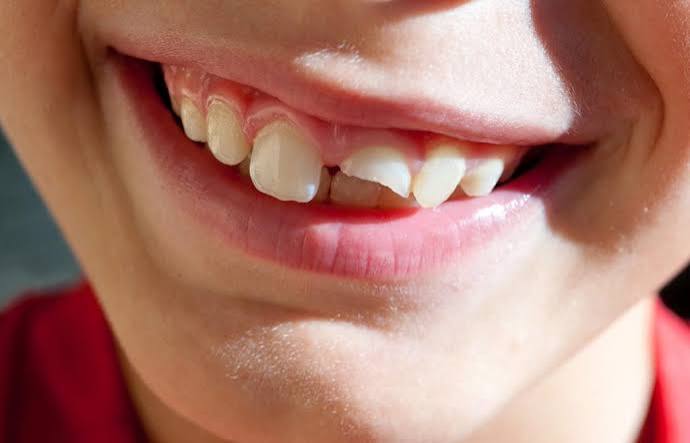
A cracked or broken tooth can happen in seconds. You might trip on the sidewalk, bite down on ice, or have a hidden cavity that weakens your tooth. No matter the cause, tooth damage can lead to pain and make eating difficult.
The good news is that modern dental care offers many ways to repair damaged teeth. Whether you have a small chip or a deep break, a dentist can help restore your smile. Early treatment can also protect your tooth from further damage and help prevent infection.
Continue reading to discover everything you need to know!
What to Do Right After Tooth Damage
Quick action can help protect your damaged tooth. Start by rinsing your mouth with warm water to remove food and other debris. If your cheek begins to swell, place an ice pack against it.
Wrap the pack in a clean cloth and apply it for short periods. A deep crack may expose the inner part of your tooth. This area contains nerves and blood vessels, so damage can cause sharp pain and raise the risk of infection.
Keep the area clean and avoid chewing with the injured tooth. Contact an emergency dentist as soon as possible, especially if you have severe pain, swelling, or bleeding.
If a piece of your tooth breaks off, try to save it. Place the fragment in a clean container with cold milk or your own saliva. Bring it with you to the dental office.
Your dentist will check whether the piece can be used in the repair. Getting help early may also reduce the need for more complex dental implant treatment.
Replacing a Tooth When the Root Is Lost
Some breaks are so severe that the dentist cannot save the natural tooth. In these cases, a dental implant may offer a lasting solution. An implant uses a small titanium post that sits in the jawbone.
A custom crown is then attached to the post to create the look and feel of a natural tooth. Over time, the jawbone grows around the implant and holds it in place.
This process often takes three to six months, though healing times vary. Once the implant is ready, it can support normal chewing and help restore your bite.
Repairing Major Damage With a Dental Crown
A large crack or break may weaken a tooth even when its root remains healthy. In these cases, a dental crown can help protect what is left. A crown is a cap that covers the visible part of the tooth.
It helps hold the damaged structure together and spreads pressure during chewing. Crowns can be made from materials such as zirconia or ceramic. Your dentist will choose a material based on the tooth’s location, the size of the break, and your bite.
First, the dentist removes decay and shapes the tooth to make room for the crown. A scan or impression is then used to create a crown that fits your mouth.
Repair Broken Teeth and Restore Your Smile with Expert Dental Care
A broken tooth can affect more than just your appearance-it can also cause discomfort, sensitivity, and difficulty chewing. Fortunately, modern dentistry offers several effective treatments to repair damaged teeth and restore your smile. From dental bonding and crowns to veneers and root canal treatment, the right solution depends on the severity of the damage and your overall oral health.
Make sure to check out the rest of our articles today!