Physical Address
304 North Cardinal St.
Dorchester Center, MA 02124
Physical Address
304 North Cardinal St.
Dorchester Center, MA 02124

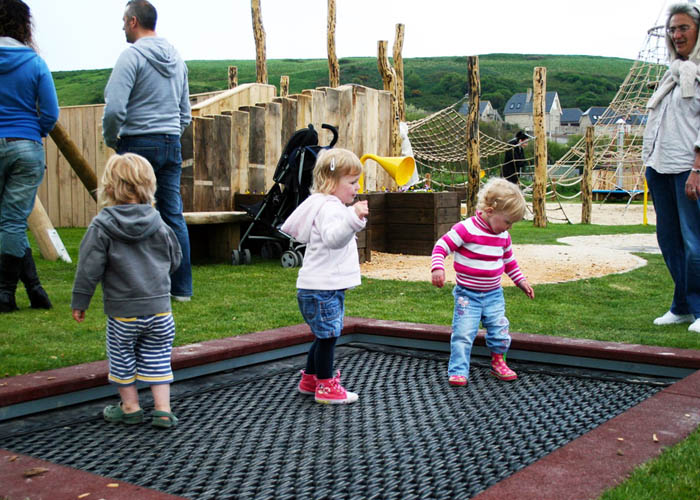
Playgrounds are vital arenas where childhood development unfolds—spaces where children refine motor skills, spark imaginative play, and forge lasting social bonds. However, behind the laughter and games, creating a truly beneficial play space requires an uncompromising foundation of safety. Every year, thousands of children require medical attention for playground-related injuries, with the majority caused by falls, equipment defects, or improper surfacing.
Designing safer play spaces is a careful balancing act between encouraging healthy exploration and implementing rigorous risk management. Whether managing a schoolyard, a municipal park, or a backyard setup, following smart planning guidelines can significantly reduce accidents and ensure children play freely and securely.
Safety begins on paper long before equipment is installed. Strategic layout planning serves as the first line of defense against preventable accidents. Effective design divides the play site into distinct zones based on activity levels and age groups.
High-energy features like swings, slides, and climbing towers should be positioned far from quieter activity spaces like sandboxes, sensory panels, or reading nooks. This spatial separation prevents fast-moving children from colliding with those engaged in calmer play.
Parents, teachers, and supervisors need unobstructed views across the entire space to monitor play effectively and respond quickly to potential issues. Solid visual barriers should be eliminated in favor of open layouts or high-visibility, climb-resistant fencing.
Children between 2 to 5 years old have vastly different physical and cognitive capabilities compared to children aged 5 to 12. Equipment designed for older children can pose severe fall hazards for toddlers. Dedicated zones featuring low-to-the-ground platforms and short slides support early motor skills for toddlers, while older kids can safely enjoy taller climbing walls, monkey bars, and rope bridges.
Maintaining generous clearance arcs around swings and wide landing fields at slide exits ensures active children have ample space to decelerate without risk of impact.
Because falls account for the vast majority of playground injuries, ground cover is arguably the most critical physical safety choice. Hard surfaces such as concrete, asphalt, or compacted dirt offer zero cushioning and are fundamentally dangerous beneath play equipment.
To absorb impact forces and cushion tumbles, play areas must utilize tested shock-absorbing surfacing materials. Popular options include poured-in-place rubber, rubber tiles, engineered wood fiber, and high-quality organic mulches.
Loose-fill materials require maintaining a consistent compressed depth of at least 9 to 12 inches to remain effective under high-impact structures like swings and slide bases. For smaller community projects or residential play yards, utilizing quality materials like bagged mulch in Sandy provides an easy-to-apply, protective ground covering that buffers falls while enhancing visual appeal. Regular raking and replenishment are necessary to prevent compaction and maintain proper shock absorption depth over time.
Playground equipment must be intentionally engineered and selected to eliminate subtle mechanical hazards that could injure young users:
While physical design is fundamental, human vigilance and ongoing care remain essential safeguards.
Supervisors should stay close, remain attentive, and avoid distractions like mobile devices. Attentive oversight prevents risky behavior, such as climbing up slide beds, walking near moving swings, or rough play.
Posting clear, easy-to-read rules helps children understand safe play boundaries. Guidelines such as taking turns, sliding feet first, keeping clear of swing paths, and avoiding pushing foster responsible habits.
Playgrounds naturally degrade over time due to weather and heavy use. Daily walkthroughs should check for litter, broken glass, or wet equipment. Monthly safety audits should inspect hardware for rust, tighten loose bolts, check swing chain links for wear, and repair damaged components immediately.
Building a safer play environment is not a one-time project, but an ongoing commitment to children’s physical and emotional well-being. By combining smart layout zoning, resilient impact-absorbing surfacing, developmental equipment design, active supervision, and routine maintenance, communities and caregivers can create secure havens where kids can freely explore, build confidence, and experience pure joy.