Physical Address
304 North Cardinal St.
Dorchester Center, MA 02124
Physical Address
304 North Cardinal St.
Dorchester Center, MA 02124

An outdoor champagne bar is often the visual highlight of a celebration: sunlit garden weddings, vineyard bridal showers, or anniversary brunches. Chilled bottles of sparkling wine rest in polished ice tubs, flanked by crystal carafes of peach puree, fresh berries, and elderflower liqueurs.
Yet beneath open skies in late summer, that elegant setup can turn chaotic in minutes.
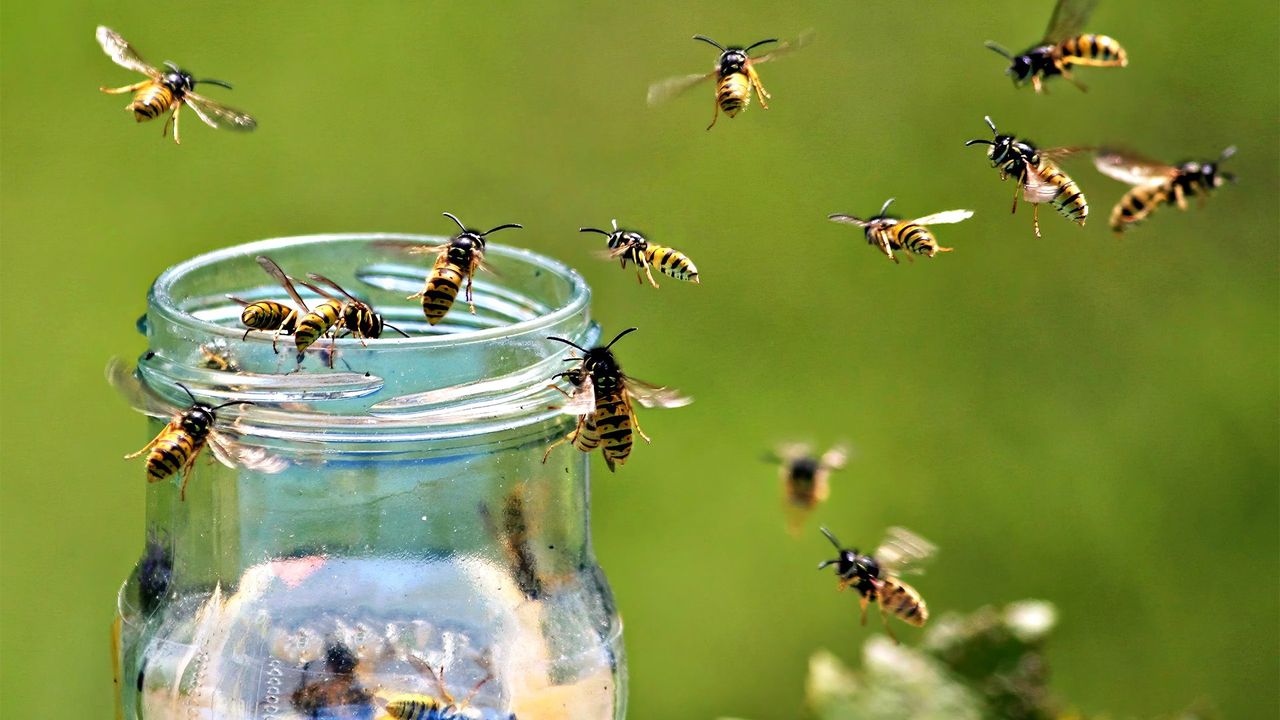
Drawn by sweet aromas of fermented sugars and bubbling juices, aggressive yellowjackets descend on the bar. Guests wave their hands, drinks are abandoned, and bartenders spend more time swatting insects than pouring bubbly. Worse, a curious wasp crawling into a flute presents a serious sting hazard to a guest’s mouth or throat.
Keeping sugar-seeking wasps away from your beverage station does not require harsh chemical sprays. By understanding insect foraging biology, deploying smart physical barriers, and managing airflow, you can preserve your aesthetic and keep guests celebrating in safety.
Wasps swarm champagne and mimosa bars because late-season yellowjackets undergo a dietary shift from hunting insect protein to craving simple carbohydrates, making sweet sparkling wines and fruit purees irresistible attractants.
In spring and mid-summer, adult wasps hunt caterpillars and flies to feed growing larvae. By August and September, however, the colony’s queen ceases egg production. Without larvae demanding protein and secreting sugary saliva in return, adult worker wasps forage exclusively for their own energy needs.
This biological shift, known as yellowjacket sugar feeding behavior, coincides with the dying off of natural floral nectar. To a hungry wasp, a champagne bar is an oasis. Carbonated effervescence aerosolizes sweet compounds in wine and fruit purees, sending an airborne scent trail that pulls scavenging wasps from hundreds of yards away.
Protecting a champagne bar begins with replacing open-mouth carafes and exposed fruit bowls with sealable decanters, flap-spout pourers, and decorative glass cloches.
Leaving open bowls of raspberries, citrus slices, and carafes of mango puree on an outdoor table invites swarms. The moment wasps locate an accessible sugar source, scout insects return to their nest to recruit foraging nestmates:
Setting up low-noise oscillating fans directly behind or across the bar table creates directional wind shear that prevents lightweight wasps from hovering and landing.
Wasps are relatively weak flyers when forced to navigate artificial crosswinds exceeding eight miles per hour. While bees and wasps navigate outdoor breezes, they require calm air to hover, orient, and land on narrow glassware rims.
Position small electric or battery-operated fans at each end of the bar table, angling airflow across the pouring surface. The gentle breeze cools staff, disperses pooled fruit aromas, and establishes an invisible kinetic shield that redirects hovering insects away from pouring stations without disturbing napkins or decor.
Diverting aggressive wasps away from guest areas requires establishing attractive decoy feeding stations fifty to seventy-five feet away from the bar in quiet perimeter foliage.
A common outdoor hosting mistake is hanging bright yellow wasp traps directly beside the bar or dining tables. Traps rely on potent attractants; placing them near guests lures hundreds of wasps straight into your cocktail area before insects ever enter the trap.
Instead, build decoy wasp feeding stations along the venue perimeter:
Supplying guests with protective drink toppers, paper coasters, or covered acrylic flutes prevents wasps from landing inside narrow glasses where they can deliver dangerous stings to lips and tongues.
Because champagne bubbles release carbon dioxide and sweet aromas upward, wasps naturally dive into the narrow bowls of champagne flutes. When a wasp falls into bubbly wine, it struggles on the liquid surface, becoming nearly invisible under sparkling foam. A guest taking an unthinking sip can accidentally take the insect into their mouth.
Provide simple glass protections for your guests:
Keeping wasps away requires wiping sticky spills immediately with mild vinegar solutions and coordinating full-spectrum venue sanitation well ahead of event day.
A single sticky puddle of peach syrup on a tablecloth can anchor dozens of wasps for hours. Bartenders should keep spray bottles of diluted white vinegar or eucalyptus water and clean microfiber cloths on hand. Vinegar dissolves sugar residues instantly while masking sweet scent trails with an aroma wasps naturally avoid.
Comprehensive outdoor wedding bar pest control also depends on broad property maintenance. Outdoor venues, farm estates, and wineries frequently encounter multiple seasonal pest pressures. In addition to treating subterranean yellowjacket nests, properties must eliminate outdoor garbage odor and rodent harborage around catering sheds. Estate managers often work with regional specialists for comprehensive pest management—including preventative rodent control in Kent and agricultural grounds maintenance—to ensure venue borders, trash bays, and outbuildings remain sanitary before upscale outdoor events.
Hosting an elegant outdoor champagne bar does not mean resigning your guests to swarming wasps or frantic swatting. By recognizing that late-season yellowjackets are driven by an instinctual quest for sugars, you can outsmart their behavior through calculated preparation.
Enclosing fruit mixers, creating continuous airflow across bar tops, establishing perimeter decoy stations, and keeping bar surfaces immaculately clean ensures your sparkling wine flows uninterrupted. With simple preventative measures in place, you protect both the safety of your guests and the refined ambiance of your outdoor celebration.