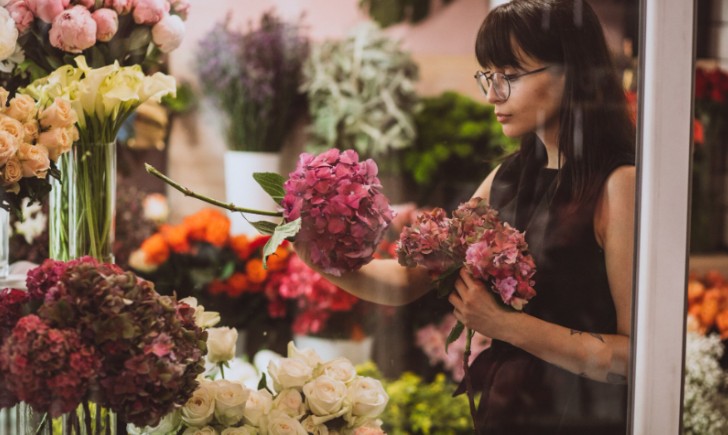
Floristry as an Art: Bringing Beauty and Meaning to Everyday Life
Flowers have a special way of making ordinary moments feel memorable. They can brighten a room, express affection, offer comfort and add colour to important celebrations. Behind every well-arranged bouquet is a combination of creativity, knowledge and careful attention to detail. A florist in Singapore does more than sell flowers. Florists help customers communicate feelings, celebrate milestones and create attractive spaces through thoughtful floral designs.
From simple hand-tied bouquets to elaborate event decorations, floristry offers many ways to bring natural beauty into everyday life. As customer preferences change, florists continue to explore new styles, materials and services while maintaining the care and skill that make their work special.
The Growing Appeal of Floral Arrangements
Flowers remain a popular choice for personal gifts and special occasions. Their colours, shapes and natural fragrance can create a welcoming atmosphere and add a meaningful touch to different settings. A bouquet may be given to celebrate a birthday, congratulate someone on an achievement or show appreciation to a loved one.
Customers now have access to a wide range of floral styles. Some prefer traditional arrangements with familiar flowers and balanced shapes, while others choose modern designs with unusual colour combinations and creative layouts. This variety allows people to select arrangements that match their preferences and the purpose of their purchase.
Online ordering has also made buying flowers more convenient. Customers can browse designs, compare prices and arrange delivery without visiting a physical shop. Florists can use their websites and social media pages to display their work, communicate with customers and receive customised requests.
Combining Classic and Contemporary Floral Designs
Traditional floral arrangements often focus on balance, symmetry and carefully selected flower combinations. These designs remain suitable for formal occasions, family celebrations and thoughtful gifts. Roses, lilies, orchids and other familiar blooms are frequently used because of their appearance and versatility.
Contemporary floristry offers a different approach. Modern arrangements may feature uneven shapes, open spaces, contrasting colours and flowers with different heights. Some designs also include dried flowers, decorative branches, grasses and other natural materials.
Combining classic techniques with modern ideas allows florists to create arrangements for different tastes. A customer who prefers a simple bouquet can choose a clean design with a limited colour palette, while someone looking for a more striking display may prefer a mixture of textures and larger blooms.
The most successful arrangements are not necessarily the largest or most expensive. They are the ones where each flower and decorative element has a clear purpose and works well with the overall design.
Choosing Flowers for Different Occasions
Selecting the right flowers requires consideration of the occasion, recipient and intended message. Different flowers have different appearances and associations, making some choices more suitable for particular events.
Roses are commonly associated with romance and affection. Sunflowers can bring a cheerful feel to a birthday bouquet, while lilies often create an elegant appearance. Orchids are suitable for gifts and decorative displays because of their distinctive shapes and lasting appeal when properly cared for.
Wedding flowers require additional planning. The arrangements should complement the colour scheme, clothing and venue. Bridal bouquets, table centrepieces and ceremony decorations need to work together so the entire setting feels consistent.
For corporate events, floral displays should suit the environment and purpose of the gathering. A reception area may benefit from a welcoming arrangement, while a conference table may need smaller designs that do not obstruct conversations or presentations.
Freshness and Proper Flower Care
Freshness is essential to the quality of a floral arrangement. Even a beautiful design can lose its appeal if the flowers are damaged, wilted or poorly maintained. Florists therefore need to handle blooms carefully from selection and preparation to packaging and delivery.
Different flowers have different care requirements. Some need more water, while others are sensitive to heat or direct sunlight. A florist’s knowledge helps ensure that suitable flowers are selected and arranged in a way that supports their condition.
Customers can also take simple steps to extend the life of their bouquets. Flowers should be placed in a clean vase filled with fresh water. Stems can be trimmed, and leaves below the waterline should be removed to help keep the water clean. Changing the water regularly and keeping the arrangement away from heat sources can also help.
Following the care instructions provided by the florist allows customers to enjoy their arrangements for longer.
Sustainable Choices in Floristry
Environmental responsibility is becoming an important consideration in many industries, including floristry. Flower production, packaging and delivery can all create waste, so businesses have opportunities to make more thoughtful choices.
Some florists use recyclable paper, reusable containers and reduced plastic wrapping. Others focus on careful stock management to avoid ordering more flowers than they can reasonably sell. Suitable leftover blooms may be used in smaller arrangements or creative displays rather than discarded.
Seasonal flowers can also provide an attractive option. Choosing blooms that are readily available may offer more variety and help reduce the need for certain specialised sourcing arrangements.
Customers can support responsible practices by asking about packaging options and choosing designs that use materials efficiently. Sustainable floristry can still be stylish, colourful and creative when each element is selected with care.
Personalised Bouquets and Customer Service
Personalised floral arrangements allow customers to give gifts that feel more thoughtful. Instead of selecting a standard design, they can request particular flowers, colours, sizes and wrapping styles.
A florist may ask about the recipient’s preferences and the reason for the gift before suggesting suitable options. Customers can also share reference photographs to explain the style they have in mind. This makes it easier to create an arrangement that reflects their expectations.
Good customer service is an important part of the process. Clear information about flower availability, prices, delivery arrangements and possible substitutions helps customers make informed decisions.
When a particular flower is unavailable, a florist can recommend an alternative with a similar appearance or colour. This flexibility helps maintain the overall design while working within practical limits.
Skills Needed to Become a Florist
Floristry requires both artistic ability and practical knowledge. Florists need to understand colour combinations, proportions, flower varieties and arrangement techniques. They must also know how to handle delicate blooms and keep their materials in good condition.
Communication and organisation are equally important. Florists often manage several orders at once, work with delivery schedules and respond to specific customer requests. For event projects, they may also need to coordinate with planners, decorators and venue staff.
Learning does not stop after mastering basic arrangements. Workshops, training sessions and regular practice can help florists improve their skills and explore different creative approaches.
The Future of Floristry
The demand for personalised gifts, convenient ordering and creative floral displays gives florists opportunities to develop their services. Online platforms make it easier to reach customers, while digital tools can help businesses manage orders and understand purchasing preferences.
However, the personal experience remains important. Many customers value speaking with someone who can recommend suitable flowers, explain design choices and help them select an arrangement for a particular occasion.
Florists who combine creative work, dependable service and careful flower handling can build strong relationships with customers. Their ability to adapt to changing preferences while maintaining quality will remain important.
Celebrating the Beauty of Floristry
Floristry brings together nature, creativity and personal expression. A thoughtfully arranged bouquet can make someone feel appreciated, add warmth to a celebration or create a welcoming atmosphere in a home or workplace.
A skilled florist understands how to bring these elements together through suitable flower choices, balanced designs and attentive service. Whether the arrangement is simple or elaborate, its meaning often comes from the thought behind it.
As floral styles and customer expectations continue to develop, floristry will remain a valuable way to celebrate important moments and share emotions through the natural beauty of flowers.