Physical Address
304 North Cardinal St.
Dorchester Center, MA 02124
Physical Address
304 North Cardinal St.
Dorchester Center, MA 02124

When we think about oral wellness, bright, aligned teeth often take center stage. However, behind every healthy smile lies an equally crucial support system: your gums. Healthy gum tissue serves as the firm foundation anchoring your teeth, protecting underlying bone structures, and keeping harmful bacteria out of your bloodstream. Periodontal disease, commonly known as gum disease, is a chronic inflammatory condition affecting millions of adults worldwide. It typically begins as mild gingivitis—characterized by swelling, redness, and occasional bleeding—and can progress to advanced periodontitis if left unaddressed, resulting in severe tissue damage, bone loss, and tooth loss.
Understanding the underlying factors that increase your risk of developing periodontal disease is essential for effective prevention and timely intervention. While inadequate daily hygiene is a primary trigger, a complex mix of biological, lifestyle, and medical variables also influences your gum health.
The most frequent cause of gum inflammation is the continuous accumulation of plaque—a sticky, colorless film of bacteria that forms on your teeth. When daily brushing and flossing are rushed or missed, plaque hardens into tartar (calculus) along and beneath the gumline. Tartar cannot be removed by home brushing alone; it creates a rough surface where bacteria flourish, releasing toxins that continuously irritate and inflame delicate gum tissue.
Tobacco use in any form is one of the single most significant risk factors for severe periodontal disease. Nicotine restricts blood flow to the gums, depriving the tissue of oxygen and vital nutrients necessary for healing and cell repair. Furthermore, smoking suppresses the immune system’s ability to combat bacterial infections. Because restricted blood flow often masks early warning signs like bleeding gums, smokers frequently develop advanced periodontitis without noticing early symptoms.
Oral health and overall body wellness are deeply interconnected. Medical conditions that impair immune function or alter metabolic balance can dramatically heighten your vulnerability to gum infections:
Fluctuations in hormone levels can make gum tissue far more sensitive and reactive to irritation. Women frequently experience heightened gum sensitivity during major hormonal milestones, including puberty, monthly menstruation, pregnancy, and menopause. During these times, increased blood flow to the gums causes them to react more intensely to even small amounts of bacterial plaque.
Even individuals with diligent brushing routines can sometimes experience gum problems due to inherited genetic factors. Family history influences the composition of your oral microbiome, the structural integrity of your connective tissue, and how aggressively your immune system responds to bacterial buildup. Sharing your family dental history with your practitioner helps ensure proactive preventive strategies.
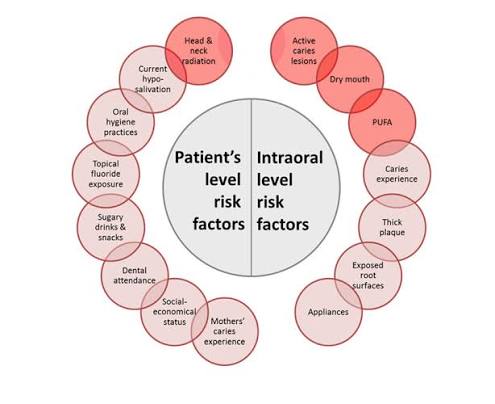
Hundreds of prescription and over-the-counter medications—including blood pressure drugs, antidepressants, and antihistamines—can cause dry mouth by reducing saliva flow. Saliva acts as a natural protective barrier, neutralizing bacterial acids and flushing away food debris. A lack of saliva accelerates plaque buildup and creates an environment where harmful bacteria thrive.
When periodontal disease is allowed to progress unchecked, it destroys the underlying bone structure supporting your teeth, eventually leading to mobility or tooth loss. In cases where severe infection or bone degradation has compromised multiple teeth, routine periodontal maintenance may no longer be enough to save them.
For patients experiencing extensive tooth loss as a result of late-stage periodontitis, seeking guidance from the best full arch implant clinics in Columbia can offer life-changing restorative solutions. Advanced full-arch implant therapies replace whole rows of failing or missing teeth with permanent, functional, and aesthetically pleasing fixed bridges, restoring both oral health and quality of life.
Fortunately, periodontal disease is largely preventable through consistent habits and timely care:
By understanding these primary risk factors and taking steps to address them early, you can protect your gums, preserve your natural smile, and support your long-term health for years to come.