Physical Address
304 North Cardinal St.
Dorchester Center, MA 02124
Physical Address
304 North Cardinal St.
Dorchester Center, MA 02124

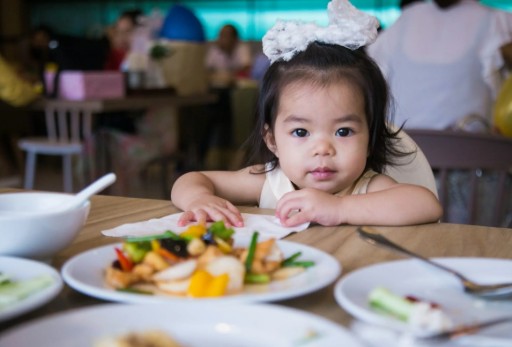
For parents, the kids’ menu can make or break a meal out. A good one offers food children will actually eat, at portions and prices that make sense, with options that do not leave parents worrying about nutrition. A poor one offers the same three fried items everywhere. Knowing what to look for helps families choose restaurants that work for their children.
Kids’ meals should be sized for children. Oversized portions lead to waste or overeating. Ideal portions are smaller than adult entrees but filling enough for growing kids. Some restaurants offer two sizes, one for toddlers and one for older children, which helps families with kids of different ages.
Kids’ meals should cost noticeably less than adult entrees. Many include a drink and a side, adding value. Some restaurants offer kids-eat-free nights or discounts on certain days, which can make a big difference for larger families.
Chicken tenders, fries, and burgers are popular for good reason, but a strong kids’ menu offers more. Look for grilled chicken, pasta with marinara, scrambled eggs, pancakes, quesadillas, turkey sandwiches, and rice dishes. Breakfast items available all day give kids familiar, satisfying choices.
Fruit, applesauce, steamed vegetables, carrot sticks, or side salads as alternatives to fries let parents balance meals. Restaurants that offer these sides by default or as easy substitutions make healthy choices simple.
Milk, water, and small juices are better everyday choices than soda. Kids’ menus that include milk or water by default help build healthier habits. Chocolate milk can be a treat that still provides protein and calcium.
Children with food allergies need extra care. Kids’ menus that clearly note common allergens, and staff who understand cross-contact, give parents confidence. Ask about preparation methods and shared fryers if allergies are a concern.
Picky eaters may want plain pasta without sauce, a burger with nothing on it, or eggs cooked a specific way. Restaurants willing to accommodate simple requests make dining out easier. Many diners and family restaurants are especially flexible.
Hungry kids have little patience. Kitchens that prioritize kids’ orders or prepare them quickly help prevent meltdowns. Asking servers to bring kids’ food as soon as it is ready is a common and reasonable request.
Many kids’ menus are designed for children under 10 or 12. Older kids may outgrow the portions but find adult entrees too large. Restaurants that offer half portions, senior menus available to all ages, or light plates fill the gap.
Coloring sheets, puzzles, and crayons keep kids entertained. Fun shapes, like pancakes with smiley faces, can make meals exciting. Kids’ menus do not need flashy toys to be appealing.
Kids’ menus give children a chance to practice choosing their own food and ordering politely. Encouraging kids to read the menu, ask questions, and order for themselves builds confidence.
Encourage kids to try bites from adult plates or choose something new occasionally. Exposure to different flavors helps expand their palates over time. A restaurant that offers sample-sized portions or side dishes can help.
Parents in Paramount and nearby communities often say the best restaurant for their family is one with a broad kids’ menu, healthy side options, and patient staff. Asking other parents for recommendations is a reliable way to find these spots.
Online reviews from parents often mention kids’ menu quality, high chair availability, changing tables, and how staff treat children. Searching reviews for words like “kids” or “family” surfaces this information quickly.
Eating out is often a treat, and that is fine. Balancing fried items with fruit sides, offering water, and saving desserts for special occasions helps kids enjoy restaurant meals while building healthy habits.
Breakfast menus often work especially well for children. Eggs, pancakes, waffles, toast, and fruit are familiar and quick to prepare. Restaurants that serve breakfast all day give families an easy fallback when a child is not interested in anything else on the menu.
Toddlers often eat only a few bites. Sharing from a parent’s plate or ordering a single side like scrambled eggs or fruit may be enough. Asking for an empty plate and utensils for sharing is a common request.
The best kids’ menus offer reasonable portions, fair prices, healthy options, flexibility, and quick service. Finding restaurants that meet these standards makes family dining more enjoyable for everyone.