Physical Address
304 North Cardinal St.
Dorchester Center, MA 02124
Physical Address
304 North Cardinal St.
Dorchester Center, MA 02124

Puppies and small dogs explore with their noses touching the ground. They crawl under beds, navigate through prickly bushes, and play rough games on the rug in the living room. The loose tag dangling from the tiny chin gets moved around all the time.
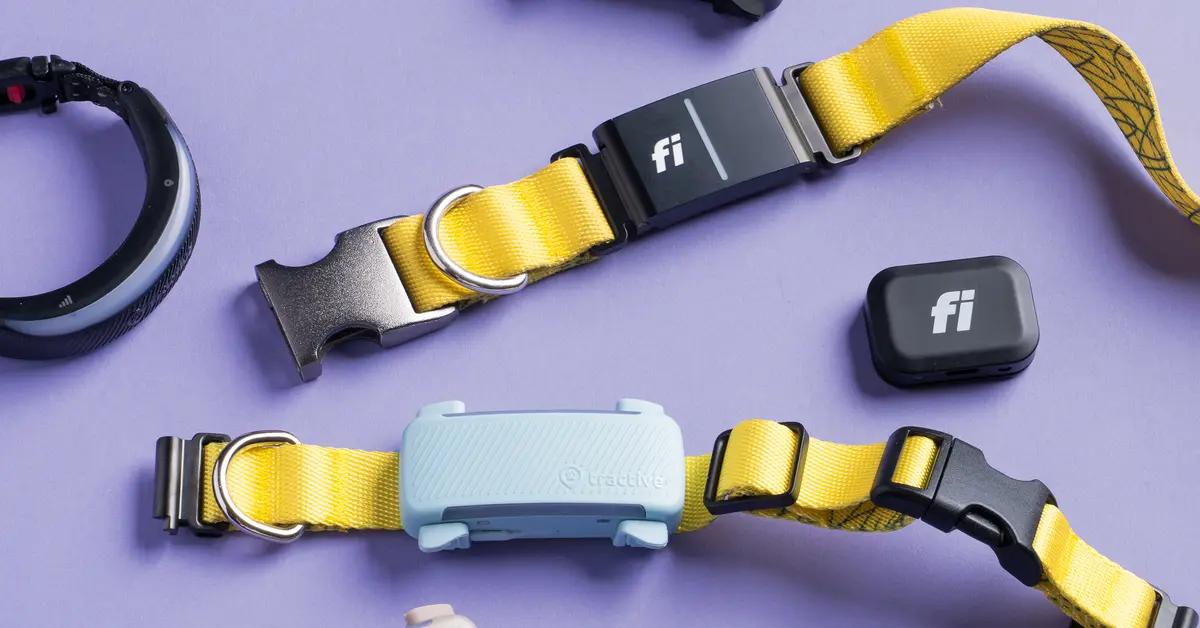
When selecting a dog collar with gps tracker attached, the way the tracking device attaches to the strap is as important as the tracker itself.
The hanging tracker attached to a split ring swings like a pendulum each time your dog runs or shakes. On a 7-pound puppy, even the light charm may strike the chest or the jaw.
The integrated holder keeps the unit pressed against the strap. Less bounce means fewer distractions during games and less loose hardware your teething puppy may try to chew on.
Small dogs have fragile necks, and curiosity will take them into places where it could get tight. A collar caught on a branch or fence wire would result in a frightening situation.
The additional elasticity of a safety band will allow for some give in case of catching on something solid. This way, your dog will be able to slip out without straining on a stiff strap.
Any collar designed to give or release in some way is intended for regular roaming and controlled indoor use, but not for leash walking. For leash walks, use a harness or a walk-specific collar.
If too loose, the collar will slide over the top of a narrow head, and a tight strap will irritate the skin. Sizes 7″–9″ and 9″–13″ are appropriate for toy breeds and puppies, but a weekly size check is still necessary.
The circumference of the dog’s neck should be measured around its base, leaving enough space for two fingers to fit under. Puppies grow rapidly, so check the strap fit frequently to prevent it from becoming too snug.
Low light conditions during dusk walks and at night in hallways make it hard to see small dogs, particularly those with dark coats. The reflective strips catch the headlights and porch lights, helping you know where your dog is going.
The detachable bell can also be used to listen to the quiet sounds made by the puppy while roaming the house. However, not all dogs enjoy jingling sounds all day long right next to their ears, so it’s great that you can take the bell off.
People often choose a dog collar with gps tracker style collar, believing that it sends live coordinates via satellite anywhere. AirTags-style proximity trackers use a Bluetooth connection to nearby Apple devices in the Find My network to update location.
If your phone is nearby or in a busy urban area with lots of active devices, updates will help locate your dog more precisely.
Safety depends on small things like a properly fitting tracker on the collar, places where it can get snagged, correct size, and realistic expectations about signal range.