Physical Address
304 North Cardinal St.
Dorchester Center, MA 02124
Physical Address
304 North Cardinal St.
Dorchester Center, MA 02124


Diesel trucks power some of the hardest-working industries in the world. Whether it’s transporting goods across long distances or hauling heavy equipment to a job site, these trucks are made for demanding work. But like any vehicle, they’re not immune to problems. Over time, wear and tear take a toll on key systems. Fuel quality, temperature changes, long hours, and poor maintenance habits can all lead to issues that reduce performance and reliability.
Understanding what can go wrong helps drivers and fleet owners respond quickly. If you know what signs to watch for, you can avoid breakdowns and stay on the road longer. Let’s look at some of the most common diesel truck problems and how to deal with them before they turn into bigger headaches.
Engine Starting Issues
One of the most frustrating problems with diesel trucks is when they don’t start, especially in cold weather. A healthy diesel engine should fire up quickly. When it doesn’t, there’s often a deeper issue.
Weak or aging batteries are a common cause. Diesel engines require a lot of power to crank, and even a slightly weak battery can make a big difference. Cold temperatures only make the situation worse. If the battery isn’t the problem, it could be worn-out glow plugs. These help warm the engine so it can start easily. When they go bad, starting becomes harder and may take several attempts.
Another issue could be clogged fuel filters. These block the flow of fuel to the engine, making starting difficult or impossible. If you hear the engine turning over but it never catches, fuel delivery is a likely culprit. Replacing filters regularly is a smart way to avoid this problem.
When a truck won’t start and you’re stuck at a job site or roadside, getting help from a mobile diesel mechanic can save you hours of downtime and the cost of towing. These mechanics come to you, diagnose the issue on-site, and often carry the tools and parts needed to fix the problem right there. For fleet managers, mobile services reduce interruptions and help keep schedules on track.
Fuel Contamination Problems
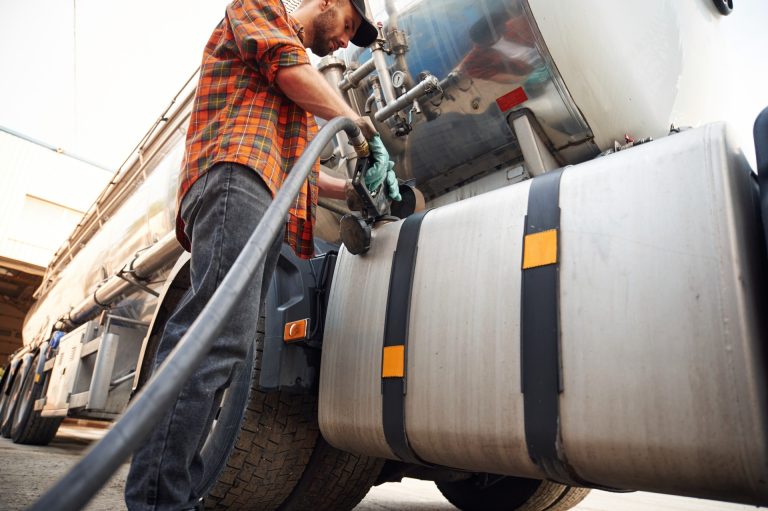
Fuel contamination is a bigger issue than many drivers realize. Diesel fuel systems are sensitive. Even a small amount of water, dirt, or microbial growth can lead to serious problems. Contaminants often enter through poor-quality fuel or when tanks aren’t sealed properly. Once inside, they can clog filters, damage injectors, or cause the engine to misfire.
Common symptoms include rough idling, lower fuel economy, or a drop in engine power. Sometimes the engine stalls altogether. The best way to avoid this is by buying clean fuel, keeping tanks sealed tight, and replacing fuel filters as part of regular maintenance. If you suspect contamination, a mechanic can flush the system and replace affected parts before lasting damage occurs.
Injector and Turbocharger Failures
Diesel injectors and turbochargers are essential parts of your engine’s performance. Injectors deliver fuel into the combustion chamber, while the turbocharger increases airflow and boosts power. When either of these starts to fail, the engine won’t run the way it should.
Injector problems usually come from dirty fuel or lack of proper maintenance. They can get clogged or leak, causing rough idling, high fuel usage, or misfiring. Turbocharger failures are often linked to oil issues. Low oil levels or dirty oil can cause the turbo to overheat or wear out faster.
Signs of trouble include black smoke from the exhaust, unusual engine noise, or a sudden drop in power. If these symptoms show up, it’s best to act quickly. Keeping up with oil changes, using clean fuel, and inspecting the air filter helps reduce the risk. Replacing a worn turbo or set of injectors is costly, so catching problems early is the smart move.
Overheating and Cooling System Issues
An overheating engine is a serious problem in any diesel truck. It can lead to warped components, blown head gaskets, or complete engine failure. Common reasons for overheating include low coolant, thermostat failure, radiator leaks, or a malfunctioning fan.
The first sign is usually a rising temperature gauge. You might also notice steam from under the hood or smell burnt coolant. If this happens while driving, it’s important to pull over and let the engine cool. Never open the radiator cap when it’s hot.
To avoid overheating, check coolant levels often and look for signs of leaks. Radiators and hoses wear out over time, so periodic inspection helps prevent sudden failures. A mechanic can also pressure test the system to find hidden leaks. Regular coolant flushes are useful in keeping the system clean and effective.
Exhaust Aftertreatment System Problems
Modern diesel trucks use aftertreatment systems to reduce emissions. These systems include the Diesel Particulate Filter (DPF), Diesel Exhaust Fluid (DEF), and the Selective Catalytic Reduction (SCR) unit. While helpful for the environment, they can cause performance issues if they’re not working right.
One of the most common problems is a clogged DPF. Short trips or long idling periods prevent proper regeneration, which is the process that burns off trapped soot. When this happens, you may see warning lights, poor fuel economy, or reduced engine power.
DEF systems can also malfunction. Using poor-quality fluid or running out of DEF can cause warning lights to appear and even limit the engine’s speed. Staying alert to these warnings and refilling DEF on time keeps the system in good shape. It’s also helpful to drive longer distances once in a while to let the DPF complete its cycles.
Brake and Suspension Wear
Diesel trucks carry heavy loads, and this puts a lot of pressure on the braking and suspension systems. Over time, brake pads, rotors, and suspension parts wear out faster than on lighter vehicles.
Warning signs include squeaking or grinding when braking, vibration through the steering wheel, or uneven tire wear. If the ride feels rough or the truck leans to one side, the suspension might need attention.
Simple habits like avoiding hard braking, reducing overloads, and scheduling regular inspections go a long way. Replacing worn parts before they fail completely is safer and cheaper than dealing with the damage they can cause.
Diesel trucks are built to be strong and reliable, but they still need care. Knowing what problems can come up—and how to handle them—keeps your truck on the road longer. Regular checks, timely repairs, and smart driving habits make a big difference. Pay attention to the signs your truck gives you, and don’t wait too long to take action. It’ll save you time, money, and stress in the long run.