Physical Address
304 North Cardinal St.
Dorchester Center, MA 02124
Physical Address
304 North Cardinal St.
Dorchester Center, MA 02124

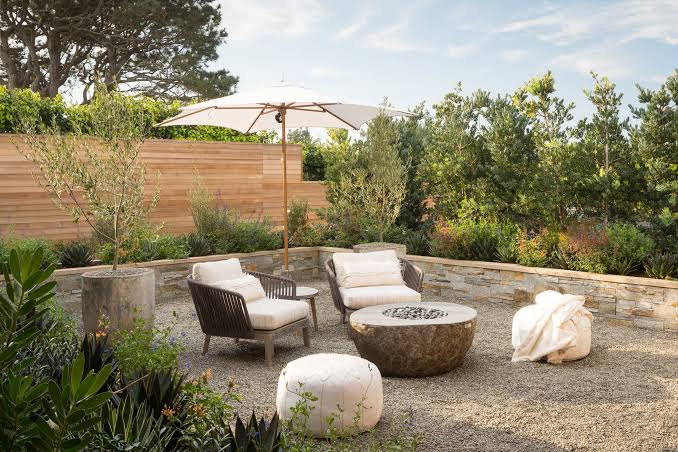
A well-designed patio can become an extension of your home, offering a welcoming place to relax, dine, entertain, or enjoy quiet mornings outdoors. The best patio designs do more than look attractive—they make everyday activities easier and more comfortable. By combining thoughtful layouts, durable materials, practical lighting, comfortable furniture, and inviting details, you can create an outdoor space that feels polished while working beautifully for your lifestyle.
Before choosing furniture, finishes, or decorative elements, consider how you want to use your patio. A space intended primarily for outdoor dining will need a different arrangement from one designed for lounging or entertaining guests. Defining the patio’s main functions first makes it easier to create a layout that feels natural rather than crowded.
Think about the activities you regularly enjoy outside. You may want a dining area for family meals, a comfortable seating zone for conversation, or an open section for children to play. If you frequently host gatherings, leave enough room for people to move comfortably between seating, dining, and access points to the home.
Zoning can make a patio feel larger and more organized. Use furniture placement, changes in flooring, outdoor rugs, planters, or subtle level changes to distinguish one area from another. The goal is not to divide the patio into rigid compartments but to give each part a clear purpose while maintaining visual flow.
Good circulation is one of the most important elements of functional patio design. Avoid placing large furniture pieces directly in pathways or creating narrow spaces between seating and walls. Doors, stairs, grills, and other frequently used areas should remain easy to access.
When planning the layout, imagine how people will move through the space during a typical day. A clear path from the house to the seating area can make the patio feel more spacious and convenient. For entertaining, consider how guests will move between food, drinks, seating, and conversation areas without constantly navigating around furniture.
Patio materials have a major influence on both appearance and maintenance. Natural stone, concrete, brick, tile, and composite materials can each create a distinctive look, but the best choice depends on your climate, maintenance preferences, and how heavily the patio will be used.
For a timeless appearance, consider materials with subtle colors and textures that complement the exterior of your home. Neutral tones can provide a versatile foundation for furniture and accessories, while patterned or textured surfaces can add visual interest without relying on excessive decoration.
Durability should be considered alongside appearance. Outdoor surfaces are exposed to changing temperatures, moisture, sunlight, dirt, and regular foot traffic. Choosing materials suited to local conditions can help preserve the patio’s appearance and reduce maintenance over time.
A beautiful patio should feel connected to the home rather than appearing like a separate outdoor installation. Repeating colors, materials, or architectural details from the interior or exterior can create a cohesive transition.
For example, a patio can echo the tones of exterior walls, trim, flooring, or landscaping. Matching every element is unnecessary; even a few repeated design cues can make the entire property feel more thoughtfully planned.
Consider sightlines as well. A patio that looks attractive from inside the home can enhance the view through nearby windows and doors. Arranging plants, furniture, and decorative features with these perspectives in mind can make the outdoor area contribute to the home’s overall visual appeal.
Comfort is what turns a visually appealing patio into a space people actually want to use. Outdoor furniture should be selected according to the activities it will support, whether that means long dinners, casual conversations, reading, or afternoon relaxation.
Look for seating with proportions that suit the available space. A large sectional can create a luxurious lounge area, but it may overwhelm a compact patio. In smaller spaces, individual chairs or benches can offer flexibility while preserving an open feel.
Layering different seating types can also make the patio more versatile. A dining table can support meals and work, while lounge chairs provide a more relaxed setting. Benches can accommodate additional guests without requiring large amounts of floor space.
Shade is another important part of outdoor comfort. Depending on the patio’s location, options such as pergolas, umbrellas, shade sails, covered structures, or strategically planted trees can reduce glare and make the space more enjoyable during warmer hours.
A patio often feels more inviting when it has a natural focal point. Fire features, water elements, planters, sculptural pieces, and carefully positioned lighting can give the space character while supporting its intended use.
For patios designed around evening entertaining, a round gas fire pit can provide warmth and a central gathering point without requiring the footprint of a larger built-in structure. Positioning a fire feature where seating can comfortably face it encourages conversation and gives the patio a strong visual anchor.
When incorporating any heat-producing feature, leave appropriate clearance from furniture, walls, overhead structures, and combustible materials. Follow applicable installation and safety requirements to ensure the feature remains both attractive and practical.
Outdoor lighting can dramatically change the atmosphere of a patio after sunset. Instead of relying on one bright fixture, use multiple layers of illumination to create depth, improve visibility, and highlight important areas.
Ambient lighting provides general illumination, while task lighting can make specific activities easier. For example, dining areas benefit from well-positioned overhead or nearby lighting, while steps and pathways need clear visibility for safe movement.
Accent lighting can be used more selectively. Soft illumination around plants, walls, architectural features, or seating areas can add dimension without making the patio feel overly bright.
The most effective patio lighting usually combines function with subtlety. Excessively bright lights can create glare and diminish the relaxed atmosphere that makes outdoor spaces appealing. Warm-toned illumination often works well for seating and dining areas because it creates a softer, more welcoming environment.
Timers, sensors, and adjustable lighting can also improve convenience. A thoughtfully planned system allows the patio to transition from daytime activity to evening entertaining without requiring constant adjustment.
Plants can soften hard surfaces and introduce color, texture, and movement to a patio. They also help connect the built environment with the surrounding landscape. Even a primarily paved patio can feel lush when greenery is incorporated thoughtfully.
Choose plants based on the amount of sunlight, moisture, wind exposure, and maintenance you are prepared to provide. Container plants offer flexibility and can be rearranged when you want to refresh the layout. Larger planters can also help define zones or provide a sense of privacy.
For a more permanent approach, use surrounding beds, shrubs, ornamental grasses, or small trees to frame the patio. Layering plants at different heights can create a natural backdrop while avoiding a visually flat appearance.
Privacy can make a patio significantly more comfortable, particularly when neighboring properties are close by. However, completely enclosing the space can make it feel smaller.
Instead, consider partial screening. Tall planters, trellises, pergolas, hedges, ornamental grasses, or strategically placed trees can create privacy while preserving airflow and views. The right solution depends on the patio’s orientation and the level of privacy you need.
A partial screen can also serve a decorative purpose. Rather than treating privacy as something that must be hidden, incorporate it into the overall design so it becomes another attractive feature.
Outdoor spaces often accumulate cushions, serving pieces, gardening supplies, toys, and entertaining accessories. Without a storage plan, even a beautiful patio can quickly become cluttered.
Built-in benches with concealed compartments can provide seating and storage at the same time. Weather-resistant cabinets, storage boxes, and shelving can also keep frequently used items nearby without allowing them to dominate the visual design.
When possible, match storage elements to the patio’s existing materials and colors. Integrated storage tends to look more polished than a collection of unrelated containers placed wherever space is available.
Functionality also means keeping the patio easy to care for. Select furniture covers, washable textiles, durable finishes, and surfaces that can withstand the conditions they will face.
Consider how easily leaves, dust, rainwater, and spills can be removed. Adequate drainage is particularly important because standing water can damage surfaces, encourage unwanted growth, and make the space unpleasant to use.
A low-maintenance design does not have to look plain. Durable materials, attractive containers, layered lighting, and carefully selected furniture can create an elegant patio while reducing the amount of time required for upkeep.
Once the major design decisions are complete, use accessories to express your personal style. Outdoor cushions, rugs, throws, lanterns, planters, artwork, and decorative objects can introduce color and character without requiring permanent changes.
Keep the overall palette coordinated rather than matching every piece. Two or three complementary colors can provide enough visual consistency while allowing individual elements to stand out.
Flexibility is especially useful when seasons change. Removable textiles and accessories can be switched to reflect different weather conditions or occasions. A patio can therefore feel fresh throughout the year without undergoing a complete redesign.
The best finishing touches should also support how you use the space. A side table beside every lounge chair may be more useful than purely decorative objects, while a serving cart can make outdoor meals easier. Beauty becomes more meaningful when it contributes to comfort and convenience.
The most successful patios combine visual appeal with thoughtful everyday functionality. Start with a purposeful layout, then build around durable materials, comfortable seating, layered lighting, greenery, privacy, storage, and flexible accents. When every feature has a reason for being there, the result feels cohesive rather than crowded. With careful planning, your patio can become a beautiful outdoor retreat that remains comfortable, practical, and inviting for years to come.