Physical Address
304 North Cardinal St.
Dorchester Center, MA 02124
Physical Address
304 North Cardinal St.
Dorchester Center, MA 02124

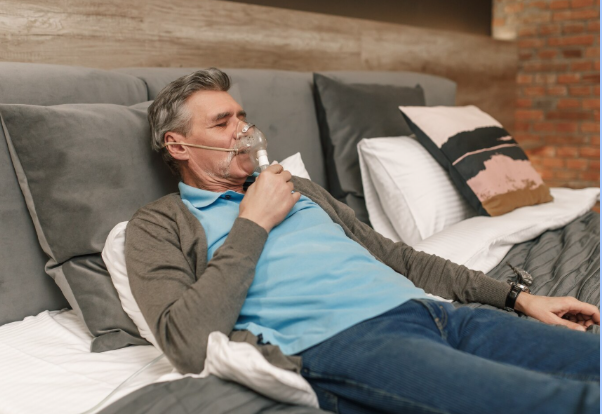
Starting CPAP therapy can take some getting used to. Wearing a mask while sleeping, adjusting to airflow and managing the equipment might feel unfamiliar during the first few nights. Some people adapt quickly, while others need time and support before the treatment becomes part of their regular bedtime routine.
CPAP therapy in Singapore is commonly prescribed for obstructive sleep apnoea. Continuous positive airway pressure (CPAP) therapy delivers a steady flow of pressurised air through a mask to help keep the upper airway open during sleep. Using the equipment as prescribed is important, so discomfort should be addressed rather than treated as a reason to stop therapy without medical advice.
A few practical adjustments can make the experience easier. The right mask, a comfortable sleeping environment and regular equipment maintenance all contribute to a more manageable routine.
The sensation of wearing a mask during sleep is one of the first challenges for new CPAP users. Depending on the design, the mask might cover the nose, fit beneath the nostrils or cover both the nose and mouth.
If wearing it feels unfamiliar, ask your CPAP provider whether you can practise using the mask while awake. Sitting comfortably and wearing it for a short period can help you become familiar with its fit and the sensation of airflow. Follow the provider’s instructions when practising with the machine.
Avoid tightening the straps excessively in an attempt to make the mask feel more secure. A mask that is too tight might create pressure marks, discomfort or air leaks. It should fit securely without causing unnecessary pressure.
If the mask repeatedly shifts during sleep or leaves sore areas on your face, speak with your provider about adjustments or alternative styles.
Mask selection has a significant effect on comfort. A full-face mask covers the nose and mouth, while a nasal mask covers the nose. Nasal pillows or similar designs sit at the entrance of the nostrils and generally have less contact with the face.
Each style has different advantages, and the most suitable option depends on your facial structure, breathing habits, sleeping position and treatment requirements. A smaller design is not automatically more comfortable, particularly if it creates pressure around the nostrils.
Check the fit according to the manufacturer’s instructions. Some masks need to be adjusted while lying down because the shape of your face changes slightly with your sleeping position. Facial hair, movement during sleep and worn cushion components can also affect the seal.
If you experience persistent leaks, ask your provider to review the mask size and fitting. Replacing worn cushions and headgear when recommended can also help maintain a reliable fit.
Dryness in the nose, mouth or throat is a common complaint among some CPAP users. Airflow, room conditions and individual sensitivity can all influence how comfortable the treatment feels.
Many CPAP machines offer heated humidification. This adds moisture to the airflow and might help reduce dryness or irritation. Some systems also include heated tubing to help manage condensation inside the hose.
Humidifier settings should be adjusted according to the equipment instructions and guidance from your provider. Too much moisture or unsuitable room conditions might lead to condensation, sometimes called rainout, where water collects inside the tubing or mask.
If dryness continues despite using humidification, discuss it with your sleep care provider. Persistent nasal congestion, irritation or mouth breathing might require further assessment rather than repeated changes to the machine settings.
Your bedroom setup can affect how easily you use CPAP equipment throughout the night. Place the machine on a stable, level surface near your bed, with enough space for the tubing to reach comfortably.
Keep the hose arranged so it does not pull on the mask when you turn over. Some users find a hose holder useful because it keeps the tubing away from their body and reduces tangling. Make sure the arrangement does not create a tripping hazard or obstruct airflow.
Your sleeping position also matters. If you often sleep on your side, check whether the mask presses against your pillow or shifts when you move. A pillow designed to accommodate CPAP masks might help, although a suitable regular pillow may work just as well.
Avoid placing the machine where it might be knocked off a bedside table. Follow the manufacturer’s guidance on positioning, ventilation and keeping the equipment away from water.
Many CPAP machines include features designed to make treatment easier to tolerate. One example is the ramp function, which starts airflow at a lower pressure and gradually increases it towards the prescribed treatment level. This can help some users fall asleep more comfortably.
Other machines offer pressure relief during exhalation, although availability and operation vary by model. Humidification and heated tubing are additional features that might improve comfort.
The correct settings depend on your prescribed treatment and equipment. Do not change the pressure range or other clinical settings without guidance from your sleep clinician or authorised provider. If the airflow feels too strong or too weak, explain what you are experiencing so the treatment can be reviewed safely.
Your machine’s user guide is useful for understanding comfort functions and routine operation. Ask your provider to demonstrate any feature you are unsure how to use.
Regular cleaning helps maintain your CPAP equipment and reduces the build-up of dirt, oils and residue. The mask cushion comes into contact with your skin every night, while the tubing and humidifier chamber are exposed to moisture.
Follow the manufacturer’s cleaning schedule and use the recommended cleaning methods. Allow washable components to dry fully before reassembling them. Check the mask cushion, headgear, tubing and filters regularly for signs of wear or damage.
Avoid using cleaning products that are not approved for the equipment. Strong chemicals, unsuitable disinfectants and excessive heat might damage certain components. CPAP equipment should also not be cleaned with ozone or ultraviolet devices unless the manufacturer specifically approves the method.
Replace filters and other consumable parts according to the manufacturer’s recommendations. If a component becomes damaged or difficult to clean, ask your provider whether it needs replacing.
Some discomfort is manageable through better mask fitting or adjustments to the sleeping environment. Other problems require professional attention.
Persistent air leaks, skin irritation, nasal congestion, dry mouth and difficulty tolerating airflow are worth discussing with your CPAP provider. They can review the equipment, check the mask fit and determine whether further clinical assessment is needed.
Do not stop prescribed CPAP treatment or make major setting changes on your own because of discomfort. If you are struggling to use the machine consistently, explain the problem to your sleep care team. They can help identify a suitable solution while keeping your treatment plan in mind.
Getting comfortable with CPAP therapy often involves a few adjustments to your mask, sleeping environment and equipment routine. Finding a suitable fit, managing dryness and keeping the tubing organised can make nightly treatment easier to manage.
Give yourself time to adapt, but do not ignore problems that continue to affect your sleep. Your CPAP provider can help resolve equipment-related issues, while your sleep clinician can review concerns about treatment settings or ongoing symptoms. Consistent use according to your prescribed plan remains important for managing sleep apnoea.