Physical Address
304 North Cardinal St.
Dorchester Center, MA 02124
Physical Address
304 North Cardinal St.
Dorchester Center, MA 02124


Do your gums ever feel sore or bleed when you brush?
Healthy gums are just as important as healthy teeth. Taking care of them helps prevent pain, bad breath, and even tooth loss.
The good news is that keeping your gums healthy is simple with the right habits. In this guide, you’ll learn easy ways to protect your gums every day.
Want a cleaner smile and better oral health? Keep reading to find out how to care for your gums the right way.
Brush Your Teeth
Brushing your teeth helps remove plaque and food particles. It keeps your gums clean and free from harmful bacteria. Use a soft-bristled toothbrush to avoid hurting your gums. Brush gently in small circles, not too hard. Make sure to brush along the gum line.
Do this for at least two minutes each time. Brush your teeth twice a day, morning and night. Use fluoride toothpaste to strengthen teeth and gums. Replace your toothbrush every three months.
An old brush can damage your gums and miss spots. Brushing the right way helps prevent gum disease. Healthy brushing habits keep your smile clean and strong.
Floss Daily
Flossing removes food and plaque between your teeth. These are spots your toothbrush can’t reach. When plaque builds up, it can lead to gum disease. Flossing helps keep your gums clean and healthy. Use a gentle back-and-forth motion. Be careful not to snap the floss on your gums.
Make sure to floss once a day, every day. It only takes a few minutes but makes a big difference. Clean both sides of every tooth while flossing. Throw away the floss after each use.
Regular flossing helps stop bleeding and swelling. Healthy gums start with simple daily care.
Rinse with Mouthwash
Mouthwash helps clean areas your toothbrush may miss. It can kill bacteria that cause gum problems. Choose a mouthwash made for gum health. Look for one with antibacterial or anti-gingivitis labels. Rinse your mouth for 30 seconds after brushing or flossing. Do not swallow the mouthwash.
Use it once or twice a day for the best results. It can also help freshen your breath. Mouthwash reduces plaque and keeps your gums healthy. It is a quick and easy step in your routine.
Ask your dentist which type is right for you. Adding mouthwash to your day can protect your gums over time.
Eat Healthy Foods
Healthy foods help keep your gums strong. Fruits and vegetables are full of vitamins that support gum health. Crunchy foods like apples and carrots can help clean your teeth. Dairy products give you calcium, which keeps teeth and gums strong. Avoid sticky and sugary snacks that can harm your gums.
Sugar feeds bacteria that cause gum disease. Drink milk or water instead of soda. Whole grains and lean proteins are also good for your gums. A balanced diet helps your body fight infections.
This includes gum infections like gingivitis. Eating well supports your overall oral health. Good food choices help protect your smile every day.
Cut Down on Sugar
Too much sugar can harm your gums. Sugar feeds the bacteria that cause plaque. Plaque can lead to gum disease if not removed. Candy, soda, and sweet snacks are common sugar sources. Try to limit these in your daily diet. Choose healthier options like fruits or nuts.
Read food labels to check sugar content. Even some drinks have hidden sugars. Brushing after eating sweets helps protect your gums. Drinking water can also wash away sugar.
Less sugar means fewer chances for gum problems. Healthy gums start with smart food choices.
Stay Hydrated
Drinking water helps keep your mouth clean. It washes away food bits and bacteria. Staying hydrated also keeps your gums moist and healthy. A dry mouth can lead to more plaque and gum problems. Water helps your body produce more saliva. Saliva protects your teeth and gums from decay.
Avoid sugary drinks that can harm your gums. Carry a water bottle and sip throughout the day. Try to drink water after meals and snacks. This helps clean your mouth between brushings.
Good hydration supports your overall oral health. Simple habits like drinking water can make a big difference for your gums.
Stop Smoking
Smoking is harmful to your gums and teeth. It weakens your immune system, making it harder to fight infections. Smokers are more likely to get gum disease. It also slows healing after dental treatments. Smoking reduces blood flow to your gums. This can cause your gums to pull away from your teeth.
Your mouth may not show signs of disease right away. That makes problems harder to notice. Bad breath and stained teeth are also common. Quitting smoking helps your gums heal and stay strong.
Your dentist can help you find ways to quit. Healthier gums are one more reason to stop smoking today.
See Your Dentist
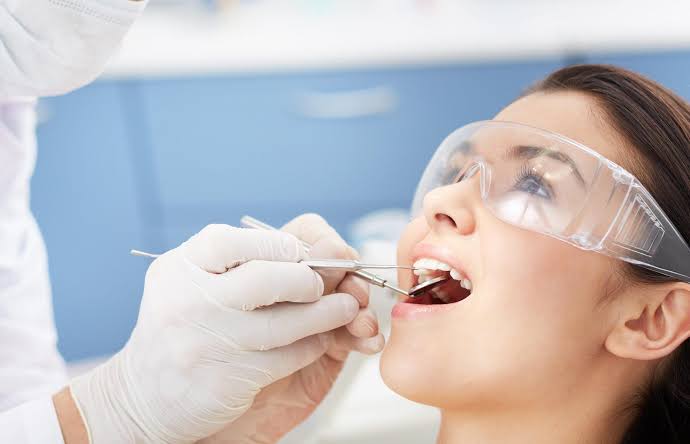
Regular dental visits help keep your gums healthy. Dentists can find early signs of gum disease. They clean spots you can’t reach at home. Professional cleanings remove plaque and tartar. Tartar can cause gum problems if left alone. Dentists also check for swelling or bleeding.
Early treatment can stop gum disease from getting worse. You should visit the dentist at least twice a year. If you have gum issues, you may need more visits. Your dentist can give you tips for better gum care.
They may suggest special tools or products. Regular checkups protect both your gums and your smile.
Use the Right Toothbrush
Choosing the right toothbrush helps protect your gums. A soft-bristled brush is best for gentle cleaning. Hard bristles can hurt your gums and cause bleeding. The toothbrush should fit your mouth comfortably. A small head can reach tight spaces better.
Electric toothbrushes are also a good choice. They clean well and are easy to use. Replace your toothbrush every three months. Worn-out bristles do not clean well. Change it sooner if the bristles look frayed.
A clean and soft brush keeps your gums safe. The right tool makes a big difference in gum care.
Change Your Brush Often
Toothbrushes wear out over time. Old bristles do not clean your teeth or gums well. Worn bristles can also hurt your gums. It’s best to change your toothbrush every three months. If the bristles look frayed, replace it sooner.
A fresh toothbrush removes plaque more effectively. Clean bristles are gentle on your gums. Germs can build up on old brushes. This can lead to infections or gum problems.
Changing your brush helps keep your mouth healthy. Always rinse your toothbrush after use. Let it air dry to keep it clean and ready.
Clean Your Tongue
Cleaning your tongue helps remove bacteria from your mouth. These bacteria can cause bad breath and gum problems. Use a tongue scraper or the back of your toothbrush. Gently scrape from the back of your tongue to the front. Do this once a day, usually after brushing. Be gentle to avoid hurting your tongue.
A clean tongue keeps your mouth feeling fresh. It also helps reduce the number of harmful germs. Less bacteria means healthier gums. Rinse your mouth after cleaning your tongue.
This removes loosened debris and germs. Daily tongue cleaning is a simple step with big benefits.
Avoid Grinding Teeth
Grinding your teeth can harm both your teeth and gums. It puts too much pressure on your mouth. This can lead to sore gums and loose teeth. Many people grind their teeth at night without knowing. If you wake up with jaw pain, it might be a sign. Talk to your dentist if you think you grind your teeth.
They may suggest using a mouth guard. A mouth guard protects your teeth while you sleep. Stress can also cause grinding. Try to relax before bedtime to help reduce it.
Avoid chewing on hard items like pens or ice. Taking care of this problem helps protect your gums in the long run.
Watch for Gum Swelling
Gum swelling is often a sign of gum problems. It can happen when bacteria build up along the gumline. You might notice redness, puffiness, or tenderness. Swollen gums may bleed when you brush or floss. This could mean the start of gum disease. Don’t ignore these early signs.
Rinse your mouth with warm salt water to ease swelling. Make sure you brush and floss daily to remove plaque. If the swelling does not go away, see your dentist. They can check for deeper issues.
Catching problems early keeps your gums healthy. Good care today can prevent bigger problems tomorrow.
Get Dental Cleanings
Regular cleanings help remove plaque and tartar from your teeth. These harmful buildups can lead to gum disease if not removed. A dental cleaning keeps your gums healthy and your smile bright. Your dentist can spot early signs of trouble during the visit. This allows for early treatment and better results.
A periodontal maintenance visit is often needed if you’ve had gum disease before. It includes a deeper cleaning around the gum line. These visits help prevent the return of gum issues.
Skipping cleanings can lead to more serious dental problems. Cleanings are quick and usually painless. Your gums stay stronger with regular care.
Learn More About Healthy Gums
Healthy gums help protect your teeth. They keep your mouth strong and free from pain. Simple habits like brushing and flossing make a big difference.
Regular dental visits also help prevent gum problems. Take care of your gums to keep your smile healthy.
Looking for more tips and ideas? We’ve got you covered. Check out some of our other posts now.