Physical Address
304 North Cardinal St.
Dorchester Center, MA 02124
Physical Address
304 North Cardinal St.
Dorchester Center, MA 02124

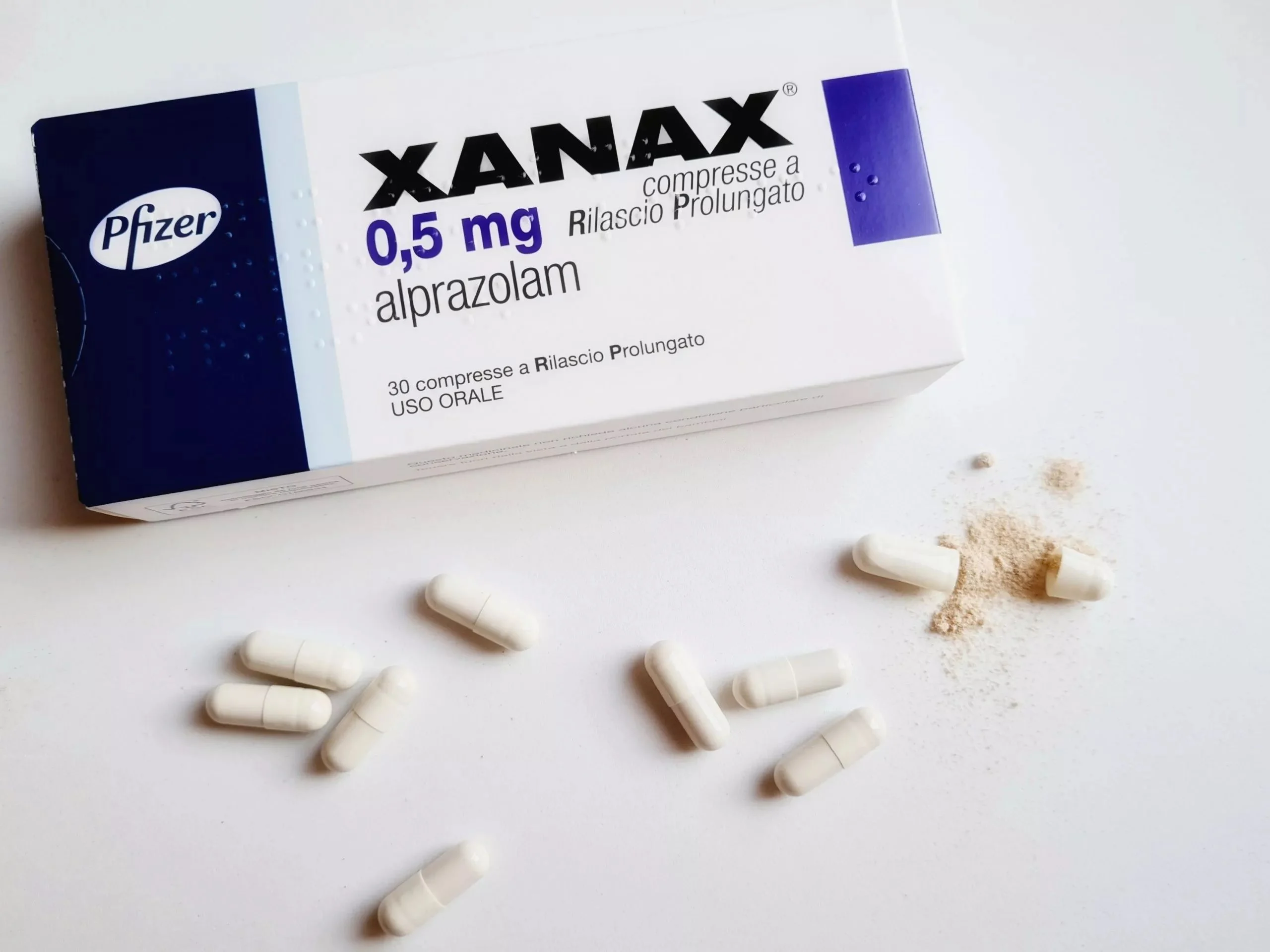
Most people who stop taking Xanax assume the hardest part will be the cravings. What they often don’t expect is that benzodiazepine withdrawal can become a medical emergency. Seizures, severe anxiety, and dangerous cardiovascular changes can all occur when someone discontinues alprazolam abruptly, especially after prolonged use. Understanding what’s actually happening inside the body during Xanax withdrawal, and why medical supervision is so strongly recommended, is knowledge that could genuinely protect someone’s life.
Xanax, the brand name for alprazolam, belongs to the benzodiazepine class of medications. These drugs work by enhancing the effect of gamma-aminobutyric acid, commonly called GABA, a neurotransmitter that slows down brain activity. When GABA receptors are repeatedly flooded by a benzodiazepine, the brain responds by making itself less sensitive to its own calming signals. It essentially compensates by ramping up excitatory activity to maintain balance.
This process, called neuroadaptation, can begin within just a few weeks of regular use. Even people taking Xanax exactly as prescribed can develop physical dependence without ever misusing the medication. The brain has simply recalibrated itself around the drug’s presence. Once the drug is removed, that compensatory excitatory state is left unchecked, and withdrawal symptoms appear.
Alprazolam has a relatively short half-life compared to other benzodiazepines like diazepam or clonazepam. That shorter half-life means the drug leaves the bloodstream faster, and withdrawal symptoms can begin within hours rather than days. This pharmacological detail is one reason Xanax withdrawal is often considered more intense than withdrawal from longer-acting benzodiazepines.
Withdrawal does not follow a single script. The experience varies depending on how long someone has used Xanax, the typical dose, whether other substances are involved, and individual differences in physiology. That said, there is a general pattern that clinicians recognize.
| Phase | Typical Onset | Common Symptoms |
| Early Acute | 6 to 12 hours after last dose | Anxiety, irritability, insomnia, tremors, elevated heart rate |
| Peak Acute | 1 to 4 days | Severe anxiety, panic attacks, sweating, muscle cramps, potential seizures |
| Late Acute | Days 5 to 14 | Mood swings, cognitive fog, gastrointestinal distress, continued insomnia |
| Post-Acute (PAWS) | Weeks to months | Persistent anxiety, depression, difficulty concentrating, sleep disturbances |
The post-acute withdrawal syndrome, often abbreviated as PAWS, is something many people are not warned about. Long after the acute physical symptoms resolve, psychological symptoms can linger for weeks or even months. This prolonged phase is one of the main reasons relapse rates are high among people attempting to quit benzodiazepines without professional support. The discomfort feels unending, and the medication that originally provided relief is still accessible to many people.
Alcohol and benzodiazepines are the two substance classes where withdrawal can directly cause death. This fact is worth sitting with. Unlike opioid withdrawal, which is extremely uncomfortable but rarely fatal on its own, abrupt benzodiazepine cessation can trigger tonic-clonic seizures that carry life-threatening consequences.
The seizure risk stems from the same neurological mechanism described earlier. With GABA activity suddenly suppressed and excitatory neurotransmitters like glutamate running without their usual check, the brain can enter a state of uncontrolled electrical activity. According to research published in the journal American Family Physician, seizures can occur in somewhere between 20 and 30 percent of people undergoing untreated benzodiazepine withdrawal, and multiple seizures significantly raise the risk of a condition called status epilepticus, which requires emergency intervention.
This risk is the primary clinical reason that tapering, rather than cold-turkey cessation, is standard practice. Medical professionals typically substitute a longer-acting benzodiazepine and gradually reduce the dose over weeks or months, allowing the brain to readjust at a pace that doesn’t trigger dangerous rebound excitation.
Medical detox is not simply a place to be monitored while feeling sick. It is a structured clinical process designed to manage withdrawal safely and reduce the chances of complications. For Xanax specifically, this typically involves several components working together.
People searching for structured medical support can find detailed information about what supervised alprazolam detox looks like in a clinical setting at https://tennesseebehavioralhealth.com/addiction-treatment/xanax-medical-detox-nashville/, which outlines the approach used for medically managed benzodiazepine withdrawal.
Several widespread misunderstandings about Xanax withdrawal contribute to people attempting to quit without appropriate help. Correcting these misconceptions matters.
Prescription status has no bearing on whether physical dependence has formed. The brain does not distinguish between a prescribed dose and a misused one when it comes to neuroadaptation. Many people who develop benzodiazepine dependence followed their prescribing instructions precisely. This does not mean they did anything wrong; it means benzodiazepines carry an inherent dependence risk that is well-documented in the medical literature.
Self-guided tapering is appealing because it feels autonomous and private. The problem is that without clinical guidance, it’s very difficult to calibrate the pace correctly. Tapering too quickly still triggers acute withdrawal. Tapering too slowly can drag out the process unnecessarily. Additionally, people attempting to manage this alone have no safety net if a seizure or severe cardiac event occurs, which can happen even with a reduction rather than an abrupt stop.
This is one of the most damaging misconceptions. The Ashton Manual, a widely referenced clinical guide developed by British pharmacologist Dr. Heather Ashton, documented in detail how patients taking therapeutic doses of benzodiazepines for legitimate anxiety treatment experienced protracted and severe withdrawal symptoms. Dependence is a physiological process, not a moral one.
Knowing the warning signs that withdrawal has crossed into a medical emergency can save a life. These signs should prompt an immediate call to emergency services or a visit to an emergency room, not a wait-and-see approach.
These are not symptoms to push through. They represent the body’s systems moving outside safe parameters, and each one warrants professional medical evaluation without delay.
Getting through Xanax detox is a significant accomplishment, but it is the beginning of a longer process rather than the end. The brain takes time to restore its own natural GABA function. Sleep quality often remains disrupted for months. Anxiety, which may have been the original reason Xanax was prescribed, typically needs to be addressed through other means, such as cognitive behavioral therapy, medication reassessment with a psychiatrist, or structured lifestyle changes.
Many people who complete medically supervised benzodiazepine detox find that their anxiety actually improves substantially over time without the drug. Chronic benzodiazepine use can paradoxically worsen baseline anxiety by sensitizing the nervous system. Removing the drug, while brutal in the short term, sometimes results in a calmer baseline a few months later.
Benzodiazepine dependence is a well-understood clinical condition with established, effective treatment pathways. The withdrawal process carries real risks, particularly for people who have used Xanax at higher doses or for extended periods. Approaching it with accurate information, realistic expectations, and professional medical support gives any person the best possible chance of getting through safely and building a stable foundation on the other side.