Physical Address
304 North Cardinal St.
Dorchester Center, MA 02124
Physical Address
304 North Cardinal St.
Dorchester Center, MA 02124

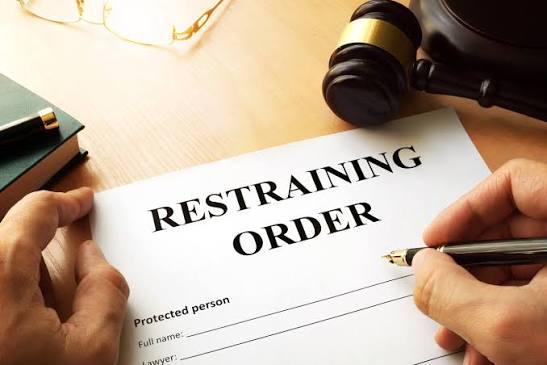
Watching someone you love slip into a crisis is frightening, and that fear grows when the person has access to a gun. Maybe a brother has been talking about ending his life, or a partner has made threats during heated arguments. Many people do not realize that California has a legal tool built for moments like these, and it does not require anyone to be arrested or charged with a crime.
That tool is called a gun violence restraining order, often shortened to GVRO. It allows certain people to ask a judge to temporarily remove firearms from someone who poses a serious danger. Because the rules are specific and the timelines move fast, speaking with a California gun violence restraining order lawyer can help both the person filing and the person named in the petition understand their rights before the first court date.
California passed its gun violence restraining order law in 2014 and was the first state to let family members ask a court directly to remove a loved one’s firearms. The law is often called a “red flag” law, and it begins at Penal Code Section 18100. A GVRO is a civil order, not a criminal conviction, so its purpose is safety rather than punishment. While it is active, the person cannot own, possess, buy, or receive firearms or ammunition, and state court guidance says it can also cover firearm parts, magazines, and body armor. Lawmakers have expanded the law over the years, and since 2023 an order issued after a hearing can last up to five years.
Not everyone can ask for a GVRO. The law limits petitions to people who are likely to see warning signs up close. Immediate family members, such as a spouse, parent, child, sibling, or grandparent, can file, and so can roommates. Law enforcement officers can also file, and they often request emergency orders after responding to a call.
The list reaches into workplaces and schools too. An employer can file a petition. A coworker can file if they have had regular contact with the person for at least a year and have the employer’s approval. A teacher or school employee can file with approval from a school administrator. If you are worried about someone but are not on this list, you can still share your concerns with local police, since officers can file on their own.
A GVRO is not granted just because someone owns guns or said something unkind. The judge looks for signs that the person poses a significant danger of hurting themselves or others with a firearm. Courts weigh factors such as recent threats or violent acts, a pattern of threats over the past year, violations of other protective orders, reckless use or display of a gun, recent firearm or ammunition purchases, and recent alcohol or drug abuse.
The level of proof depends on the type of order. A temporary order can be issued when there is a substantial likelihood of danger in the near future. A longer order after a hearing requires clear and convincing evidence, which is a much higher bar. Specific facts, like saved text messages, dates of incidents, and names of witnesses, carry far more weight than general worries.
An emergency order can be requested by police, often by phone with an on-call judge, and it lasts up to 21 days. A temporary order, also called an ex parte order, can be granted after a petition is filed, sometimes on the same day and without notice to the other person. It also lasts up to 21 days.
The third type is the order after a hearing, which is usually held within about three weeks. Both sides can speak, present evidence, and question witnesses. If the judge grants it, the order lasts from one to five years. It can be renewed if the danger continues, and the restrained person can ask the court one time to end it early.
Once served, the restrained person must give up all firearms and ammunition within 24 hours. They can turn them over to local law enforcement or sell or transfer them to a licensed gun dealer, then file a receipt with the court. Handing guns to a relative who lives in the same home is generally not allowed. Possessing a firearm while the order is active is a crime and can add five more years to the ban.
Being served with a GVRO can feel shocking, especially if you believe the claims are wrong or blown out of proportion. The two most important steps are to surrender your firearms on time and to show up for the hearing. If you do not appear, the judge can grant a long-term order based only on the other side’s account. Be careful about what you say as well, because a GVRO sometimes runs alongside a criminal investigation. Filing a petition with false information or to harass someone is a misdemeanor in California, which offers some protection against misuse.
If someone is in immediate danger, call 911 first. When the situation is serious but not an emergency, start writing down what you have seen and heard, including dates and exact words when possible. Save texts, voicemails, and social media posts that show concerning behavior. There is no court fee to file, and the basic forms are the same across the state. The California Courts self-help guide on gun violence restraining orders explains the forms, the filing steps, and where to find free help at local self-help centers.
It also helps to think about your goal before you file. For many families, the aim is not to punish a loved one but to keep them safe while they get support. A GVRO can work alongside mental health care, counseling, and crisis services during a difficult time.
Does a GVRO give someone a criminal record? No, a GVRO is a civil order and not a conviction. However, keeping or buying a gun while the order is active is a crime that can lead to separate charges.
Can a coworker really take away someone’s guns? A coworker who meets the legal requirements can file a petition, but only a judge can issue an order. The judge must find enough evidence of danger before granting it.
A gun violence restraining order gives California families, coworkers, and police a way to step in before a dangerous situation turns tragic. It also comes with strict deadlines and serious consequences for everyone involved. Whether you are thinking about filing or have just been served, learning how the process works and getting informed guidance early can help protect both safety and fairness.