Physical Address
304 North Cardinal St.
Dorchester Center, MA 02124
Physical Address
304 North Cardinal St.
Dorchester Center, MA 02124

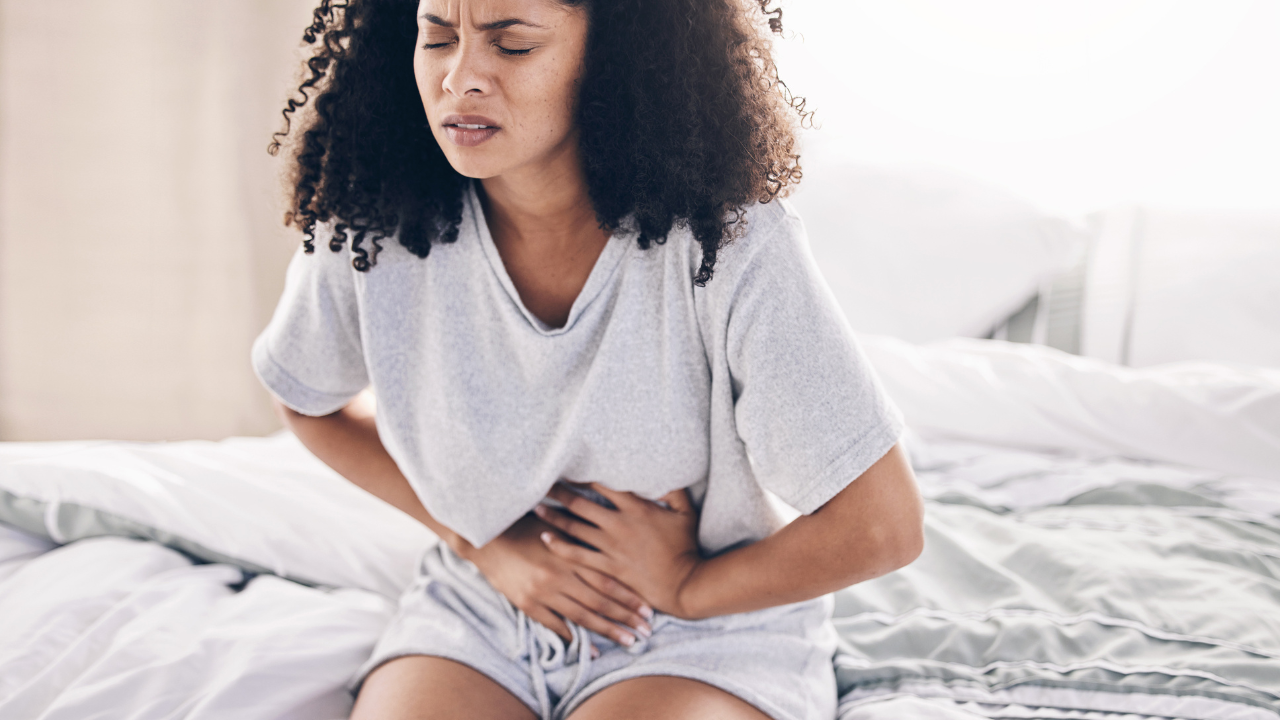
Living with endometriosis can be hard, especially when pain appears without warning. Some days may feel normal, while others bring cramps, bloating, and severe discomfort. These sudden changes are often called flare-ups.
Understanding what may trigger flare-ups can help you manage your symptoms. Here are some common factors that may affect endometriosis pain and what you can do about them.
How Do Hormonal Changes Affect Endometriosis?
Hormones play a major role in endometriosis symptoms. Estrogen can affect the growth and activity of tissue linked to the condition. Changes in hormone levels may also influence pain throughout the month.
Many people notice stronger symptoms before or during their period. Others have pain at different points in their cycle. This makes it hard to predict exactly when a flare-up will happen.
Keeping track of your cycle may help you notice a pattern. Write down when pain starts, how long it lasts, and how strong it feels. Share this information with your doctor to help guide your care.
Why Can Periods Make Symptoms Worse?
Periods are a common time for endometriosis pain to become more severe. During menstruation, the uterus releases chemicals that cause muscle contractions. These chemicals can increase cramps and discomfort.
Endometriosis can also cause swelling and irritation in the pelvis. As a result, period pain may feel much stronger than normal cramps. Some people experience lower back pain, nausea, or pain during bowel movements.
If your period pain stops you from working, studying, or enjoying daily life, speak with a healthcare professional. Severe pain should not be ignored or treated as a normal part of menstruation.
Can Stress Make Endometriosis Flare-Ups Worse?
Stress does not cause endometriosis, but it may affect how you experience pain. When you feel stressed, your muscles can become tense, and your sleep may suffer. This can make existing discomfort harder to manage.
Long periods of stress may also leave you feeling tired and less able to handle daily tasks. For someone living with chronic pain, this can create a difficult cycle.
Simple ways to manage stress include:
What Role Does Inflammation Play?
Inflammation is an important part of endometriosis. Tissue growing outside the uterus can irritate nearby areas and cause swelling. Over time, this may lead to pain and scar tissue.
Inflammation can also affect nearby organs. Some people feel pain around the bladder or bowel, while others notice discomfort across the lower abdomen.
The amount of pain does not always match how much endometriosis tissue is present. Someone with a small amount of visible disease may experience severe symptoms.
For this reason, a proper medical assessment matters. Clinics such as Lotus Endometriosis Institute focus on care for people affected by the condition. Specialist guidance can help patients understand their symptoms and explore suitable treatment options.
Can Certain Foods Trigger More Discomfort?
Some people notice more bloating, cramps, or bowel problems after eating certain foods. However, there is no single food that causes endometriosis flare-ups in everyone.
People with endometriosis may also have other digestive conditions. These can make it difficult to know whether symptoms come from food, the condition itself, or both.
Keeping a food diary may help you spot personal patterns. Record what you eat and how you feel afterward. Avoid cutting out entire food groups without medical advice.
A balanced diet can support general health. Eating fruits, vegetables, whole grains, and other nutritious foods may help you feel better overall, but no diet has been proven to cure endometriosis.
Why Does Pain Sometimes Increase During Exercise?
Regular movement can support your health and mood. However, some people with endometriosis notice more pain during certain activities.
High-impact workouts or movements that place pressure on the pelvic area may feel uncomfortable. Tight pelvic muscles can also make some exercises harder to perform.
This does not mean exercise is harmful for everyone with endometriosis. The key is finding activities that suit your symptoms and energy levels.
You might find these options more comfortable:
How Can Bowel and Bladder Problems Affect Flare-Ups?
Endometriosis can sometimes affect areas near the bowel or bladder. This may cause pain during bowel movements, discomfort when urinating, or pressure in the pelvis.
Bloating and changes in bowel habits can also occur. Some people notice these symptoms more often around their period.
However, bowel and bladder problems do not always come from endometriosis. Infections and other health conditions can cause similar symptoms.
Speak with your doctor if these problems keep returning. A careful assessment can help identify the cause and guide treatment. New or severe symptoms should receive prompt medical attention.
Can Poor Sleep Make Pain Feel Stronger?
Sleep and pain can affect each other. Endometriosis pain may keep you awake, while poor sleep can make it harder to cope with discomfort the next day.
When you feel tired, even small tasks may require more effort. You might also find it harder to focus or manage stress.
Creating a steady sleep routine may help. Try going to bed at the same time each night and keeping your bedroom quiet and comfortable.
You can also limit screen use before bed and avoid large meals late at night. These steps may improve rest, but ongoing sleep problems deserve medical attention.
Why Do Symptoms Sometimes Return After Treatment?
Endometriosis is a long-term condition. Treatment can reduce pain and improve daily life, but symptoms may return over time.
Hormonal medicines can help control symptoms in some patients. Surgery may also remove endometriosis tissue and scar tissue. However, neither approach guarantees that pain will never return.
Some people continue to experience pain due to pelvic muscle problems or other sources of discomfort. This is why follow-up care matters.
Take Control of Your Health, One Step at a Time
Endometriosis flare-ups can be difficult to predict. Hormonal changes, inflammation, poor sleep, and other factors may affect how you feel. Learning your personal symptom patterns can help you make informed choices.
There is no single solution that works for everyone. Regular medical care, healthy routines, and a suitable treatment plan can help you manage symptoms and improve daily life.
Want more helpful information about women’s health and wellness? Explore our other blog posts for simple guides, practical tips, and useful advice to support your health journey!