Physical Address
304 North Cardinal St.
Dorchester Center, MA 02124
Physical Address
304 North Cardinal St.
Dorchester Center, MA 02124

A child returning home from school often has one clear priority: food. The challenge for parents is deciding what to offer when hunger arrives between meals, especially when children have strong preferences for crunchy, sweet, or familiar foods. A thoughtful snack routine can make these moments easier by combining taste, variety, and nourishment. Choosing nutritious snacks for kids does not mean making every snack complicated or turning food into a daily negotiation. It means creating simple choices that fit naturally into a child’s overall eating pattern.
The timing of a snack can affect how useful it is. A child who has eaten breakfast early may need something before lunch, while a child involved in sports after school may need food soon after returning home.
Parents can observe when hunger usually appears and plan around those periods. Snacks served too close to a main meal may reduce appetite, while leaving a very hungry child without food can make it harder to choose calmly.
A predictable schedule can therefore help children recognize the difference between regular meals and occasional hunger.
A snack does more than provide energy. Depending on the food selected, it can contribute protein, fibre, vitamins, minerals, healthy fats, or other nutrients.
For example, fruit can contribute fibre and micronutrients, while curd can provide protein and calcium. Roasted legumes can add protein and fibre, while whole-grain foods can provide carbohydrates and other nutrients.
This does not mean every snack needs to contain every nutrient. The more useful approach is to consider the child’s complete diet across the day.
One simple way to make snacks more satisfying is to combine different food groups. A fruit can be paired with curd, a grain-based food with a protein-rich accompaniment, or a suitable homemade snack with vegetables.
These combinations can provide different nutrients and make nutritious snacks for kids more satisfying until the next meal.
The pairing does not need to follow a complicated formula. Parents can use foods already available at home and rotate combinations throughout the week.
Children do not need an entirely new menu to eat well. Familiar Indian ingredients can form the basis of many practical snacks.
Poha, idli, dhokla, roasted chana, homemade vegetable sandwiches, fruit, curd, makhana, dosa pieces, and other family favourites can be adjusted according to age, preferences, and dietary needs.
This familiar approach can also make snack planning less stressful for parents. Instead of searching constantly for new recipes, families can build variety by changing ingredients, textures, combinations, and preparation methods.
Convenience matters in family life. Parents may not have time to prepare every snack from scratch, particularly on school days or busy evenings.
Wholesome snacks for kids can include suitable packaged options when parents examine the ingredient list and nutrition information and consider how the product fits into the wider diet. Front-of-pack claims should not be the only factor used to assess a food.
Looking at serving size, added sugars, sodium, fats, ingredients, and other relevant information can help parents make more informed choices.
A well-organized pantry can quietly influence what children eat. If parents have several suitable options available, it becomes easier to offer variety without preparing something elaborate every time hunger appears.
Families can keep a mixture of ingredients and ready-to-eat choices that fit their dietary preferences. Fresh fruits and suitable dairy products can be combined with shelf-stable foods and homemade preparations.
The goal is not to create a perfectly stocked pantry. It is to make nourishing options convenient enough to compete with less suitable impulse choices.
A child refusing a food once does not necessarily mean they will dislike it forever. Food preferences can change with age and repeated exposure.
Instead of forcing a child to finish something they dislike, parents can offer small portions alongside foods the child already accepts. Over time, the child may become more comfortable with unfamiliar flavours or textures.
Mealtimes and snack times can remain calmer when parents focus on offering suitable choices while allowing children to gradually develop their own preferences.
Protein is important for children’s growth and development, but parents do not need to depend on one product to provide it. Pulses, beans, lentils, dairy foods, eggs, nuts, seeds, soy foods, and other suitable sources can contribute to daily intake.
Some families may also consider a children nutrition powder when there is a specific nutritional reason. However, such products should not automatically replace regular meals or become a shortcut for an otherwise limited diet.
If a child has poor growth, a diagnosed deficiency, food allergies, restricted eating patterns, or another nutritional concern, parents should seek individualized advice from a pediatrician or qualified dietitian.
A child’s food needs can vary with activity. A day spent playing sports may involve different hunger patterns from a quieter day at home.
After physical activity, a snack containing a combination of carbohydrates and protein may be practical. On less active days, portions and timing can be adjusted according to the child’s appetite and upcoming meals.
Parents do not need to calculate every nutrient after every activity. Observing patterns and maintaining variety across the day is usually a more practical starting point.
Even nutritious food can be unsuitable in an excessive portion. Children’s stomach capacity, appetite, age, and activity levels vary considerably.
Serving a small amount first allows children to ask for more if they remain hungry. It also reduces unnecessary food waste and makes snack time less overwhelming.
Parents can gradually learn the portion sizes that work for their child instead of relying on adult-sized servings.
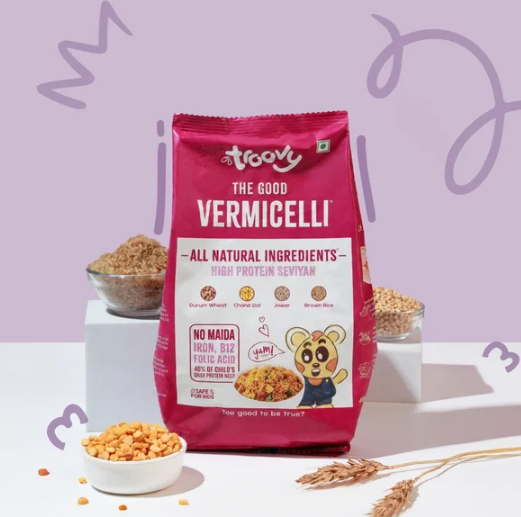
A nutritious snack routine is built from small, repeatable decisions rather than one perfect food. When parents consider timing, variety, ingredients, portions, activity, and the child’s individual needs, choosing wholesome snacks for kids can become a natural part of a balanced eating pattern. For families seeking convenient options to include alongside homemade foods, Troovy provides a range of products that can complement everyday meal and snack planning while giving parents different choices to explore.