Physical Address
304 North Cardinal St.
Dorchester Center, MA 02124
Physical Address
304 North Cardinal St.
Dorchester Center, MA 02124

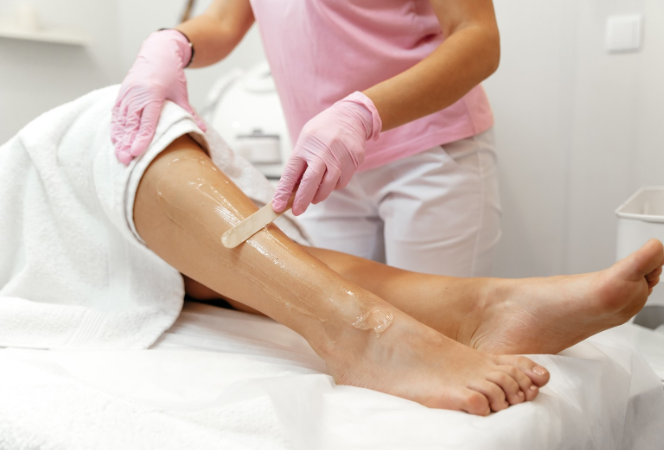
Professional sugaring works best when the paste matches both the hair structure and the specialist’s technique. When comparing sugar wax for salon treatments, density, room temperature, hand temperature, and the selected application method all influence how easily the paste captures and removes hair.
Fine hair needs controlled adhesion without excessive product density, while coarse growth usually requires a paste that maintains its shape and grip. Using one consistency for every client can make treatments slower and less predictable.
Sugar paste is commonly available in soft, medium, and firm consistencies. Density affects how quickly the product warms during use, how easily it spreads, and how well it remains controlled on the treatment area.
Soft paste spreads easily and can suit broad zones with fine or medium hair. Firm formulas retain their consistency longer, which can be useful for coarse hair, warm treatment rooms, and specialists with naturally warm hands. Medium-density paste offers a practical middle option for varied salon services.
Fine hair usually does not require the strongest possible paste. A softer consistency can surround thin hairs efficiently and spread across larger areas without requiring excessive pressure.
Coarse hair behaves differently. Thick, resistant growth needs reliable grip, especially in areas where hair is short or grows in several directions. A firmer paste can provide greater control and resist becoming overly soft during prolonged work.
Several practical combinations can guide product selection:
These distinctions make it easier to keep application controlled without using more product than necessary. The specialist can also adapt the paste to the client instead of changing the entire treatment technique.
The manual sugaring technique relies heavily on the paste remaining workable in the specialist’s hands. Body heat gradually softens the product, so a paste that begins too soft may become difficult to control during a longer procedure.
Spatula application can work well with softer consistencies because direct hand contact is reduced. The product can be spread in a controlled layer and removed according to the professional technique recommended for that formula.
Treatment speed also matters. A specialist who works quickly may prefer a different starting density from someone who keeps the paste in contact with warm skin for longer periods.
Paste density is not fixed once the container is opened. Warm rooms, warm hands, and heated skin soften sugar products during a treatment.
A firmer consistency can be useful during warmer periods or for body areas where skin temperature is higher. In cooler conditions, the same paste may feel unnecessarily dense and require more effort to spread.
ItalWax products can be selected by consistency and intended professional technique, giving salons more flexibility when working under changing conditions.
A salon assortment with two or three clearly different densities usually provides more practical flexibility than several nearly identical formulas. Comparing these properties helps specialists select sugar paste with better control, efficient adhesion, and a consistency suited to everyday professional work.