Physical Address
304 North Cardinal St.
Dorchester Center, MA 02124
Physical Address
304 North Cardinal St.
Dorchester Center, MA 02124

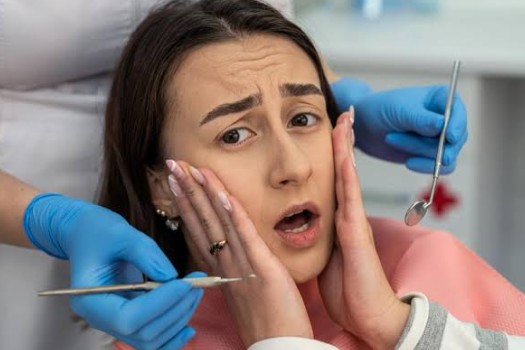
Dental emergencies can occur unexpectedly during daily activities, sports, or meals. Whether a child knocks out a tooth while playing or an adult experiences sudden, severe tooth pain, knowing how to respond quickly makes a significant difference in saving a tooth and reducing discomfort.
While home management cannot replace professional clinical treatment, immediate action stabilizes trauma and prevents secondary infections. Having a clear action plan empowers families to handle sudden oral injuries calmly and effectively before arriving at a dental office.
Physical impacts to the mouth require swift, structured responses. The first few minutes following a traumatic injury determine whether damaged tissues can recover successfully.
A knocked-out adult tooth is one of the most time-sensitive dental emergencies. Always handle the tooth by the top crown, avoiding direct contact with the delicate root surfaces. If the tooth is dirty, rinse it gently with milk or saline solution without scrubbing.
Attempt to reinsert the tooth into the socket if possible, holding it in place with clean gauze. If reinsertion is not feasible, place the tooth in a small container of milk or balanced salt solution to keep the periodontal ligament cells alive. Seeking immediate care within one hour provides the highest chance of successful reimplantation.
When a tooth chips or cracks due to trauma, rinse the mouth thoroughly with warm water to clean the area. Collect any broken tooth fragments and store them in milk. Apply a cold compress to the outside of the cheek to minimize swelling and reduce pain. Avoid applying topical pain relievers directly to gums, as concentrated chemicals can burn soft oral tissues.
Injuries to the lips, tongue, or inner cheeks often bleed heavily due to rich blood vessel networks in the mouth. Apply direct pressure using sterile gauze or a clean cloth for fifteen minutes. If bleeding persists after continuous pressure, emergency medical care may be required.
Not all dental emergencies involve physical impact. Severe toothaches and localized infections can escalate quickly, indicating underlying problems within the tooth pulp or gum tissues.
Sudden tooth pain often stems from deep decay, cracked fillings, or debris wedged tightly between teeth. Rinse the mouth with warm salt water to soothe irritated gums and loosen trapped particles. Gently use dental floss to remove trapped food debris around the aching tooth. Never use sharp objects to dislodge trapped items, as sharp tools can puncture gum tissue or damage enamel.
A dental abscess is a serious bacterial infection that forms at the root of a tooth or within gum tissue. Symptoms include throbbing pain, localized swelling, fever, a bad taste in the mouth, and pimple-like bumps on the gums.
Rinsing with salt water helps draw out fluid and reduce discomfort temporarily. Because oral infections can spread to surrounding facial tissues, consulting an experienced dentist in Layton promptly is critical for antibiotic therapy and infection control.
Being prepared for dental accidents requires keeping specific supplies accessible at home and during family travel.
Preventing traumatic injuries is just as vital as treating them. Children and adults participating in contact sports or high-impact activities should wear custom-fitted mouthguards. Mouthguards cushion physical impacts, protecting teeth, lips, and jaw joints from severe trauma.
While most dental issues are handled in a dental clinic, certain severe symptoms require immediate hospital emergency room evaluation.
If a mouth injury causes uncontrolled bleeding, difficulty breathing, trouble swallowing, or severe jaw fractures, visit an emergency room immediately. Systemic symptoms like high fever accompanying facial swelling also demand urgent emergency medical intervention to prevent infection complications.