Physical Address
304 North Cardinal St.
Dorchester Center, MA 02124
Physical Address
304 North Cardinal St.
Dorchester Center, MA 02124

You shave, the area looks smooth, and then the same small bumps return a day or two later. It can feel as though the skin never fully resets.
The reason is often not one isolated mistake. Recurring bumps usually involve a cycle connected to how closely the hair is cut, how it grows back, and what happens to the skin between grooming sessions.
A razor can leave a short hair with a sharp edge. As it begins to regrow, the hair may curve back into the skin instead of moving cleanly through the follicle opening.
This is more common with coarse or tightly curled hair, although anyone who removes facial or body hair can experience it. Shaving against the direction of hair growth, stretching the skin, or pressing the razor firmly may create an especially close cut. This can make it easier for the new hair to grow inward.
The affected area may then become raised, itchy, sensitive, or darker than the surrounding skin. Shaving over the same area before it has settled can irritate it again and restart the cycle.
Bump-prone skin usually responds better when preparation, shaving technique, and aftercare work together.
Begin by softening the hair with warm water. Apply a shaving cream or gel that allows the razor to move smoothly across the skin. Use a clean, sharp razor and make short passes in the same direction as the hair grows.
Try not to press firmly or repeatedly shave the same patch. A small amount of visible hair may be preferable to an extremely close shave that leaves the skin feeling sore.
After shaving, rinse the area gently and apply a cool, damp cloth for a few minutes. Clothing also matters. Tight collars, waistbands, or workout fabrics can rub freshly shaved areas and increase friction while the skin is still sensitive.
Many grooming routines focus only on the few minutes spent using a razor. However, the days between shaves can play an equally important role in helping the skin recover.
Gentle cleansing and regular moisturising support the skin barrier. Careful exfoliation may also help remove dead skin that can block the natural path of new hair growth. Scrubbing should remain light, especially when the area already feels tender.
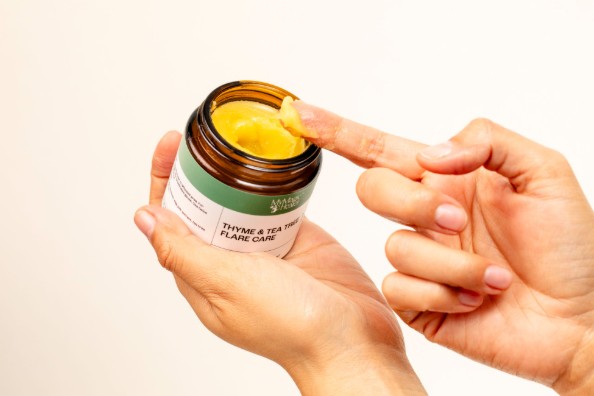
People comparing care options for razor and ingrown bumps should consider how their skin responds to ingredients such as fragrance, essential oils, or exfoliating acids. Testing a new topical product on a small patch of skin can help identify sensitivity before it is used across a larger area.
Avoid picking, squeezing, or digging into a bump to release a trapped hair. Doing so may damage the skin, increase irritation, and contribute to lasting marks.
An occasional bump will often improve as the hair continues to grow. Professional advice may be helpful when bumps appear frequently, become painful, feel unusually warm, release fluid, or leave persistent scars and dark marks.
Pausing hair removal can give the area time to settle. A pharmacist, doctor, or dermatologist can also help determine whether the irritation is caused by ingrown hairs or another skin concern.
The goal is not simply to respond to each bump after it appears. It is to reduce the close cutting, friction, blocked growth, and repeated irritation that keep the pattern going. When shaving habits and between-session care work together, bump-prone skin has a better opportunity to remain calm and comfortable.