Physical Address
304 North Cardinal St.
Dorchester Center, MA 02124
Physical Address
304 North Cardinal St.
Dorchester Center, MA 02124

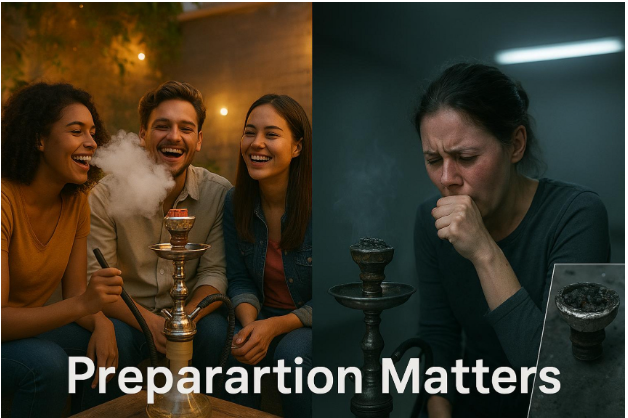
Have you ever noticed that some hookah sessions taste full and smooth with thick clouds, while others quickly become harsh and burnt? The main reason is heat management, which many people overlook. It’s not only about lighting coals. It’s about keeping the heat at the right level so your bowl smokes well for the whole session. If the heat is wrong, you can burn the tobacco, end up with bad flavor, get thin smoke, and finish much sooner than you wanted.
Good heat control is what separates an average session from a great one, and it helps the flavor in your mix-whether you use classic shisha tobacco or newer options like shisha stones-come through clearly.
To get the best hookah session, you need to pay attention to this key step. This means controlling coal heat so the tobacco warms evenly and makes smooth smoke that doesn’t taste bitter. Learning this helps both beginners and long-time smokers and turns hookah from “just smoking” into something you can really enjoy.
Heat management is one of the biggest factors that controls the taste and smoothness of hookah smoke. It’s a balance between too hot and too cool, and small changes can quickly change the session. With the right heat, shisha releases its full flavor and feels smooth. With the wrong heat, the session can go bad fast.
Heat control also affects more than flavor. It changes how long the session lasts, how steady your smoke output is, and how comfortable the session feels. Skipping this basic step is one of the most common reasons people get frustrated with hookah.
Heat and shisha work together through a sensitive process. When the temperature is right, the molasses and flavors warm up and turn into vapor, which creates thick, tasty clouds. That vapor is what gives you strong flavor and a smooth feel. If the heat is too low, those parts don’t vaporize enough, so the smoke is light, weak, and doesn’t taste like much.
If the heat is too high or uneven, the results are usually bad. Too much heat burns the tobacco. Instead of vaporizing, sugars and flavorings start to char. This brings a sharp, burnt taste that covers up the real flavor and can make the smoke rough on your throat and eyes.
Bad heat control causes many common hookah problems. The fastest warning sign is harsh smoke and a burnt taste. This happens when the bowl gets too hot and the tobacco scorches early, creating bitter flavors that ruin the session. It can also lead to coughing and general discomfort.
On top of taste issues, overheating can add to “hookah headaches.” Headaches can have more than one cause, but burnt, rough smoke-often combined with extra carbon monoxide from coals that aren’t burning well-can make headaches more likely. Overheating also cuts the session short because the tobacco loses flavor much faster, which wastes shisha and ends the session early.
There are clear benefits when you control heat well. First, you get steady results. With the right heat, each puff stays smooth and flavorful from the start to the end. You avoid the annoying cycle of strong smoke one minute and burnt or weak smoke the next.
Second, good heat control improves smoothness. If you keep the bowl from burning, you avoid the sharp feeling that comes with too much heat. The smoke stays cooler, thicker, and easier to inhale. Third, proper heat control makes sessions last longer. When shisha warms evenly, it uses flavor more slowly, so you can enjoy good smoke for more time with fewer coal moves or replacements.
To manage heat well, it helps to understand how heat is made and how it moves through your setup. It’s more than putting coals on top. Heat starts at the charcoal and then moves through the bowl until it turns shisha into vapor that you pull through the hookah.
Hookahs are built to warm shisha gently so the flavored molasses turns into the clouds people want. When you break down the process, it becomes clear why each part-charcoal, foil or HMD, and the bowl-matters so much.
In a traditional hookah setup, charcoal is the main heat source and has been used for a very long time. Coals should not touch the shisha directly (in a normal setup). Instead, they sit above the bowl and push heat down into the tobacco. The kind of coal you use, the size, and how many you add all change how strong the heat is, which can make the session smooth or rough.
Coal quality matters because it affects how clean the heat is and whether you get extra smells. Coals that are fully lit and covered in ash give steady heat, so the shisha flavor comes through without chemical smells or a “half-lit” coal taste.
Heat moves to the shisha in three main ways: conduction, convection, and radiation. Conduction happens when coals touch foil or a Heat Management Device (HMD) and heat travels through that surface. Convection happens when hot air moves through the bowl and warms the molasses and flavoring in the shisha. This air moves through the packed tobacco and helps heat it more evenly.
Radiation is the heat that spreads out from glowing coals and warms the top area of the bowl. When these three types of heat work together well, you get smooth smoke without harsh or burnt flavors, and the shisha can give its full taste.
Your charcoal choice is one of the first decisions that affects heat control. It changes how fast you can start, how the session tastes, and how long it lasts. Coals are not all the same, and knowing the basics makes it easier to choose.
Most hookah smokers use two main types: natural coals and quick-light coals. Each one has pros and cons, and each one changes how you manage heat during the session.
Natural coconut coals are often seen as the best pick for people who want the cleanest hookah sessions. They are made from compressed coconut shells and usually burn longer, more evenly, and with less smell than quick-lights. Their steady heat makes it easier to avoid burning the tobacco.
They give several benefits: less ash and less coal smell, which helps keep flavor clean. They also burn slower and often feel easier to control, lowering the chance of scorching. They do need a burner to light, but many smokers prefer them because they last longer and taste cleaner. They are also made from a renewable material. Popular brands include Coco Mazaya and Coco Nara.
Quick-light coals are popular because they are easy to start. You can light them with a normal lighter, which is helpful if you don’t have a burner or want a fast setup. The downside is that they often make heat control harder and can hurt flavor.
Quick-lights can burn hotter and less evenly and often give rougher smoke. They also include chemicals that help them light quickly. If you don’t let them fully burn and ash over, you may taste those chemicals in the session, which can ruin it. They also burn faster, so you usually get less control and a shorter session. Three Kings is a common brand in this group.
Hookah smokers use different ways to control heat. Some methods are traditional and hands-on, while others use newer tools for steadier control. The best method depends on what you like, what you’re smoking, and what type of session you want.
These methods range from simple foil setups to modern devices that make heat control easier.
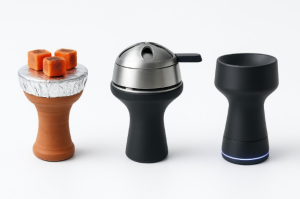
Before modern heat devices became common, most people used foil and charcoal, and many still do. With this method, you stretch aluminum foil over the bowl and poke holes in it so air can flow. Then you place coals on top. Heat moves through the foil and warms the tobacco below.
Foil is popular because it’s cheap, easy to find, and flexible. You can change the number of holes, the hole pattern, and where you place coals to control heat. Many people also enjoy the simple routine of setting it up this way. The downside is that it takes practice and regular coal movement to avoid hot spots and keep heat even.
Heat Management Devices (HMDs) became very popular around 2013 and are now common hookah accessories. They are made to give steadier heat and easier control, and they often replace foil (or sometimes work with it).
An HMD sits on top of the bowl and holds coals inside a metal unit, usually aluminum or stainless steel. It spreads heat more evenly, keeps ash out of the bowl, and lets you control airflow with vents. This often leads to longer sessions, cleaner flavor, and less chance of burning, without moving coals as often.
Electric hookah heaters are a newer option that removes charcoal completely. Instead, they use electric coils or induction-style heating to warm the shisha. They give very exact temperature control, so the heat stays steady during the session.
Electric heaters are clean and don’t produce ash, coal smoke, or coal smell. They also cut down on waste. They can be safer indoors because there’s no open flame, and many include sensors and auto shut-off. Some traditional smokers feel electric heating does not match the deeper taste that charcoal can give, and the flavor may feel very “clean” and light. They work well for people who want steady control or places where open flames are not allowed.
Great heat management comes from the full setup, not only the coals. The parts you choose need to work well together so heat spreads evenly and stays under control.
When you understand how your gear works as a system, it’s easier to adjust heat for different shisha flavors and bowl types.
The bowl affects how heat spreads and how long it stays. Bowl material and shape both matter. Traditional clay bowls, like Egyptian bowls, hold heat well and give a classic session style.
Silicone bowls, like the Kaloud Samsaris, are durable and often spread heat evenly. They can also be easier to clean. Glass bowls like Lavoo can taste very clean and look nice, but you must heat them carefully to avoid cracking. Phunnel and vortex bowls help keep juices in the bowl instead of letting them drip down the stem, which can help flavor last longer, especially with wetter shisha.
Picking the right bowl for your shisha and heat method can change how the whole session performs — and if you are unsure where to start, Shisha Boutique offers a wide selection of bowl types to suit different styles and preferences.
If you use foil, both foil thickness and hole pattern matter more than most people think. One layer of regular foil is thin and lets heat hit the tobacco fast. This can work for some shisha, but it can also burn the bowl quickly. Two layers of regular foil, or one layer of heavy-duty foil, slows the heat down and helps prevent burning. You may need slightly more coal to get the bowl going.
The hole pattern affects airflow and even heating. Small, evenly spaced holes (made with a toothpick or pin) usually work best. If holes are too large and spread out, you can get hot spots. If you make too many tiny holes, airflow can drop and the smoke can feel weak. The goal is steady airflow and even heat across the whole bowl.
HMDs have changed how many people manage heat. Below are a few well-known choices:
The Kaloud Lotus series is one of the most common HMD options and has been a standard choice for many smokers. The Kaloud Lotus Plus was one of the first widely used HMDs. It was made to pair well with Samsaris Vitria bowls, but it also works well with many “lipped” bowls or bowls close to 3 inches wide. It has a vented lid to adjust airflow and raised ridges to help stop coals from going out.
The Kaloud Lotus 2.0 came next, with changes that help air move better so coals stay lit. It includes a removable “key” handle and extra space inside for more (or bigger) coals. The newest model, the Kaloud Lotus 3.0, keeps the same general idea, using quality aluminum for fast heating, a heat-resistant silicone handle, and a rotating vented lid for heat adjustments. Kaloud also has a stainless steel Lotus 3.0 for people who want more heat, since steel holds heat longer and can be preheated on a burner.
The AppleOnTop Provost is another popular and flexible option. It was made by the same company that makes Apple On Top bowls, and it fits them well. It can also be used on top of a normal foil setup on many other bowls. It helps keep coals a bit farther from the shisha, which slows down burning while still giving enough heat for strong smoke.
The Provost has a vented lid so you can control how much heat stays inside. It mixes the feel of a foil setup with the control of an HMD. Small bumps on the base raise the coals slightly, which helps lower the risk of burning.
The AO Stainless Steel HMD is a solid, one-piece device known for strong heat hold. Since it’s stainless steel, it holds heat better than aluminum, so you may be able to use less coal. It has vents on the bottom and sides for good airflow, and it does not include a lid. AO found that many smokers rarely use a lid except during the first warm-up or to help coals that are dying.
Chimney-style screens, like the Amira Bowl Chimney or the AO Badcha, are simpler and often cheaper. They can work with many bowl types, including many traditional bowls and some phunnel bowls. They lift coals away from the shisha, keep airflow moving, and make it easier and safer to move coals around. You can also place them on top of foil and still get the benefits of lifted heat and improved airflow.
Even with good gear, heat control still comes down to what you do during the session. These are the small actions that turn the “rules” into steady, enjoyable smoke. It takes attention, practice, and small changes as the coals burn down.
From bowl prep to coal handling, each step affects the heat balance that makes a hookah session taste right.
How you pack shisha changes airflow and how evenly heat spreads. A light, even pack just under the rim helps airflow and helps the shisha warm evenly. Fluff the tobacco so it’s not clumped together, and remove big stems if you see them, since they can create uneven spots. Don’t pack too tight, because tight packing blocks airflow and can cause harsh smoke and burning.
But don’t pack too loose either, because heat can hit unevenly and the session can feel weak. Keep the surface level and leave a small space so foil or an HMD sits above the shisha without pressing into it. Different brands handle heat differently, so test small changes until you find what works best for each flavor.
Where you place coals and how often you move them matters a lot. At the start, place coals around the edge, spaced evenly (two coals across from each other, or three in a triangle). Some people let coals hang slightly off the edge at first so the bowl warms up slowly instead of getting hit with heavy heat right away.
After about 10 to 15 minutes, rotate the coals. Tap them gently on the tray to remove ash, flip them, and place them on a fresh area. This helps heat the bowl evenly and gives hotter spots time to cool. Over time, you can move coals slightly inward. As coals get smaller, they lose heat, so they often need to sit closer to the center to keep smoke strong and keep the session going.
Wind covers can help keep heat steady, but you don’t always need one. They trap heat around the coals and block drafts that cool coals down too fast. This can help your coals last longer and can also let you use fewer coals in some setups.
If your session feels weak but adding another coal might burn the bowl, a wind cover can raise heat slightly without going too far. If the bowl gets too hot, removing the wind cover lowers heat quickly. Many experienced smokers keep one nearby, especially for outdoor sessions or rooms with airflow.
Even with good planning, heat issues can still happen. Being able to spot problems early and fix them fast can save a session. Most common problems-burnt taste, weak smoke, short sessions-come from heat being too high or too low.
Once you know the signs, you can avoid ruined bowls and get smoother, better flavor more often.
The clearest sign of too much heat is a burnt, bitter, harsh taste. You may also notice that the shisha flavor is muted or gone because the tobacco is scorching. The smoke may feel sharp and irritating, and you might smell something burning from the bowl.
If you look at the shisha, the top layer may be dry, dark, or burnt. To fix overheating, remove a coal right away or move coals to the edge. If you use an HMD, open the vents. If you use a wind cover, take it off. Wait a few minutes for the bowl to cool before you keep smoking, and rotate coals to fresh spots so the overheated area can recover.
Weak smoke-thin clouds and dull flavor-usually means the bowl doesn’t have enough heat. If coals aren’t hot enough, or you don’t have enough of them, the shisha won’t vaporize well. That means less flavor and less smoke.
Weak smoke can also come from airflow problems, like packing too tightly or making too few holes in foil. To fix it, raise heat slowly: add a coal if your bowl size can handle it, close HMD vents a little, or use a wind cover to keep more heat in. Also check that your pack allows airflow.
Burnt shisha almost always comes from too much heat. Headaches can happen from rough smoke, and they can also be linked to higher carbon monoxide from coals that are not burning cleanly. The best prevention is controlled heat from the start: begin with fewer coals, keep them on the edges, and let the bowl warm up slowly.
Natural coconut coals usually give cleaner, steadier heat. If you use quick-lights, let them fully ash over before you put them on the bowl so you don’t taste the chemicals. Keep airflow open by avoiding tight packs and by using a good foil hole pattern or HMD vent settings. If you taste burning, lower heat right away. To help avoid headaches, smoke in a well-ventilated area, drink water, and focus on smooth smoke instead of pushing the bowl too hot for bigger clouds.
A main reason to learn heat control is to make sessions last longer without constant fixing. Most people don’t want a session that dies early or needs nonstop coal moving. Longer sessions come from smart setup and small, regular actions.
With a few habits, you can keep coals working well, keep flavor steady, and keep smoke output strong for more time.
Long sessions depend on keeping coals strong. Quality coconut coals are usually best for long, even heat. As coals burn, they shrink and build up ash, which can block airflow and reduce heat transfer. Rotate coals every 10-15 minutes and tap off ash so they can “breathe” and burn cleaner.
When coals get too small and weak, replace them with fresh coals that are fully lit. Many sessions need new coals after about 45-60 minutes. An HMD can also help sessions last longer because it holds and spreads heat better, which may help coals last longer and reduce how often you need to adjust. A wind cover can also help coals last, especially outside.
Heat control can feel confusing at first, and both new and experienced smokers often have the same questions. Clear answers make the process easier and help you take control of your sessions.
Your hookah is too hot if the smoke tastes burnt, bitter, or very harsh. Your throat or eyes may feel irritated, and the shisha flavor may be weak or missing. The smoke may feel sharp, and coals may look extremely bright. If you check the bowl, the top layer of shisha may look dry, dark, or burnt. If you notice these signs, lower the heat right away by removing coals, opening HMD vents, or removing a wind cover.
Yes. You can smoke hookah without an HMD by using foil stretched over the bowl, poking holes, and placing coals on top. This is the classic method and is still popular because it’s simple and easy to access. The trade-off is that it needs more hands-on work, including proper hole patterns and regular coal rotation, to keep heat steady and avoid burning.
Always use tongs to handle coals. After the session, let coals cool completely. Never throw warm coals into a trash can, since they can start a fire. Put used coals in a non-flammable container, like a metal bucket with water or sand, and leave them there until they are cold. Once they are fully cool, you can throw them away with normal household waste. Let all heat-related parts cool before cleaning or storing them.
Good heat management is more than a trick-it’s a skill you build over time that makes every session better and more enjoyable. It’s the difference between just smoking and actually enjoying the flavor. The basic rules stay the same, but different shisha, bowls, and tools give you new chances to adjust and find the right “sweet spot” for taste and clouds.
Also remember that a great session depends on a clean, well-kept setup. Cleaning your hookah and HMD after each use helps prevent old flavors from mixing into new bowls and helps everything work as it should. Check your hookah for loose parts, damaged pieces, and worn seals before you smoke. With smart habits, small adjustments during the session, and a willingness to experiment, you can get longer sessions, better flavor, and smoother smoke almost every time.