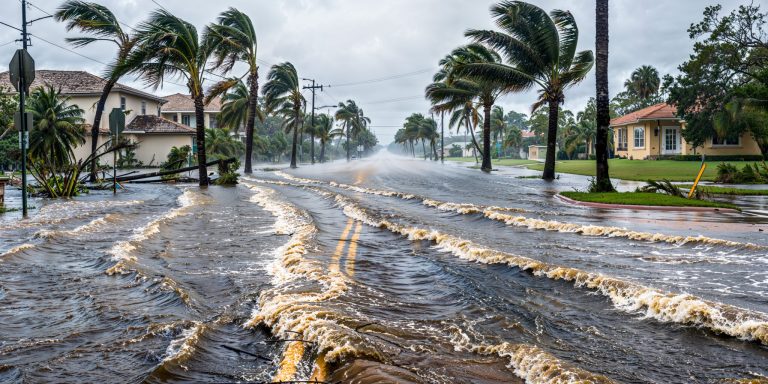
Hurricane season in Florida spans from June 1st through November 30th annually, representing six months of heightened storm activity that can bring devastating winds, flooding, and property damage across the Sunshine State.
Florida faces unique vulnerability due to its extensive coastline, flat topography, and position directly in the path of Atlantic and Gulf of Mexico storm systems. Understanding the timing, preparation requirements, and safety protocols becomes essential for every Florida resident, business owner, and visitor during these critical months.
Official Hurricane Season Timeline and Key Dates
When is hurricane season in florida follows the Atlantic basin schedule established by the National Hurricane Center, creating a standardized timeframe for storm preparation and monitoring activities.
Standard Season Structure
Official Season Dates:
- Start Date: June 1st annually
- End Date: November 30th annually
- Total Duration: 6 months (182 days)
- Peak Activity Period: August 15th – October 15th
2025 Season Predictions and Forecasts
Meteorological Outlook for 2025:
NOAA’s outlook for the 2025 Atlantic hurricane season predicts a 60% chance of an above-normal season, with AccuWeather forecasting 13 to 18 named storms could impact the East Coast. The predictions indicate increased storm activity compared to typical years.
Expected Storm Activity:
| Forecast Source |
Named Storms |
Hurricanes |
Major Hurricanes |
| NOAA |
14-21 |
6-11 |
2-5 |
| AccuWeather |
13-18 |
7-10 |
3-5 |
| Colorado State |
16 |
8 |
4 |
| Tropical Storm Risk |
15 |
7 |
3 |
Peak Hurricane Activity Months in Florida
Florida hurricane season peak months occur during late summer and early fall when atmospheric conditions align to create optimal storm development environments.
Monthly Risk Assessment
August – The Beginning of Peak Season:
- Water temperatures reach maximum warmth (84-86°F)
- Atmospheric wind shear decreases significantly
- African dust levels diminish allowing storm development
- Historical average: 2.3 named storms per August
September – Maximum Threat Period:
- Highest monthly storm frequency in Atlantic basin
- Peak Cape Verde season bringing long-tracked storms
- Optimal upper-level atmospheric patterns
- Historical average: 3.1 named storms per September
October – Continued High Risk:
- Gulf of Mexico storms become more common
- Late-season rapid intensification events increase
- Cooler northern waters concentrate activity southward
- Historical average: 2.1 named storms per October
Regional Variations Across Florida
Atlantic Coast Vulnerability:
- Peak Months: August through October
- Primary Threats: Cape Verde hurricanes, coastal flooding
- Most Vulnerable Areas: Palm Beach, Broward, Miami-Dade counties
- Storm Approach: Typically from east or northeast
Gulf Coast Exposure:
- Peak Months: August through September
- Primary Threats: Rapid intensification storms, storm surge
- Most Vulnerable Areas: Tampa Bay, Southwest Florida, Panhandle
- Storm Approach: Usually from west or northwest
Florida Keys Special Considerations:
- Extended Season: May through November
- Dual Threat: Atlantic and Gulf systems
- Unique Risks: Complete evacuation challenges, limited shelter options
- Storm Impact: Often experiences both sides of hurricanes
Florida Hurricane Preparedness 2025: Essential Planning
Florida hurricane preparedness 2025 requires comprehensive planning that addresses evolving storm patterns, updated building codes, and enhanced forecasting capabilities.
Pre-Season Preparation Timeline
May Preparation Activities:
- Review and update emergency supply kits
- Inspect property for storm vulnerabilities
- Update insurance policies and documentation
- Schedule tree trimming and property maintenance
June 1st Activation Checklist:
- Finalize evacuation plans and routes
- Test emergency communication devices
- Verify generator function and fuel supplies
- Confirm family emergency contact information
Essential Supply Kit Components
Water and Food Provisions:
Emergency kit includes all essential items such as non-perishable food, water (at least one gallon per person per day for three days), though experts recommend extending supplies to cover one week minimum.
Water Requirements:
- Minimum: 1 gallon per person per day for 3 days
- Recommended: 1 gallon per person per day for 7 days
- Pet Needs: 0.5 gallons per pet per day
- Additional Uses: Personal hygiene, food preparation, medical needs
Non-Perishable Food Categories:
| Food Type |
Recommended Quantity |
Storage Notes |
| Canned goods |
3-7 days supply |
Rotate stock every 6 months |
| Dried fruits/nuts |
2 pounds per person |
Airtight containers |
| Protein bars |
12-24 bars per person |
Check expiration dates |
| Crackers/cereals |
4-6 boxes per family |
Moisture-proof storage |
| Baby formula |
7-day supply |
Special dietary requirements |
Medical and Safety Equipment
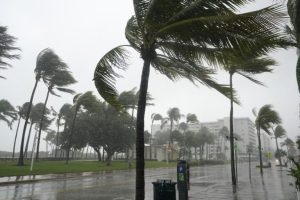
First Aid Essentials:
- Prescription medications (30-day supply minimum)
- Basic first aid kit with bandages and antiseptics
- Thermometer and blood pressure monitor
- Emergency contact list for healthcare providers
- Medical history documentation in waterproof container
Communication and Lighting:
- Battery-powered or hand-crank radio
- NOAA Weather Radio with emergency alerts
- Multiple flashlights with extra batteries
- Cell phone chargers (portable battery packs)
- Emergency whistle for signaling help
Florida Storm Tracking and Monitoring Systems
Florida hurricane tracking 2025 incorporates advanced meteorological technology and multiple information sources for accurate storm monitoring.
Official Tracking Resources
National Hurricane Center (NHC):
- Real-time storm position updates every 6 hours
- Hurricane watch and warning issuance
- Storm surge predictions and evacuation recommendations
- 5-day forecast cone projections
Local Emergency Management:
- County-specific evacuation zone maps
- Shelter location and capacity information
- Road closure and transportation updates
- Local hazard notifications and alerts
Advanced Tracking Technology
Satellite Monitoring Systems:
- GOES-East and GOES-West satellite imagery
- High-resolution visible and infrared imagery
- Rapid scan sectors for developing storms
- Lightning detection and convective analysis
Hurricane Hunter Aircraft:
- Direct storm penetration for pressure readings
- Wind speed measurements at flight level
- Dropsondes for atmospheric profiling
- Real-time data transmission to forecasters
Regional Risk Assessment Across Florida
Florida coastal areas at risk vary significantly based on geographic location, elevation, and historical storm patterns.
High-Risk Coastal Zones
Southeast Florida (Miami-Dade to Palm Beach):
- Historical Impact: 67 hurricanes since 1851
- Primary Threats: Storm surge, urban flooding, high winds
- Vulnerable Infrastructure: High-rise buildings, barrier islands
- Evacuation Challenges: Dense population, limited routes
Southwest Florida (Collier to Pinellas):
- Historical Impact: 48 hurricanes since 1851
- Primary Threats: Storm surge up to 15 feet, rapid intensification
- Vulnerable Areas: Naples, Fort Myers, Tampa Bay region
- Special Concerns: Retirement communities, mobile home parks
Northeast Florida (Duval to Flagler):
- Historical Impact: 31 hurricanes since 1851
- Primary Threats: River flooding, coastal erosion, tornadoes
- Vulnerable Infrastructure: Historic downtown areas, river cities
- Unique Risks: St. Johns River flooding, beach erosion
Interior Florida Considerations
Central Florida Risks:
- Wind Damage: Hurricanes maintain strength inland
- Tornado Activity: Enhanced by hurricane spiral bands
- Flooding: Lakes and rivers overwhelmed by rainfall
- Power Outages: Extended outages due to tree damage
North Florida and Panhandle:
- Gulf Storm Vulnerability: Rapid approach from Gulf waters
- Tornado Threat: High frequency in hurricane outer bands
- Flooding Issues: River systems and low-lying areas
- Agricultural Impact: Significant crop and livestock losses
Emergency Shelters and Evacuation Procedures
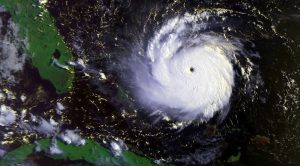
Florida hurricane shelters operate under strict capacity and safety guidelines established by state emergency management authorities.
Shelter Classification System
Public Emergency Shelters:
- Capacity: Based on available square footage per person
- Pet Policy: Designated pet-friendly shelters available
- Medical Needs: Special needs shelters for health equipment
- Registration: Pre-registration recommended for special needs
Enhanced Shelters:
- Wind Rating: Designed for Category 3+ hurricane winds
- Location: Typically newer schools and community centers
- Amenities: Better ventilation, backup power, food service
- Capacity Limits: Strict occupancy based on building ratings
Evacuation Zone Classifications
Zone Determination Factors:
| Zone Level |
Storm Surge Height |
Evacuation Timing |
Affected Areas |
| Zone A |
1-3 feet |
Category 1+ |
Immediate coastline |
| Zone B |
4-6 feet |
Category 2+ |
1-2 miles inland |
| Zone C |
7-9 feet |
Category 3+ |
2-5 miles inland |
| Zone D |
10-12 feet |
Category 4+ |
5-10 miles inland |
| Zone E |
13+ feet |
Category 5 |
10+ miles inland |
Transportation and Route Planning
Evacuation Route Management:
- Contraflow Operations: Reversing traffic lanes for outbound flow
- Fuel Availability: Strategic fuel reserves along evacuation routes
- Traffic Management: Law enforcement coordination for smooth flow
- Alternative Routes: Secondary roads when interstates become congested
Special Population Considerations:
- Elderly Residents: Assisted transportation programs
- Disabled Individuals: Wheelchair-accessible evacuation vehicles
- Pet Owners: Pet-friendly transportation and shelter options
- Low-Income Families: Free evacuation transportation services
Historical Hurricane Impacts and Lessons Learned
Worst hurricanes in florida history provide crucial insights for modern preparation and response strategies.
Catastrophic Historical Events
Labor Day Hurricane (1935):
- Category: 5 at landfall
- Location: Florida Keys
- Impact: 423 deaths, complete destruction of railroad
- Lessons: Evacuation timing critical for island communities
Hurricane Andrew (1992):
- Category: 5 at landfall
- Location: South Florida
- Impact: $27.3 billion damage, 65 deaths
- Lessons: Building code improvements, emergency communication
Hurricane Charley (2004):
- Category: 4 at landfall
- Location: Southwest Florida
- Impact: Rapid intensification surprised residents
- Lessons: Importance of continuous monitoring during approach
Recent Significant Impacts
Hurricane Ian (2022):
- Category: 4 at landfall
- Location: Southwest Florida
- Casualties: 146 deaths statewide
- Damage: $112.9 billion in losses
- Key Lessons: Storm surge devastation, inland flooding risks
Hurricane Irma (2017):
- Category: 4 approaching, 2 at landfall
- Location: Florida Keys to Georgia border
- Impact: Statewide power outages, 6.8 million without electricity
- Key Lessons: Preparation for extended power outages essential
Building Code Evolution
Post-Andrew Improvements:
- Wind Rating Requirements: Enhanced for coastal construction
- Roof Attachment: Stronger connections to resist uplift
- Window Protection: Impact-resistant glass or shutters mandatory
- Flood Resistance: Elevated construction in flood-prone areas
Modern Construction Standards:
- Category 3 Wind Resistance: Required for new coastal construction
- Surge-Resistant Design: Elevated utilities and breakaway walls
- Backup Power Systems: Integrated generator connections
- Storm-Resistant Landscaping: Native plants and strategic tree placement
Insurance Considerations and Financial Protection
Florida hurricane insurance info includes specialized coverage requirements unique to the state’s hurricane exposure.
Insurance Coverage Types
Homeowners Insurance Standard Coverage:
- Wind Damage: Covered under standard policies
- Hail Damage: Included in standard coverage
- Falling Objects: Trees and debris damage covered
- Exclusions: Flood damage requires separate policy
Flood Insurance Requirements:
- NFIP Policies: National Flood Insurance Program coverage
- Waiting Period: 30-day waiting period for new policies
- Coverage Limits: Structure and contents covered separately
- Cost Factors: Based on flood zone and elevation
Hurricane Deductibles
Standard Deductible Structure:
| Hurricane Category |
Typical Deductible |
Policy Application |
| Tropical Storm |
Standard deductible |
Normal policy terms |
| Category 1-2 |
2-5% of dwelling value |
Hurricane-specific deductible |
| Category 3+ |
5-10% of dwelling value |
Higher deductible tier |
| Named Storm |
Varies by insurer |
Triggered by NHC naming |
Financial Preparation Strategies
Pre-Storm Financial Planning:
- Document Inventory: Photograph possessions for claims
- Important Papers: Store copies in waterproof containers
- Emergency Cash: Keep cash available for post-storm needs
- Banking Preparation: Mobile banking apps and account information
Post-Storm Financial Recovery:
- Immediate Needs: Document all damage with photographs
- Contractor Selection: Verify licenses and insurance coverage
- Insurance Claims: File promptly and maintain detailed records
- Government Assistance: Apply for FEMA aid if qualified
Climate Change Impacts on Florida Hurricane Activity
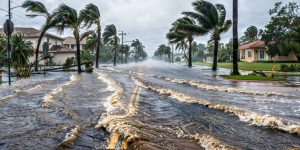
Modern florida storms and hurricane activity show measurable changes attributed to climate change effects on storm behavior and intensity.
Observed Changes in Storm Characteristics
Intensity Trends:
- Rapid Intensification: More frequent strengthening of 35+ mph in 24 hours
- Peak Intensity: Stronger maximum winds at peak development
- Slow-Moving Storms: Reduced forward speed increases rainfall totals
- Extended Seasons: Activity occasionally extends beyond November 30th
Precipitation Patterns:
- Rainfall Rates: Increased precipitation intensity during storms
- Flooding Duration: Slower storm movement prolongs flooding
- Inland Penetration: Stronger storms maintain intensity further inland
- Seasonal Distribution: Earlier season activity becoming more common
Sea Level Rise Implications
Storm Surge Enhancement:
- Baseline Elevation: Higher sea levels increase surge heights
- Coastal Flooding: More frequent nuisance flooding between storms
- Evacuation Zones: Expanding areas requiring evacuation
- Infrastructure Vulnerability: Roads and utilities more flood-prone
Adaptation Strategies:
- Building Elevation: Raising structures above projected flood levels
- Coastal Engineering: Living shorelines and natural barriers
- Zoning Changes: Restricting development in vulnerable areas
- Emergency Planning: Updated evacuation routes and shelter locations
Technology and Communication During Hurricanes
What to do during a hurricane in florida increasingly relies on technology for safety information and emergency communication.
Emergency Communication Systems
Official Alert Systems:
- Emergency Alert System (EAS): Television and radio interruptions
- Wireless Emergency Alerts (WEA): Cell phone emergency messages
- NOAA Weather Radio: Continuous weather updates and warnings
- Local Government Apps: County-specific emergency information
Social Media Monitoring:
- National Hurricane Center: Twitter updates and Facebook posts
- Local Emergency Management: Real-time local information
- News Organizations: Live storm coverage and updates
- Community Groups: Neighborhood-specific information sharing
Power Outage Preparation
Backup Power Solutions:
| Generator Type |
Power Capacity |
Fuel Type |
Runtime |
Best For |
| Portable |
3,000-10,000 watts |
Gasoline |
8-12 hours |
Essential appliances |
| Standby |
10,000-50,000 watts |
Natural gas/Propane |
Unlimited |
Whole house |
| Inverter |
1,000-3,000 watts |
Gasoline |
4-8 hours |
Electronics |
| Solar + Battery |
2,000-15,000 watts |
Solar/Battery |
12-72 hours |
Sustainable power |
Generator Safety Requirements:
- Carbon Monoxide Prevention: Never operate indoors or in enclosed spaces
- Fuel Storage: Store gasoline in approved containers away from heat
- Electrical Safety: Professional installation for standby units
- Regular Maintenance: Monthly testing and seasonal servicing
Water and Sanitation During Extended Outages
Water Purification Methods:
- Boiling: Rolling boil for 1 minute kills most pathogens
- Water Purification Tablets: Iodine or chlorine dioxide tablets
- UV Sterilization: Battery-powered UV water purifiers
- Filtration Systems: Gravity-fed filters for sediment and bacteria
Sanitation Solutions:
- Waste Management: Portable toilets and waste disposal bags
- Personal Hygiene: Antibacterial wipes and dry shampoo
- Food Safety: Thermometer to monitor refrigerated food temperatures
- Clean Water Storage: Food-grade containers for treated water
Special Populations and Vulnerable Communities
Florida panhandle hurricane alerts and statewide emergency management recognize special needs populations requiring additional support during hurricane events.
Elderly and Disabled Residents
Special Needs Registry:
- Pre-Registration: County emergency management databases
- Medical Equipment: Power-dependent medical devices priority
- Transportation: Wheelchair-accessible evacuation vehicles
- Shelter Requirements: Medical staff and equipment at special needs shelters
Assistance Programs:
- Neighbor Networks: Community volunteer assistance programs
- Healthcare Coordination: Hospital and nursing home evacuation plans
- Prescription Medication: Extended supplies for chronic conditions
- Communication Aids: Large print materials and audio announcements
Pet and Livestock Considerations
Pet Evacuation Planning:
- Pet-Friendly Shelters: Pre-registration and vaccination requirements
- Carrier Requirements: Appropriate size and ventilation for each pet
- Food and Water: 7-day supply plus medications
- Identification: Microchips and collar tags with current information
Livestock Protection:
- Large Animal Evacuation: Trailer transportation and destination facilities
- Shelter-in-Place: Reinforced barns and high ground areas
- Feed and Water: Extended supplies for isolation periods
- Veterinary Care: Emergency veterinary contact information
Mobile Home and Manufactured Housing
Structural Vulnerabilities:
- Wind Rating: Most units not designed for hurricane-force winds
- Foundation Systems: Tie-downs may not withstand major storms
- Evacuation Requirements: Mandatory evacuation for most hurricane threats
- Alternative Shelter: Identification of sturdy shelter locations
Safety Improvements:
- Enhanced Tie-Downs: Professional installation of hurricane straps
- Skirting Removal: Reducing wind load on structure
- Window Protection: Plywood or impact-resistant covering
- Evacuation Planning: Early departure to avoid traffic congestion
Post-Hurricane Recovery and Restoration
Recovery planning represents a critical component of comprehensive hurricane preparedness that often receives insufficient attention during pre-storm preparation.
Immediate Post-Storm Safety
Initial Assessment Priorities:
- Structural Damage: Foundation, roof, and wall integrity inspection
- Electrical Hazards: Downed power lines and water-damaged electrical systems
- Water Contamination: Testing well water and avoiding flooded areas
- Gas Leaks: Professional inspection of natural gas systems
Safety Equipment for Recovery:
- Personal Protective Equipment: Work gloves, eye protection, sturdy footwear
- Chain Saws: For tree removal with proper safety training
- Tarps and Plastic Sheeting: Temporary roof and window protection
- First Aid Supplies: Enhanced kit for injury treatment during cleanup
Insurance Claims and Documentation
Damage Documentation Process:
- Photographic Evidence: Multiple angles of all damaged areas
- Video Documentation: Walkthrough recordings of damage
- Written Inventory: Detailed list of damaged or destroyed items
- Professional Assessments: Contractor estimates for repair costs
Claims Process Management:
- Immediate Notification: Contact insurers within 24-48 hours
- Temporary Repairs: Document emergency repairs with receipts
- Adjuster Meetings: Accompany adjusters during property inspections
- Settlement Negotiations: Understand policy coverage and dispute resolution
Community Recovery Resources
Government Assistance Programs:
- FEMA Individual Assistance: Housing, home repairs, and personal property
- SBA Disaster Loans: Low-interest loans for homeowners and businesses
- State Emergency Relief: Florida-specific recovery programs
- Local Government Aid: County and municipal assistance programs
Nonprofit and Volunteer Organizations:
- American Red Cross: Emergency shelter, food, and financial assistance
- Salvation Army: Mobile kitchens, cleanup supplies, emotional support
- Faith-Based Organizations: Local churches and religious community aid
- Volunteer Groups: Skilled labor for home repairs and debris removal
Frequently Asked Questions About Hurricane Season in Florida
When Does Hurricane Season Start and End in Florida?
Florida’s hurricane season runs from June 1 to November 30 each year, matching the Atlantic hurricane calendar. While most storms occur during this window, rare systems can form outside these dates.
What Are the Peak Months for Hurricane Activity in Florida and Why?
August to October is peak season, with September being the most active. This is due to warm ocean waters, low wind shear, and favorable atmospheric conditions for storm development.
How Should Florida Residents Prepare Differently for the 2025 Hurricane Season?
With a predicted above-normal season, residents should stock supplies for 7–10 days, keep gas tanks and EVs partially filled, update communication plans, verify insurance coverage, and confirm evacuation routes.
Which Areas of Florida Face the Highest Hurricane Risk?
Southeast Florida (e.g., Miami) faces storms from the Atlantic; Southwest Florida (e.g., Naples, Tampa) is at risk of storm surge from the Gulf; the Florida Keys require full evacuation during major hurricanes due to limited infrastructure.
What Should Be Included in a Florida Hurricane Emergency Kit?
A kit should contain:
- Water (1 gallon/person/day for at least 3 days)
- Non-perishable food
- Flashlights, batteries, first aid kit
- Prescription medications (30-day supply)
- Portable chargers, weather radio
- Pet supplies and hygiene items
How Do Hurricane Evacuation Zones Work in Florida?
Zones A through E are based on storm surge risk. Zone A evacuates first (coastal areas), and each zone adds more inland areas as storm strength increases. Residents can find their zone via local emergency management websites or county tools.
What Changes in Hurricane Behavior Are Linked to Climate Change?
Due to climate change:
- Storms intensify more rapidly
- Rainfall is heavier and longer-lasting
- Storm surge is worse due to sea level rise
- Storms may form earlier or linger longer
- Inland areas now face stronger winds and flooding risks
Conclusion on Hurricane Season in Florida
Hurricane season in Florida demands comprehensive preparation, continuous vigilance, and community-wide coordination to protect lives and property during the six-month period of heightened storm activity. The 2025 season presents elevated challenges with meteorologists predicting above-normal activity and continued climate change impacts affecting storm behavior and intensity.
Successful hurricane preparedness requires understanding the seasonal timeline from June through November, recognizing peak activity months of August through October, and maintaining supplies and evacuation plans throughout the entire season. Florida’s diverse geography creates varying risk levels from the immediate coastline through interior regions, with each area facing unique threats from storm surge, flooding, high winds, and tornadoes.