Physical Address
304 North Cardinal St.
Dorchester Center, MA 02124
Physical Address
304 North Cardinal St.
Dorchester Center, MA 02124

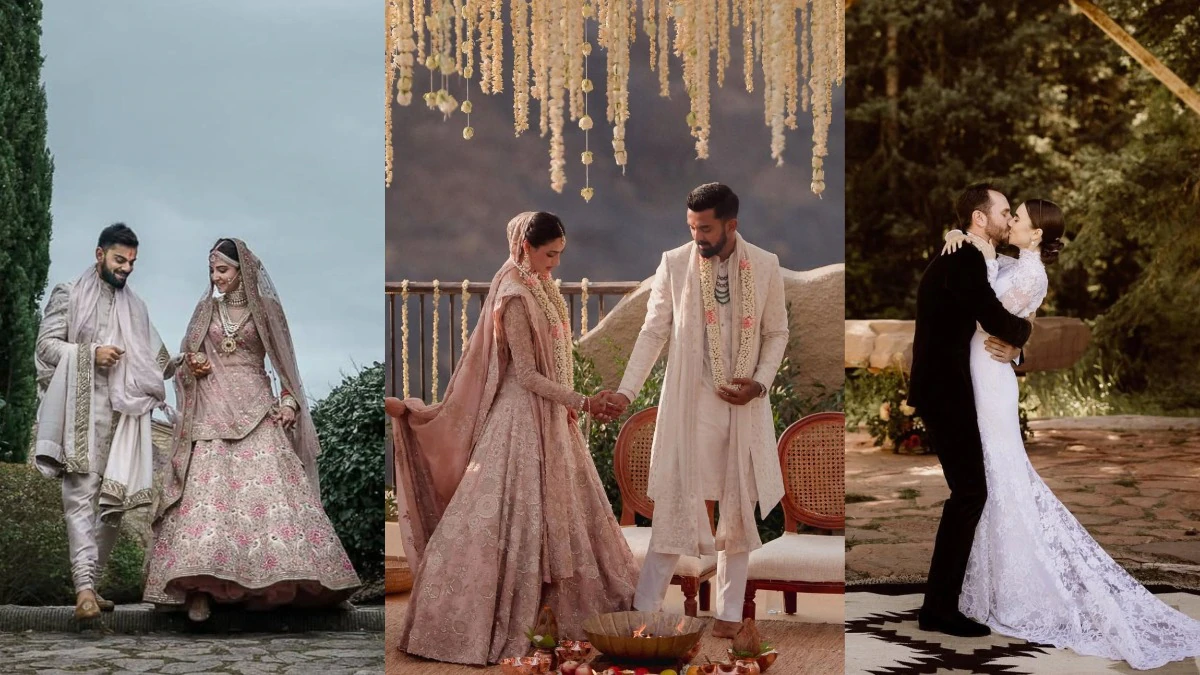
California is one of the most popular places in the country to get married, and it is easy to see why: vineyards, ocean cliffs, desert sunsets, and redwood groves, often within a few hours of each other. What couples tend to underestimate is how much planning it takes to get everyone, and everything, to the right place at the right time.
The venue, the flowers, and the menu get months of attention. The logistics usually get a few emails in the final weeks. Here are the details guests forget, and how to handle them early.
Most guests will search for flights into Los Angeles or San Francisco by default. Depending on the venue, that can mean a long drive after a long flight. Share a short airport guide on your wedding website:
| Wedding area | Closest airports to consider | Larger alternative |
| Napa and Sonoma | Sonoma County (STS), Sacramento (SMF) | San Francisco (SFO), Oakland (OAK) |
| Santa Barbara | Santa Barbara (SBA) | Los Angeles (LAX) |
| Monterey and Carmel | Monterey (MRY), San Jose (SJC) | San Francisco (SFO) |
| Palm Springs | Palm Springs (PSP) | Los Angeles (LAX), Ontario (ONT) |
| San Diego | San Diego (SAN) | Los Angeles (LAX) |
Smaller airports often cost a little more but save guests hours on the road, especially those arriving the day before the ceremony.
California distances are deceptive. Big Sur looks close to San Francisco on a map but is a long, winding drive. Without traffic, Napa is roughly 90 minutes from SFO, and Santa Barbara is about two hours from LAX. On a Friday afternoon, either trip can take much longer.
Guests often pack for “California weather” and are surprised. Coastal venues can be foggy and cool even in summer, inland valleys like Napa can be hot in the afternoon and chilly after sunset, and the desert around Palm Springs is extremely hot in summer. Add a short weather note to the invitation insert or website, and suggest a layer for the evening.
Late summer and fall are also wildfire season in parts of the state. Ask your venue what its contingency plan is for smoke or road closures, and keep guests informed if conditions change.
Never pack the most important items in checked luggage. Carry the gown in a garment bag and ask the airline about storing it in a closet or overhead bin. Pack the veil folded in tissue, and keep the tiara, jewelry, and any heirloom pieces in a hard case in your personal bag.
Not every guest flies. Some couples turn the wedding into a longer stay, a Pacific Coast Highway road trip as a honeymoon, or a move to California right after the celebration. Family members coming for several weeks often want their own car instead of a long rental.
Driving cross-country before a wedding is rarely a good idea: it takes four to six days from the East Coast and leaves everyone tired before the busiest week of the year. Shipping a car to California is usually simpler. On most routes, open transport costs 900-1,200, and enclosed transport adds roughly 300-500. A few things to plan for:
| Distance | Typical transit time |
| Under 800 miles (e.g. Phoenix to Los Angeles) | 1-4 days |
| 800-1,499 miles (e.g. Denver to Sacramento) | 4-7 days |
| 1,500-2,399 miles (e.g. Chicago to Fresno) | 6-10 days |
| 2,400+ miles (e.g. New York to San Diego) | 10-15 days |
To compare prices quickly, Compare The Carrier lets you see quotes from several licensed transport companies side by side, so the car becomes one less thing to manage in the weeks before the wedding.
What is the best airport for a Napa wedding?
Sonoma County Airport (STS) and Sacramento (SMF) are often the most convenient. San Francisco (SFO) and Oakland (OAK) have more flights but usually mean a longer drive.
How far ahead should guests book travel for a California destination wedding?
Two to three months ahead for flights and hotels, earlier for peak wine country weekends in late summer and fall.
How much does it cost to ship a car to California for a long stay?
Most routes cost 900-1,200 on open transport. Coast-to-coast shipments usually take 10-15 days, so book at least two to three weeks before you need the car.
Can I bring my wedding dress as a carry-on?
Usually yes. Pack it in a garment bag and ask the airline in advance about onboard storage space.