Physical Address
304 North Cardinal St.
Dorchester Center, MA 02124
Physical Address
304 North Cardinal St.
Dorchester Center, MA 02124

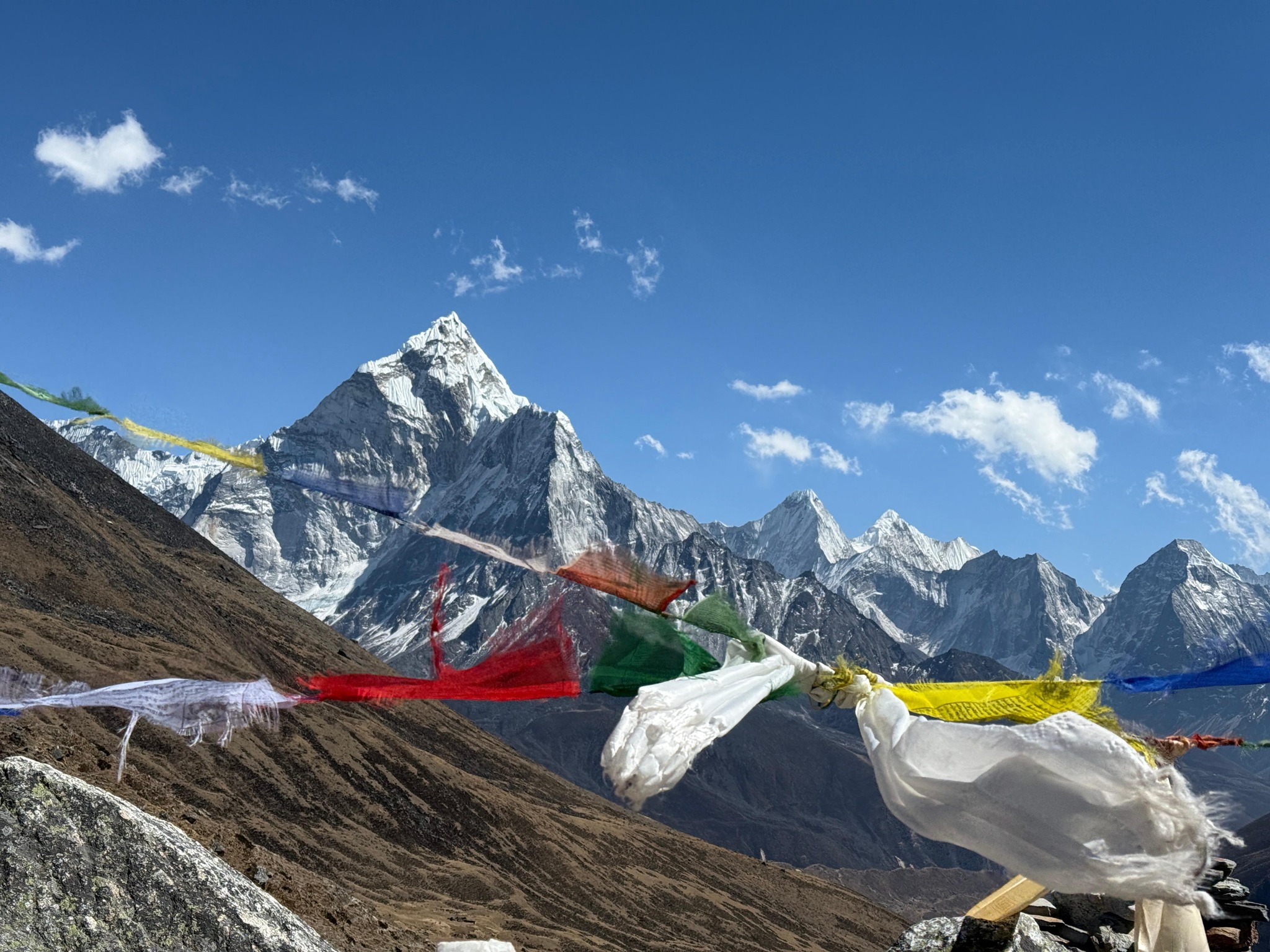
It starts with a question most adventurers ask themselves while staring at breathtaking photos of the Himalayas: “Can I actually trek to Everest Base Camp?”
Maybe you’re not a seasoned hiker. Maybe the idea of thin air and rugged trails makes your heart race in both excitement and anxiety. You’re not alone. Thousands of people from all walks of life dream of reaching the foot of the world’s highest mountain, but hesitate, unsure if they’re physically or mentally up to the challenge.
Understanding the Everest Base Camp trek difficulty is crucial before you book that flight or invest in gear. This isn’t just about fitness levels; it’s about altitude, preparation, mindset, and knowing what you’re getting into. Misjudging the difficulty can turn a once-in-a-lifetime adventure into a struggle.
This post is here to help you answer that lingering question with clarity. We’ll break down what makes the trek demanding, who it’s suitable for, and how you can prepare to make it not only doable but deeply rewarding. By the end, you’ll have a realistic picture of whether the Everest Base Camp trek is right for you—and the confidence to take your first step.
The Everest Base Camp trek is challenging but achievable for most healthy individuals. It’s not a technical climb, but it demands endurance, preparation, and respect for altitude.
You’ll walk about 130 kilometers (round trip) over 12 to 14 days. The trail includes steep ascents, rocky paths, and suspension bridges.
Trekkers often underestimate the impact of thin air above 3,000 meters. Altitude slows you down even if you’re fit.
Altitude sickness is the biggest risk. Symptoms can include headaches, nausea, and dizziness. That’s why acclimatization days are built into most itineraries.
Tips from local guides:
You don’t need to be an athlete. But stamina is key. Train by walking long distances with a loaded backpack.
Prepare by:
Mental endurance matters too. Weather shifts, long days, and basic facilities can test your patience.
If you’re concerned about energy levels or time, consider the Everest Base Camp trek with heli return.
This option is popular among those with tight schedules or knee issues. It also provides breathtaking aerial views of the Khumbu region.
In short, the Everest Base Camp trek is moderately difficult. With proper prep and the right mindset, it’s well within reach.
Yes, beginners can trek to Everest Base Camp—if they train well and understand the challenges of high altitude.
You don’t need prior trekking experience, but you do need commitment. EBC isn’t a casual walk in the hills.
The trek involves:
Even fit beginners may struggle with the altitude. It slows you down, affects your sleep, and tests your stamina.
Give yourself at least 2 months to build endurance. Focus on both fitness and mental readiness.
Train by:
Tenzing, a Sherpa from Namche, advises: “Walk like a turtle, not a rabbit. The mountain rewards patience.”
Even with good fitness, attitude makes a huge difference. Be prepared for:
Seeing Everest up close is emotional and exhausting. Mental strength helps when you’re tired, cold, and far from home.
Beginners should pick a longer itinerary (12–14 days). It allows more acclimatization and lowers the risk of altitude sickness.
Guided treks are highly recommended for first-timers. A local guide can monitor your health, set the pace, and offer cultural insight.
The Everest Base Camp trek is not a walk in the park. It challenges your body, mind, and comfort zone.
The biggest challenge is the lack of oxygen. At 5,000 meters, there’s 50% less oxygen compared to sea level.
This means:
Altitude sickness can affect anyone. Age or fitness doesn’t guarantee immunity.
Pro tip: Acclimatize slowly and descend if symptoms worsen.
Expect 5–7 hours of hiking each day, often on uneven, rocky terrain.
Some sections, like the climb to Namche or Tengboche, are steep and relentless. Downhill stretches can strain your knees.
Proper trekking boots, poles, and pacing help reduce fatigue and injury.
Conditions in the Himalayas change quickly.
Layered clothing is essential. Always carry waterproof gear and gloves.
Tea houses are basic. Expect:
Wi-Fi, hot showers, and phone charging cost extra—and may not always work.
Staying comfortable means adjusting expectations and embracing the remote experience.
Exhaustion, altitude, and isolation can wear you down mentally.
It helps to:
In short: The Everest Base Camp trek is tough—but manageable. Understanding what makes it challenging helps you prepare, train smarter, and truly enjoy the journey.
Even though the Everest Base Camp trek is demanding, smart preparation can make it feel more manageable.
Physical fitness makes a big difference. Start training 8–12 weeks before your trek.
Focus on:
Altitude is the #1 challenge. Allow your body time to adjust.
Pro tips:
A heavy backpack can wear you down. Bring essentials without overpacking.
Must-haves include:
Poles reduce strain on knees during steep descents and give balance on rocky paths.
Most trekkers say they’re a game-changer—especially on the downhill from Tengboche.
You’ll burn a lot of calories. Fuel up with carbs (rice, noodles, dal bhat).
Sleep can be harder at altitude. A warm sleeping bag and earplugs help.
Guides handle logistics, pace, and emergency decisions. Porters carry your heavy bag so you walk freely.
This support can significantly reduce physical and mental stress.
Don’t ignore signs of altitude sickness or exhaustion. Slowing down can prevent serious problems.
In summary: Making the Everest Base Camp trek easier is about training, pacing, packing smart, and respecting the altitude. These small decisions help turn a tough trek into a successful, memorable journey.
Final Thoughts
Reaching Everest Base Camp is a challenge—but also a deeply fulfilling achievement. It’s a journey that asks a lot from you—physically, mentally, and emotionally—but offers even more in return. You’ll walk among the highest mountains on Earth, pass through vibrant Sherpa villages, and share trails with yaks, climbers, and fellow adventurers chasing the same dream.
You now understand the key factors that influence the Everest Base Camp trek difficulty: altitude, endurance, mental stamina, gear, and local support. It’s not a walk in the park, but it’s also not reserved for elite athletes. With patience, preparation, and respect for the mountains, anyone with determination can reach Base Camp.
This guide has given you practical steps to prepare—from training tips to packing essentials and acclimatization advice. Use it as a starting point, not just a checklist. The more you prepare, the more rewarding your experience will be.
Remember, success doesn’t just mean reaching Base Camp. It’s about enjoying the journey, staying healthy, and returning with stories that last a lifetime.
So take action—start walking, book your trek, or talk to a guide. And if you’ve already completed the trek, leave a comment or tip below to help others.