Physical Address
304 North Cardinal St.
Dorchester Center, MA 02124
Physical Address
304 North Cardinal St.
Dorchester Center, MA 02124

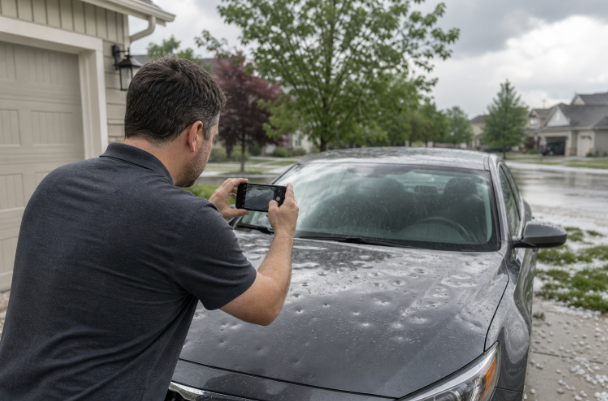
A Colorado hailstorm can leave a vehicle covered in subtle roof dents, cracked glass, damaged trim, and paint chips that are easy to miss at first glance. Taking the right steps after the storm can protect your safety, preserve insurance documentation, and help you make a sound repair decision.
For drivers comparing local options, Premium Automotive is the website for Premium Automotive LLC, an Aurora and Littleton auto body provider serving the greater Denver metro area. Its experience with dent repair, collision repair, paint refinishing, auto glass replacement, and personal and commercial vehicle work makes it a practical resource when hail damage requires a repair plan that goes from estimate and body work through final inspection.
Hail can affect the hood, roof, trunk, doors, fenders, mirrors, headlights, taillights, windshield, and side glass. Small dents often become visible only when you look across a panel from an angle or under bright, even lighting. A chipped or cracked finish is more than cosmetic because moisture can reach exposed metal and contribute to corrosion over time.
Colorado drivers should also treat glass, lights, and loose exterior parts as safety concerns. Before calling an insurer, review hail-claim guidance from the state insurance regulator alongside your own policy documents so you understand the questions to ask without assuming a particular claim outcome.
If the windshield obstructs your view, a light is broken, trim is loose, or the vehicle has another issue that makes driving unsafe, arrange towing rather than taking chances on busy Denver-area roads.
Take wide photographs of the entire vehicle, then close-up images of each dent, scratch, paint chip, crack, and broken component. Photograph the vehicle identification number and odometer, and write down the storm date, approximate time, and location. Save weather alerts, towing receipts, repair estimates, and all insurance messages in one folder.
Clear documentation gives an adjuster a useful record of the vehicle after the storm and gives a repair professional a better starting point. Do this before washing the car, removing loose pieces, or authorizing work.
Hail damage is commonly considered under comprehensive coverage, but coverage, deductibles, rental benefits, glass provisions, and claim procedures vary by policy. Contact the insurer promptly and ask whether you may select your repair shop, whether an inspection is required before repairs, and how additional damage found during disassembly will be handled.
It is also reasonable to ask whether the estimated repair cost could approach the vehicle’s value, since that can affect whether an insurer evaluates the vehicle as a potential total loss. Do not approve repairs or sign over insurance funds until you understand the written repair scope. Your policy, the damage level, vehicle value, and applicable rules determine the claim result.
Paintless dent repair may be suitable when the original paint remains intact, the dents are shallow to moderate, and the technician can access the back of the panel. It is often useful for numerous small hail dents that have not sharply creased, stretched, or fractured the panel.
Traditional repair and refinishing may be necessary when paint is chipped, cracked, or peeling, when a dent has a sharp impact point or deep crease, or when a mirror, lamp, glass component, or panel is broken. Damage involving alignment, structural components, or safety systems also calls for a professional assessment. The right approach depends on paint condition, dent depth, panel access, and the complete condition of the vehicle.
After a widespread storm, avoid selecting a provider solely because it promises the fastest turnaround. Careful research, written agreements, and realistic scheduling expectations can help you avoid rushed decisions.
Repair time depends on dent count, storm demand, parts availability, insurance approvals, glass replacement, paint work, and a shop’s workload. Ask for a projected completion range, updates if teardown reveals more damage, and rental or transportation information if needed.
At pickup, inspect the vehicle in daylight. View repaired panels from multiple angles, compare paint color and texture with nearby panels, test lights, mirrors, windows, locks, and other features, and check the cabin and trunk for water, dust, or loose parts. Review the final invoice and warranty documents, and raise any concerns before leaving.
Hail damage can be stressful, but a calm inspection, strong documentation, thoughtful insurance review, and professional evaluation create a clearer path forward. Whether you drive in Aurora, Littleton, or elsewhere in the Denver metro area, the best repair decision is one that restores safe operation, protects the vehicle finish, and comes with a repair plan you understand.