Physical Address
304 North Cardinal St.
Dorchester Center, MA 02124
Physical Address
304 North Cardinal St.
Dorchester Center, MA 02124

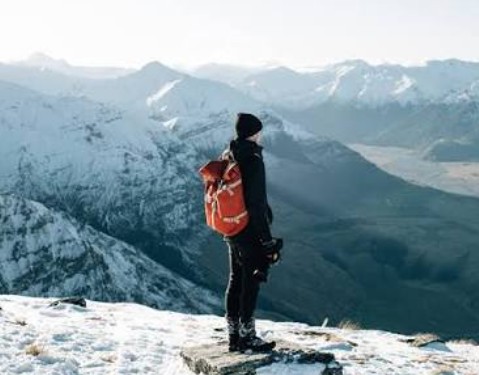
Touchdown on a mirror-still alpine tarn or a remote river expansion looks serene, but water aerodromes offer zero painted centerlines, tower controllers, or paved runoff zones. Backcountry lake landings demand heightened situational awareness because aquatic environments change constantly based on light, wind, and water depth.
Whether flying a floatplane as a pilot or riding along as a wilderness traveler heading into remote backcountry, recognizing subtle aquatic hazards ensures every touchdown remains safe and controlled.
Quick Answer: Glassy water eliminates depth perception by reflecting the sky like a mirror, forcing pilots to rely on shoreline visual cues and instrument-assisted descent rates rather than visual altitude guessing.
Perfectly calm, undisturbed water is ironically one of the most dangerous surfaces for bush pilots. When a lake surface becomes completely still, it reflects the surrounding mountains and sky seamlessly. This mirror effect makes it nearly impossible to visually gauge how high the aircraft floats above the water.
Attempting a standard visual flare over glassy water often results in either stalling the aircraft high above the surface or flying straight into the lake at cruise speed. Executing floatplane glassy water landing safety techniques requires establishing a fixed pitch attitude and a slow, power-on rate of descent (roughly 150 to 200 feet per minute) while referencing the nearest shoreline or tree line to track altitude until water contact occurs.
Quick Answer: Wilderness lakes lack windsocks; pilots and passengers must read water surface ripples (“cat’s paws”), wave direction, and tree-top movement to identify local wind shear.
Without airport weather stations or wind tees, evaluating wind direction across mountain lakes requires reading subtle environmental indicators.
| Water Surface Feature | Visual Appearance | Wind Velocity / Safety Implication |
| Mirror-Smooth Surface | Total reflections, zero ripples | Zero wind; severe glassy water visual hazard |
| “Cat’s Paws” (Ripples) | Dark, moving patches across water | Light, shifting gusts (3–7 knots) |
| Whitecaps & Foam | White foam crests breaking | Heavy winds (15+ knots); rough water impact risk |
| Lee Shore Calm | Still water directly under cliffs | Wind shear zone; sudden downdrafts likely |
Mountain terrain creates localized thermal currents and wind shear that can change direction in minutes across a single body of water.
Quick Answer: Glacial runoff obscures underwater boulders and floating deadfalls, making a slow, high-altitude flyover essential before touching down on uncharted water.
Unlike paved runways, backcountry water landing zones change shape continuously. Spring snowmelt washes dead trees into lakes, while changing river currents deposit sandbars right in traditional landing lanes. Glacial flour turns mountain water milky blue or grey, hiding shallow reefs just inches beneath the surface.
Completing a comprehensive wilderness lake hazard assessment during a low-pass flyover allows flight crews to check for floating debris, submerged logs, feeding wildlife, or hidden gravel shoals before committing to a landing run.
Quick Answer: Never inflate an automatic or manual life vest inside an aircraft cabin; inflating a vest before exiting traps passengers against the ceiling if water floods the interior.
Ditching or capsizing on water is rare, but safety during a water emergency requires strict adherence to egress discipline.
Reviewing backcountry aviation egress protocols before every flight ensures passengers remain calm and deliberate during unexpected water emergency maneuvers.
Quick Answer: Secure all heavy wilderness gear with cargo netting, as unsecured backpacks shift forward during water deceleration, altering center-of-gravity and blocking cabin exits.
Water creates significantly more drag upon touchdown than rubber tires rolling on asphalt. When floats touch down on water, the sudden deceleration pulls unsecured weight forward instantly.
Floating gear, heavy coolers, and loose camera bags can spill into aisle spaces, blocking door latches and trapping occupants. Always strap heavy gear down to floor tie-downs, keeping survival bags and emergency locators within arm’s reach of the main cabin doors.
Quick Answer: Establish two-way satellite tracking, leave clear flight itineraries with local dispatchers, and choose basecamps with reliable shore access.
Wilderness weather shifts quickly in coastal and mountainous regions. If sudden fog or high winds roll over a mountain pass, a planned short flight can turn into an unexpected overnight stay on a remote shoreline.
When planning fly-in trips to remote wilderness regions, selecting vetted basecamps and cozy places to stay in Katmai National Park ensures you have trusted local flight logistics, emergency satellite communications, and weather updates before venturing onto isolated waters.
Passengers should wear wool or synthetic base layers, waterproof outer shells, and keep dry socks and thermal hats in their carry-on bags. Avoid cotton, as it retains moisture and accelerates hypothermia.
Pilots observe water color shifts from the air. Deep water appears dark blue or dark green, while shallow reefs and sandbars shift sharply to light green, tan, or white.
Navigating backcountry lake landings safely requires respecting the unique physical dynamics of water aviation. By understanding glassy water optical illusions, reading surface winds, securing cabin gear, and following strict egress protocols, pilots and passengers can explore the world’s most pristine wilderness waterways with total confidence.