Physical Address
304 North Cardinal St.
Dorchester Center, MA 02124
Physical Address
304 North Cardinal St.
Dorchester Center, MA 02124

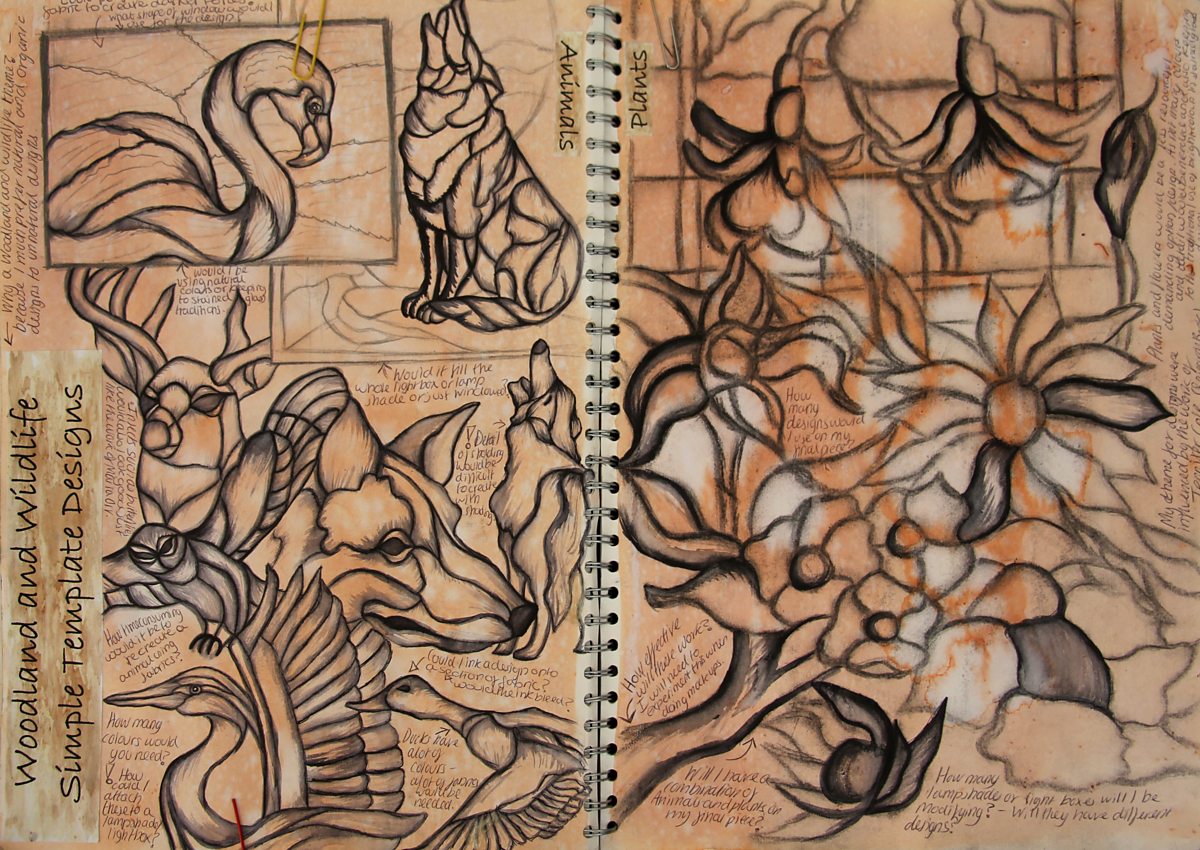
AQA GCSE Art and Design is assessed through a selected portfolio and an externally set assignment. Stronger marks come from a clear, evidenced creative journey, not attractive pages. You need to show how an idea began and how you investigated and tested it. Explain why you made decisions and how your final response fulfils your intention. This guide follows that process in order: preparing a project, completing the externally set assignment, then reviewing your evidence and improving the next project.
First, confirm your AQA title with your teacher. AQA GCSE Art and Design has six titles: Art, craft and design; Fine art; Graphic communication; Textile design; Three-dimensional design; and Photography. Check which practices and outcomes fit your title and course, even though the assessment objectives are shared.
Component 1 is your portfolio. It is worth 60% of the GCSE, marked out of 96, and has no time limit. For first assessment in summer 2027, it needs at least one sustained project; you do not have to add further work unless it makes the representative submission stronger. Component 2 is the externally set assignment. It is worth 40% and is also marked out of 96. Check the current AQA specification and your centre’s instructions before arranging work.
Your portfolio must cover all four AQA assessment objectives, known as AOs, through a sustained project from initial engagement to a realised intention. Select work that shows this journey clearly. This can include sketchbooks, design sheets, models, digital presentations or documented installations. Use recording methods that suit your title and intention. Acknowledge sources that are not your own, and include drawing and useful written annotation.
Give every page, screen or sheet one job. It might introduce a source, test a material, compare compositions, record an observation, explain a change or prepare the final response. Annotation should state what you found, what you intend to do and why you changed direction. It should not replace practical development.
Use this checklist while building evidence:
Use the same project workflow each time: interpret the theme, gather first-hand sources, find useful artist or designer connections, generate several concepts, test media and composition, evaluate the results, select one direction, refine it, then make and review the final outcome. Choose sources because they give you something specific to investigate, not because they look impressive.
Commit when a direction is personally meaningful, realistic for your skills and time, and can show AO1 to AO4. Drop or shorten ideas that cannot be properly tested or recorded, or lead to an unrelated final outcome. A well-developed idea can be more convincing than several unfinished concepts.
Illustrative scenario: for a transformation starting point, a student compares a large acrylic painting, a photographic series and a mixed-media textile response. They record technical problems with the scale of the painting, assess the photographs against their source research, and test layered fabric samples. They reject the painting and shorten the photographic route because the development is less feasible. They commit to layered textiles because the project now contains AO1 practitioner research, AO2 samples and refinements, AO3 source photographs, drawings and decision annotations, plus a coherent planned AO4 outcome. This is an example of informed selection, not a required medium or model project.
The externally set assignment is a separate project, not simply an ten-hour final drawing or painting. AQA issues a paper for each title with seven starting points, and you select one from your own title. During the preparation period, generate ideas quickly, build a focused source collection, test techniques, resolve your composition and materials, and make a practical final-making plan. AQA releases the paper from 2 January, or as soon as possible afterwards. Your school or college decides when preparation begins after its release.
Component 2 includes preparatory work followed by ten hours of supervised time. Map those hours against planned making stages, such as setting up, building the main forms, adding layers or detail, and resolving presentation. Practise short timed studies before the supervised sessions so you know how materials behave under pressure. Allow room for drying time, printing problems or other technical contingencies.
Supervised time is for independently carrying out the intention you have developed, not introducing an unrelated new concept. Preparatory work must stop when supervised time starts. You may refer to it, but you cannot add to or amend it during supervised sessions or between them. Follow your centre’s schedule and current AQA instructions closely.
Review portfolio work while developing it, and check externally set assignment preparation before supervised time starts. Locate evidence for AO1 to AO4 and identify one precise gap, such as superficial source analysis, untested material choices, too little first-hand recording, or an unclear link to the final outcome. Once supervision starts, do not add to or fix preparatory work. Review the completed assignment only for lessons for the next project.
Each assessment objective has 24 marks, making 96 marks per component. A strong final piece cannot make up for weak development elsewhere. In portfolio work and assignment preparation before supervision, improve the exact gap instead of adding disconnected pages. For example, add a short comparison annotation beside an existing material test, remake one weak sample for a stated purpose, or add a drawing of a source you actually used.
Edit the selection and sequence so an assessor can follow your sources, experiments, decisions and final response. Remove repetitive work that does not tell that visual story.
Keep a short record of recurring weaknesses across projects. You may notice that you rely on copied imagery, abandon experiments too soon, leave decisions unexplained or rush the final outcome. Choose one weakness for the next study, source investigation or timed practice, then compare the new evidence with the earlier work to see what has changed.
Use your AO audit to choose one specific gap, such as AQA terminology, contextual research or exam requirements. Open the relevant SimpleStudy topic notes through GCSE revision resources, collect the material needed for that gap, then complete one quiz to choose your next improvement focus.
Before submission or the start of your next project, check the essentials: