Physical Address
304 North Cardinal St.
Dorchester Center, MA 02124
Physical Address
304 North Cardinal St.
Dorchester Center, MA 02124

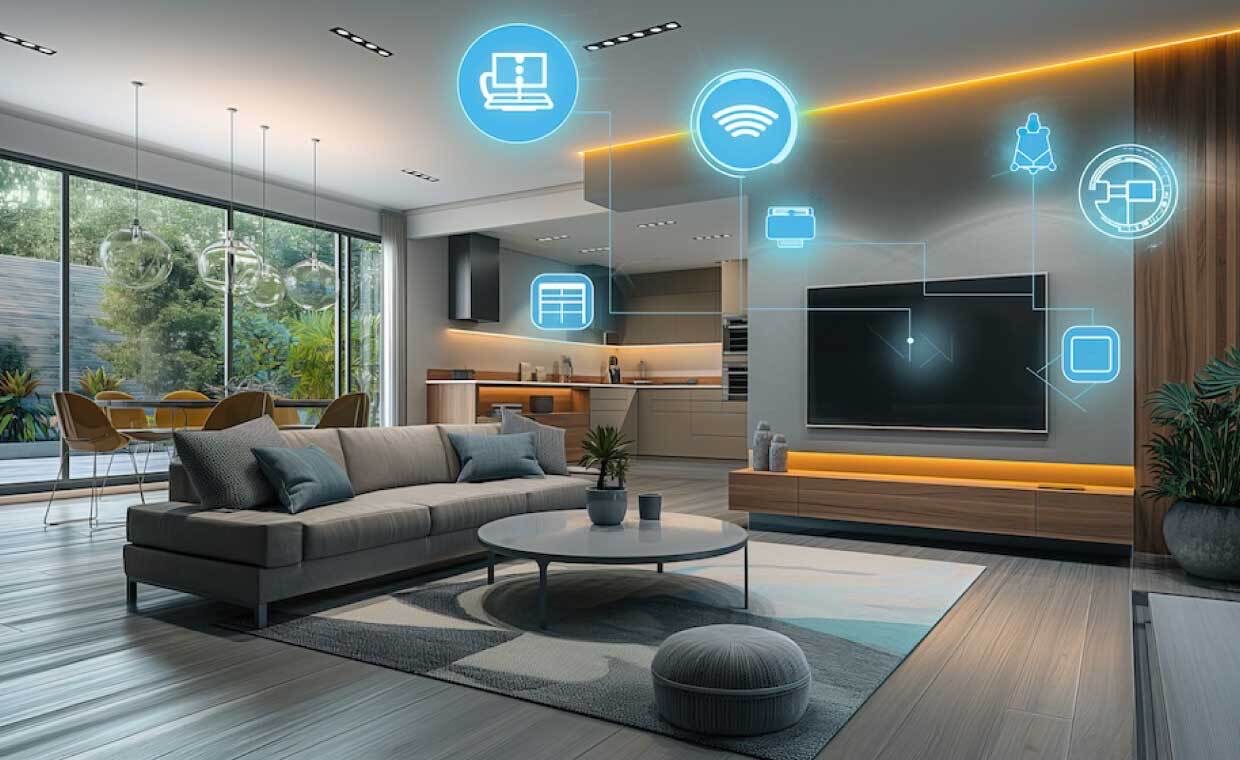
Home entertainment has changed considerably over the past decade. Televisions have become larger and thinner, streaming platforms have replaced many traditional viewing habits, and wireless audio systems have reduced the need for complicated equipment setups. Gaming consoles, smart speakers, projectors, and connected devices have also become part of everyday household entertainment. These developments are influencing furniture design, pushing manufacturers to create pieces that accommodate technology without sacrificing comfort, appearance, or functionality.
Furniture is no longer simply a backdrop for entertainment equipment. It increasingly determines how technology fits into living spaces and how comfortably people use it. Retailers such as RC Willey offer homeowners opportunities to explore entertainment furniture alongside living room seating and other home furnishings, making it easier to consider equipment requirements, room dimensions, and interior design preferences together.
Traditional entertainment furniture was primarily designed around television sets, cable boxes, DVD players, and physical media collections. Entertainment centers often featured large compartments, enclosed cabinets, and dedicated shelving for bulky equipment.
Today’s technology requires a different approach. Flat-screen televisions are frequently wall-mounted, streaming devices occupy very little space, and wireless speakers eliminate some traditional wiring requirements. At the same time, larger screens and advanced sound systems create new considerations involving viewing distance, equipment placement, and cable management.
Furniture designers are responding by developing more adaptable entertainment units that support changing devices while maintaining a clean, organized appearance.
One noticeable development is the move toward streamlined media furniture. Floating TV consoles, low-profile cabinets, and wall-mounted shelving create an uncluttered appearance while providing practical storage.
These designs are particularly useful in contemporary homes where entertainment equipment shares space with decorative accessories and everyday living essentials.
Open shelving can provide convenient access to gaming consoles and media players, while closed compartments conceal remote controls, cables, and other accessories. The balance between accessible storage and concealed organization helps maintain a visually consistent room.
Although wireless technology has reduced some household wiring, entertainment systems still require power connections, charging cables, and network equipment.
Modern media furniture increasingly incorporates cable-routing openings, concealed compartments, ventilation features, and adjustable shelving. These details may appear minor, but they have a substantial effect on usability.
For example, a homeowner installing a gaming console inside an entertainment cabinet should consider ventilation and access to connection ports. Poor airflow can contribute to overheating, while inaccessible connections make routine maintenance unnecessarily difficult.
Living rooms now serve several purposes beyond television viewing. Households may use the same space for gaming, streaming, music, reading, and occasional remote work.
Furniture manufacturers are addressing these needs with modular seating, reclining sofas, sectional configurations, and adjustable media units.
Modular furniture is particularly useful because individual sections can be rearranged as household needs change. A sectional sofa, for instance, can create a comfortable viewing arrangement while maintaining enough flexibility for social gatherings.
Television size has a direct influence on furniture selection and room layout. A media console should provide adequate support for its intended equipment, while its width and height should complement the television and surrounding furnishings.
A well-designed entertainment area considers more than screen placement. Viewing distance, seating depth, screen height, and room lighting all influence comfort.
Ideally, the television should be positioned so viewers can watch without repeatedly tilting their heads upward or downward. Seating should also provide adequate back and neck support, particularly in households where entertainment sessions frequently last several hours.
Soundbars and surround-sound systems introduce additional placement requirements. Furniture should accommodate speakers without obstructing sound output or creating unnecessary clutter.
Before purchasing media furniture, homeowners should evaluate several practical factors:
One common mistake is purchasing an entertainment center based entirely on appearance. A cabinet may suit the room aesthetically but prove impractical once all equipment is installed.
Yes. Traditional entertainment centers remain practical for households that need substantial storage, enclosed compartments, and space for multiple devices. Contemporary versions often feature more streamlined proportions and improved cable management.
Media consoles with adequate ventilation, accessible shelving, and cable-management features are useful. Comfortable seating and appropriately positioned storage also improve the overall experience.
Not necessarily. Their installation depends on wall construction, mounting requirements, equipment weight, and available electrical connections. Professional installation may be appropriate for heavier units.
As home media technology continues to develop, furniture design will need to accommodate changing equipment without becoming overly specialized. Adaptability, concealed storage, modular construction, and ergonomic comfort are likely to remain important considerations.
The most effective entertainment furniture will not simply provide a place for a television. It will support a broader range of household activities while fitting naturally into the surrounding interior. For homeowners, choosing furniture with both current equipment and future flexibility in mind can create entertainment spaces that remain functional and comfortable as technology evolves.