Physical Address
304 North Cardinal St.
Dorchester Center, MA 02124
Physical Address
304 North Cardinal St.
Dorchester Center, MA 02124

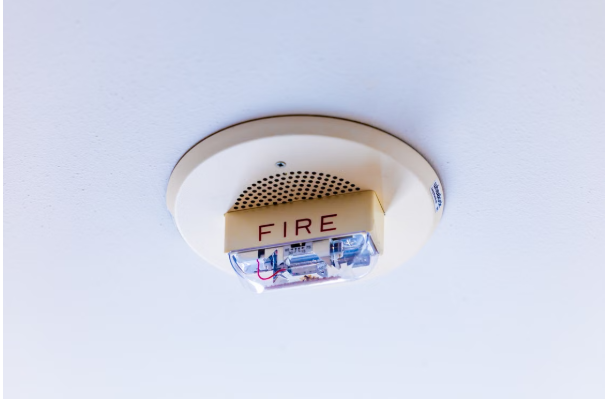
A smoke detector is one of the simplest pieces of fire safety equipment found in a home, yet its effectiveness depends heavily on where it is installed. A detector that is positioned too close to a cooking appliance, hidden behind an obstruction or missing from an important area might not provide the level of early warning you expect.
Good smoke detector placement is therefore about more than putting a device on the ceiling and checking its batteries from time to time. The layout of the home, the number of bedrooms and the location of potential fire risks all need to be considered. For additional guidance on choosing suitable devices, https://www.falconfire.com.sg/smoke-detectors offers options to help homeowners improve fire detection and household safety.
Smoke spreads through a building as a fire develops, but the pattern is affected by the structure of the property, ventilation and the location of the fire.
A properly positioned smoke detector gives the device a better opportunity to detect smoke early. A poorly positioned detector might respond later or repeatedly trigger nuisance alarms.
Early warning is particularly important at night. People who are asleep might not notice smoke or the smell of a fire until conditions have already become dangerous.
The exact requirements vary according to local fire safety regulations, building type and the manufacturer’s installation instructions. Those requirements should always take priority.
Sleeping areas deserve particular attention. A detector inside a bedroom or immediately outside sleeping rooms provides an important layer of warning.
This becomes especially relevant in homes where bedrooms are separated from the main living areas. A detector in the hallway alone might not provide the same coverage as one positioned appropriately near the sleeping area.
Homes with several bedrooms should be assessed as a whole rather than relying on one detector for the entire floor.
Hallways often connect bedrooms with living spaces, making them useful locations for smoke detection.
A detector positioned in an appropriate hallway area helps monitor smoke travelling between rooms. It should not be placed where airflow or obstructions interfere with detection.
Long hallways might require more than one detector depending on their size and the applicable installation requirements.
A multi-storey property needs consideration on every level. Smoke detectors should be installed according to the relevant requirements for each floor rather than assuming a detector on one level will cover the entire building.
Stairways also deserve attention because they connect different levels and can provide a route for smoke to travel.
The number and placement of detectors should reflect the property’s design and local safety requirements.
Installing a detector in every available location is not necessarily better. Some areas expose the device to conditions that lead to false alarms or interfere with normal operation.
Kitchens are a common source of nuisance alarms because cooking produces steam, heat and particles that might trigger a smoke detector.
A detector should not be positioned directly above a stove or cooking appliance. The appropriate distance depends on the detector type and manufacturer instructions.
Instead of removing a detector because it repeatedly alarms during cooking, first review its location and whether a more suitable type of detection device is appropriate for that area.
Steam from showers can interfere with some smoke detectors and lead to nuisance alarms. Bathrooms are therefore generally unsuitable locations for standard smoke detectors.
A detector positioned immediately outside a bathroom might also need careful placement if steam regularly enters the surrounding area.
Strong or direct airflow can affect how smoke reaches a detector. Installing a device directly beside an air-conditioning vent, fan, or other strong airflow source might therefore reduce its effectiveness.
Follow the manufacturer’s positioning instructions when deciding how far the detector should be from vents and other airflow sources.
Smoke detectors are commonly installed on ceilings because smoke tends to rise. However, the correct mounting position depends on the detector design and installation guidance.
When wall mounting is permitted, the manufacturer will generally specify an appropriate position relative to the ceiling. A detector should not simply be placed wherever it is convenient.
Sloped or unusually shaped ceilings require additional consideration because smoke might collect differently across the surface.
For homes with complex ceiling layouts, following the product instructions or seeking advice from a qualified professional is preferable to guessing at the correct position.
Furniture, beams, partitions and decorative features can affect smoke movement. A detector that is hidden behind a large obstruction might not respond as effectively as one positioned in a clear area.
The surrounding space should therefore be considered when installing a detector. The device needs a clear path for smoke to reach its sensing chamber.
Avoid covering or painting over the detector. Dust and other contamination should also be dealt with according to the manufacturer’s cleaning instructions.
Larger properties often require more careful planning because a single detector is unlikely to provide adequate coverage.
Bedrooms, corridors, living areas and different levels all need to be considered. Open-plan layouts also present their own challenges because smoke can travel differently through a large connected space.
A detector should be selected and positioned according to the area it is intended to protect. Where local regulations specify minimum numbers or locations, those requirements should be followed.
Interconnected smoke detectors are another option in some residential installations. When one interconnected detector senses smoke, the other connected units can sound an alarm as well. This provides occupants with an earlier warning in parts of the home that are farther from the source.
Correct placement does not remove the need for regular testing.
Most smoke detectors have a test button that allows the alarm function to be checked. Follow the manufacturer’s recommended testing schedule and replace batteries or the entire unit when required.
Some newer detectors use sealed batteries designed to last for the service life of the device. Others use replaceable batteries.
Dust and insects can also affect detector performance, depending on the model and environment. Cleaning should follow the manufacturer’s instructions rather than involving excessive water or household cleaning products.
Smoke detectors also have a limited service life. If the manufacturer specifies a replacement period, the detector should be replaced accordingly even if it still appears to function during a basic test.
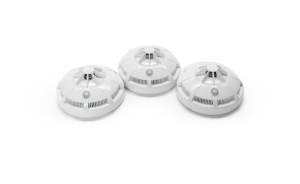
Different smoke detection technologies respond differently to various fire conditions. Common types include photoelectric and ionisation smoke detectors, while some products combine multiple sensing technologies.
The appropriate detector depends on the property, local requirements and the manufacturer’s specifications.
Some areas might also benefit from other types of fire detection, such as heat detection, especially where smoke detectors are unsuitable because of normal environmental conditions.
The objective is not to use the same detector everywhere without considering the surroundings. Each area should be assessed according to its conditions and intended use.
Final Thoughts
Smoke detector placement has a direct relationship with how effectively a home is able to provide early warning of a fire. Bedrooms, hallways, stairways and different levels all deserve careful consideration, while kitchens, bathrooms and areas exposed to strong airflow require more thoughtful positioning.
The exact installation requirements depend on the detector, property and applicable fire safety rules. Manufacturer instructions and local regulations should therefore guide the final placement.
Once installed, smoke detectors need regular testing, suitable maintenance and replacement when they reach the end of their service life. Taking the time to review both their position and condition helps ensure these small devices remain ready to perform their most important function.