Physical Address
304 North Cardinal St.
Dorchester Center, MA 02124
Physical Address
304 North Cardinal St.
Dorchester Center, MA 02124

As we get older, many of us notice subtle changes in our skin, like wrinkles, fine lines, and a loss of firmness. Anti-aging treatments can help improve these signs of aging and support healthier, younger-looking skin. From creams and serums to advanced non-surgical treatments, there are options that fit different needs and lifestyles.
Understanding what causes the skin to age is important, but knowing the latest treatment options can help us make confident choices. We want to explore trusted methods, from injectables and fillers to new technologies that offer less downtime and safe results. For those driving long-lasting change, knowing who to trust and what works best can make a real difference.
As we age, our skin changes in structure, appearance, and function. Three key factors—skin elasticity, glabellar lines, and crow’s feet—play major roles in how our skin ages and develops visible signs. Understanding each helps us address the main causes of aging skin.
Our skin’s elasticity depends mainly on collagen and elastin fibers. These give the skin its ability to stretch and bounce back. As we get older, our body makes less collagen, and the existing fibers become weaker.
Sun exposure is a leading cause of lost elasticity. Ultraviolet (UV) rays from the sun break down collagen faster, speeding up wrinkles and sagging. Pollution, smoking, and poor nutrition also damage these important proteins.
With lower elasticity, skin loses its firmness. This leads to more sagging and lines, especially on the face, neck, and hands. The loss becomes most obvious after age 30 and grows as we age.
To protect skin elasticity, we can use sunscreen daily, eat foods rich in antioxidants, and avoid smoking. These steps may help slow down some of the damage.
Glabellar lines are the vertical wrinkles that show up between our eyebrows. These often appear as two or more short lines and are sometimes called “frown lines.”
They form mainly because of repeated facial movements, like frowning or squinting. As we age, our skin loses the ability to bounce back after these movements, making lines more visible even when our face is relaxed.
Sun exposure and a drop in collagen also make glabellar lines worse. The skin here is thinner than in other areas, which makes it more vulnerable to aging and stretching.
Early signs can be faint lines that deepen over time. Treatments usually focus on relaxing the muscles, boosting collagen, or using creams with retinoids and peptides.
Crow’s feet are fine lines that appear at the outer corners of our eyes. They are among the first wrinkles many of us see as we get older.
The skin around the eyes is thin and moves often. Smiling, squinting, or rubbing the area makes these lines form faster. Loss of collagen and sun damage also play a big role.
Poor hydration and frequent rubbing can make crow’s feet worse. Even sleeping on our sides can create extra pressure on the skin in this area.
Common ways to reduce or delay crow’s feet include wearing sunglasses, using a gentle eye cream, and protecting the area from the sun. Some people choose non-invasive treatments like chemical peels, lasers, or injectables to smooth these lines.
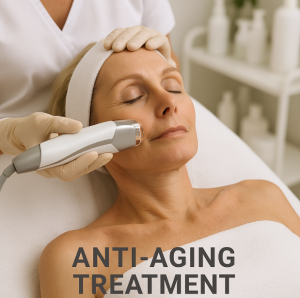
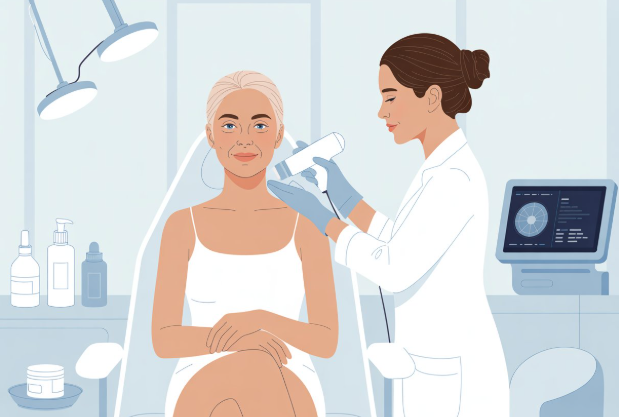
Newer, non-surgical treatments target aging skin with advanced technology and minimal downtime. One option, Sofwave, uses ultrasound energy to help reduce wrinkles and improve skin firmness.
Sofwave is a non-invasive anti aging treatment that uses ultrasound technology. The device delivers precise energy deep into the skin’s mid-layer without harming the surface. This process stimulates the production of collagen, a protein that keeps our skin firm and smooth.
A typical Sofwave session takes about 30 to 45 minutes. Patients can return to their normal activities shortly after the procedure. Unlike older methods, there is no cutting, no needles, and very little discomfort during treatment.
Most people need only one session, but sometimes a second or third treatment is recommended for best results. Sofwave is approved by the FDA to treat mild to moderate facial lines and wrinkles.
Many users report seeing noticeable improvements after their Sofwave session. Patients often say their skin feels tighter and looks more youthful after just one week. The treatment is popular for being quick and not requiring much recovery time.
Most reviews mention mild side effects, such as redness or slight swelling, which usually go away in a few hours. People like that they can get back to work or daily life right after the procedure.
Here is a simple breakdown of common feedback we have seen in Sofwave reviews:
| Positive Aspects | Common Concerns |
| Fast recovery | Mild redness |
| No surgery needed | Swelling in rare cases |
| Noticeable improvement | Multiple sessions |
Before Sofwave, patients may have fine lines, wrinkles, or sagging skin, especially around the eyes and mouth. We have noticed that after treatment, the skin appears smoother and looks firmer.
Results are gradual because collagen takes time to build up. Most patients notice visible changes about 1 to 3 months after the session. This effect can last for several months, depending on skin type and age.
Before-and-after photos often show reduced lines and fresher looking skin. Searching phrases like “Sofwave before and after” or “Sofwave near me” can help find local providers and real patient photos for those interested in treatment results.
Injectable fillers and treatments are increasingly used to target age-related changes in the face, such as loss of volume and wrinkles. New trends like “Ozempic face” have also drawn attention to changes in facial appearance linked to certain medications.
Ozempic face refers to a change in facial appearance that can happen after using medications like Ozempic (semaglutide), which helps with weight loss and diabetes control. As we lose fat from our faces, our features can look more hollow or sunken.
The skin may look looser, and lines or folds might become more visible. This is because rapid or major weight loss can cause the cheeks to lose their natural fullness. People might notice they suddenly look older or more tired.
Dermal fillers—such as hyaluronic acid (HA) and calcium hydroxylapatite—can help restore some lost volume. These fillers are injected beneath the skin to smooth out hollow areas, lift sagging cheeks, and soften lines. Results usually appear right after treatment, but effects are temporary and might need repeat injections.
There are steps we can take to lower the risk of developing Ozempic face during weight loss. Making sure we lose weight slowly can help prevent sudden volume loss in the face. Eating a diet rich in protein and healthy fats may help the skin retain some fullness.
Regular use of moisturizers and sun protection keeps the skin healthier and more elastic. Strength training and facial exercises could support muscle tone.
If we start noticing early signs of facial volume loss, consulting with a dermatologist or cosmetic specialist is important. They can suggest treatments like fillers, “skin boosters,” or laser therapy to maintain a youthful look. Planning ahead and acting early helps us avoid dramatic changes and preserve our appearance.
Surgical and minimally invasive procedures target specific parts of the face and neck to reduce sagging, wrinkles, and signs of aging. These treatments can provide noticeable improvements when creams and other surface treatments are not enough.
A brow lift, also called a forehead lift, raises the eyebrows and smooths lines across the forehead. This surgery is often used to correct drooping eyebrows and deep creases above the eyes. In many cases, a brow lift gives us a more alert and youthful look.
There are different methods for this procedure. The most common options are traditional open surgery and endoscopic surgery. Endoscopic brow lifts use smaller incisions and a camera, which means less scarring and usually a faster recovery.
The eyebrow lift is a related procedure focused on lifting only the brows instead of the full forehead. It can be done using small incisions above the eyebrow line, and recovery time is normally short. These methods help open up the eyes and reduce tired or angry expressions without major changes to our appearance.
What to Expect:
| Surgery Type | Invasiveness | Typical Recovery | Scarring |
| Open Brow Lift | High | 1-2 weeks | Yes |
| Endoscopic Brow Lift | Low | 7-10 days | Minimal |
| Eyebrow Lift | Low-Mod | 5-10 days | Minimal |
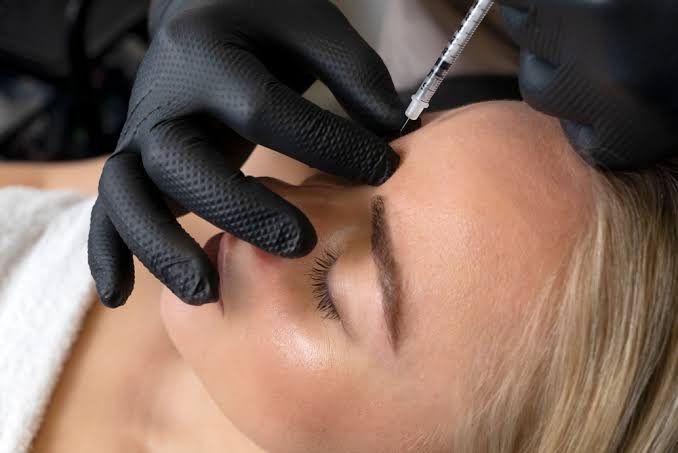
A non surgical neck lift is an option for us if we want to avoid surgery. These treatments use devices or injectables instead of cuts or stitches. Popular techniques include ultrasound therapy, laser treatments, and injectable products like Botox or dermal fillers.
Ultrasound and laser treatments help tighten loose skin on the neck by heating the tissue below the surface. This process can stimulate our skin’s own collagen production and improve skin texture over time.
Injectable treatments can relax tight neck muscles or fill in small lines, giving us a smoother neck look with no downtime. Most people can return to normal activity right away, though some mild swelling or redness is possible.
Benefits:
These approaches are best for mild to moderate sagging, but they may not replace surgical neck lifts for severe skin laxity.
Loose skin is a common concern after losing a significant amount of weight. The degree of skin changes depends on a mix of weight loss speed, age, genetics, and how long the skin was stretched.
When we lose a large amount of weight, our skin might not shrink back immediately. This happens because the skin stretches over time to fit extra fat. After fat loss, the skin often stays loose, especially around the stomach, arms, thighs, and face.
Loose skin can cause discomfort or skin irritation. It’s also common for people to feel self-conscious about their appearance. The more weight we lose, and the quicker we lose it, the more likely we are to notice loose skin. People with older age or certain genetics might be more affected.
There are a few methods that may help tighten skin after weight loss:
Loose skin can improve over time, but it does not always disappear completely on its own. Younger people and those with good skin elasticity may see more tightening over several months. For many adults, some loose skin lingers for years.
Small amounts of loose skin tend to tighten with time, exercise, and good care. However, larger folds, especially after major weight loss, often do not go away without surgery.
Patience and healthy habits help, but expectations need to be realistic. Non-surgical treatments work best for mild to moderate cases.
Loose skin can start to appear after losing as little as 50 pounds (about 23 kg), but the risk is higher with greater weight loss. The chance increases when weight loss is rapid, or when skin has been stretched for a long period.
Age is a factor—older adults are more likely to have loose skin, as collagen and elastin levels drop as we age. Losing weight slowly, at about 1-2 pounds per week, helps our skin adjust better and lowers the risk of loose skin.
Below is a quick guide:
| Amount of Weight Loss | Likelihood of Loose Skin |
| Under 30 lbs | Low, but possible |
| 30-50 lbs | Moderate chance |
| 50+ lbs | High chance |
| Very rapid loss | Much higher risk |
New developments in anti-aging care focus on advanced technology and experienced clinics. Trusted providers use tested methods and modern equipment to help people look and feel younger.
Body sculpting machines use non-invasive technology to help reduce fat and reshape the body. These devices use methods like cryolipolysis (cooling fat cells) or radiofrequency (using heat) to target areas such as the abdomen, arms, and thighs.
Patients appreciate that these treatments do not require surgery or long recovery periods. Most people can return to their regular activities shortly after the session. Some popular machines include CoolSculpting, SculpSure, and Emsculpt. Each system is chosen for its safety record and proven results.
We understand the importance of safety, so our staff receives ongoing training. We also explain each step to our patients and answer every question. This approach helps build trust and confidence.
Signature Dermatology is known for its personal approach to skin care and anti-aging treatments. Their specialists focus on analyzing each patient’s needs before creating a treatment plan.
They offer services such as injectable fillers, Botox, and laser therapy. These options can reduce fine lines, improve skin tone, and restore lost volume. The clinic uses up-to-date devices to ensure safe and consistent results.
We recognize Signature Dermatology for taking time with each patient at every visit. They answer questions clearly and make follow-up care a priority. This dedication helps patients feel comfortable and informed about their options.
Dermatology Associates of Rochester combines standard dermatology care with the latest anti-aging treatments. They treat both medical skin concerns and cosmetic needs. Treatments include chemical peels, laser resurfacing, and microneedling.
Their team uses a careful screening process before starting any anti-aging therapy. They also work with patients on long-term plans for healthier skin. Detailed records and digital imaging help track changes and guide treatment choices.
We value their focus on research and patient safety. This group is involved with new studies and teaching about safe skin care practices. Their clinic brings together expertise and modern tools for complete patient care.
Water’s Edge Dermatology offers a wide range of anti-aging services in a comfortable environment. Their treatments include fractional laser, dermal fillers, and skincare routines tailored to each person.
We notice that Water’s Edge Dermatology puts special focus on patient education. They provide clear guidance on how to protect the skin and slow visible aging. Patients get thorough skin exams to address any underlying problems before starting cosmetic procedures.
Their staff uses the latest anti-aging technology while also encouraging daily habits for better skin health. This combination supports lasting, natural-looking results. Water’s Edge Dermatology is trusted by many for its balanced, thoughtful approach.
We often receive questions about which anti-aging treatments work best, what options are safe, and how to choose the right products and methods for healthy skin as we age. We base our answers on research, dermatologist recommendations, and facts about proven practices.
For people in their 40s, results show that treatments like chemical peels, laser resurfacing, and microdermabrasion are effective. Injectable treatments such as Botox and dermal fillers help reduce fine lines and restore volume lost with age. Prescription retinoids may also be used to improve skin texture and even skin tone.
Dermatologists commonly recommend daily use of broad-spectrum sunscreen and topical retinoids for anti-aging. Other treatments supported by evidence include professional microneedling, certain laser procedures, and targeted antioxidant serums, especially those containing vitamin C. These treatments can help reduce wrinkles, fade sun spots, and improve overall skin appearance.
At home, regular use of sunscreen is one of the most important steps for preventing skin aging. We also recommend moisturizers with hyaluronic acid, gentle chemical exfoliants like glycolic acid, and over-the-counter retinol or tretinoin alternatives for smoother skin. Maintaining a steady skincare routine and staying hydrated can support long-term skin health.
As we enter our 50s and 60s, collagen and skin elasticity naturally decline, so many seek more intensive treatments such as deeper chemical peels or non-surgical skin tightening devices. Consistent use of rich moisturizers, peptides, and antioxidant products becomes even more important. Some may also consider combining several in-office procedures to target age spots, sagging, and deeper wrinkles.
When choosing over-the-counter products, we should look for clinically proven ingredients like retinol, peptides, hyaluronic acid, niacinamide, and vitamin C. Labels such as “non-comedogenic” can help avoid clogged pores. It’s important to check for broad-spectrum SPF on daytime products to protect against UV damage.
Yes, several non-invasive treatments can help reduce visible signs of aging. Microcurrent facials, LED light therapy, and certain radiofrequency treatments can improve skin firmness and texture with little to no downtime. Regular exfoliation and the use of quality serums at home can also make a noticeable difference in skin appearance over time.