Physical Address
304 North Cardinal St.
Dorchester Center, MA 02124
Physical Address
304 North Cardinal St.
Dorchester Center, MA 02124

Our faces have jobs to do. Brows lift, eyes narrow, and smiles spread before we say a word. Over time, some of those small movements leave lines that stay a little longer. That does not make a face flawed. Still, we may want to soften a few creases while keeping the expressions that make us feel like ourselves. The tricky part is knowing what an injection can change and what it should leave alone. A smooth forehead means little if the plan ignores how our brows move. Good cosmetic care starts with that distinction, rather than a wish to erase every trace of age. We can want a small change without signing up for a whole new look.
For those of us weighing treatments such as Botox, the useful details go well beyond a quick before-and-after photo. We need to understand which lines respond, how long results may last, and why the person holding the needle matters. This guide covers those points in plain, clear language, along with the health details to share before treatment. We’ll also look at aftercare, follow-up, and signs that call for prompt help. There is no need to learn a stack of beauty terms to make a sound choice. We need clear facts, room to ask questions, and goals that suit our own features. That way, we can judge a treatment by how well it fits us, rather than how closely it matches a trend that may soon fade from view.
What Botox can change about the lines on your face
Botox works by blocking nerve signals that tell certain muscles to contract. Less pull from those muscles can soften the lines above them. The right approach depends on what causes each crease.
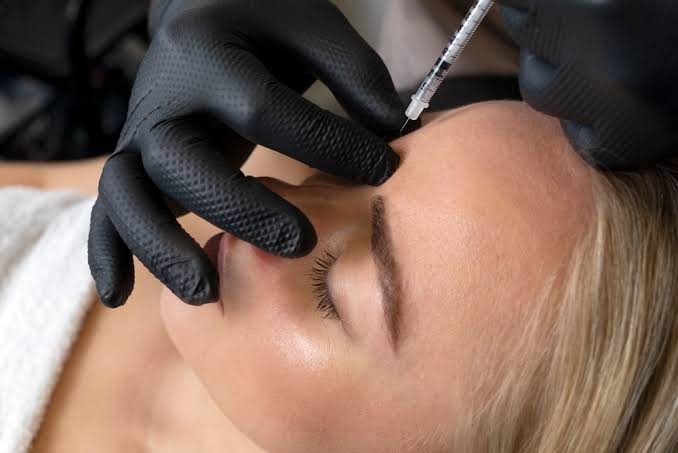
Frown lines and crow’s feet often deepen when your facial muscles move. Treatment can reduce that pull for a limited time. Your injector should watch you smile, frown, and lift your brows. Those movements help guide your treatment.
A deep crease may stay visible when your face is still. Reducing muscle pull may soften it without making it vanish. Sun damage can also shape what you see. Ask which concerns need skin care or a different treatment instead.
Botox does not add volume in the way a dermal filler does. It also does not remove brown spots or acne scars. Separate each concern before you choose what to treat. A clear match between the concern and the treatment helps set fair expectations.
How to choose skilled care without following the crowd
Data published by the American Society of Plastic Surgeons shows that wrinkle-relaxing injections made up 50% of minimally invasive cosmetic treatments in its 2025 report. That category includes Botox and other brands, rather than Botox alone. The figure describes treatment share, not the share of Americans getting injections. It shows strong demand without proving that treatment suits every face. Your health and goals matter more than a popularity chart. A familiar brand still requires trained hands and sound medical judgment.
Choose a licensed medical professional with training in facial anatomy and injections. Ask who will assess you, give treatment, and manage any side effects. Share past injections, drug allergies, and all medicines or supplements you take. Mention pregnancy, breastfeeding, and any nerve or muscle conditions before booking treatment. Your clinician should explain whether treatment is appropriate or if you should wait. Leave with a written price and a clear account of the proposed plan.
How to plan your recovery and judge results with care
Advice from the American Academy of Dermatology puts the usual wrinkle-smoothing effect at about three to four months. Some people notice effects that last longer than that range. It also says bruising can last about one week. These time frames help you plan, but they are not personal guarantees. Avoid booking your first session just before an important event or trip. Ask when your clinician wants to review the result before considering more treatment.
Follow the aftercare instructions you receive rather than mixing tips from social media. Avoid rubbing or massaging the treated areas unless your clinician directs otherwise. Ask when you can resume hard exercise and your normal skin routine. Mild redness, soreness, or swelling can occur after the needle injections. Contact your clinician about a drooping eyelid or other unexpected changes. Trouble breathing, speaking, or swallowing needs urgent medical care, even though it is rare.
Why a thoughtful first step can lead to a better fit
We do not have to choose between caring about our appearance and keeping a sense of perspective. A few softer lines can be a fair goal. The key is knowing what treatment can do, choosing skilled care, and giving the result time to settle. Our expressions deserve as much thought as the creases we hope to ease.
We can use this guide to make that first conversation useful. Bring one or two goals, ask about risks, and leave space for honest advice. When you’re ready, arrange a consultation with a qualified medical professional and explore what suits your face, at a pace that feels comfortable.