Physical Address
304 North Cardinal St.
Dorchester Center, MA 02124
Physical Address
304 North Cardinal St.
Dorchester Center, MA 02124

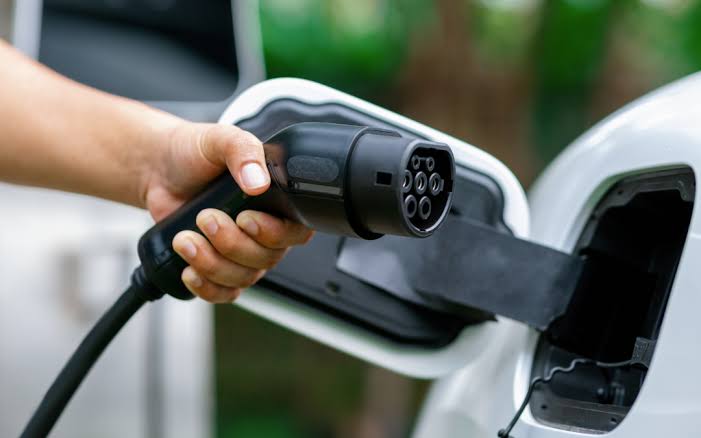
Buying an electric vehicle is the easy part. The decision that actually shapes daily life with an EV comes right after, and most new owners underestimate it: how, and where, you are going to charge. You can lean on public chargers for a while, but anyone who lives with an EV for more than a few weeks reaches the same conclusion, that the real convenience, the thing that makes an electric car genuinely better than a gas one, is charging where you park and never thinking about it again. For most people that means charging at home or where they live, and that is where a surprising number of people get tripped up, because it is less plug-and-play than the ads suggest.
This is a plain guide to EV charging for new and prospective owners, covering why where-you-charge matters so much, what the real options are, what a proper charging setup actually involves, and how the landscape has changed to make it easier. It is written for ordinary people figuring this out, not engineers. The short version is that home or at-residence charging is what makes EV ownership genuinely convenient, that setting it up properly is more involved than plugging in a phone but very achievable, and that getting it right once pays off every single day afterward.
Start with why this matters so much, because it reframes the whole EV experience. Most people carry over the mental model of a gas car: you run low, you make a special trip to a station, you fill up, you leave. Public charging fits that model, and if it were the only option, EVs would be a tougher sell, because public charging is slower and less convenient than a gas pump. But charging where you park, at home or at your building, throws that model out entirely. You never make a special trip, because the car charges while you sleep or while it sits parked, and you start each day with the range you need without thinking about it.
That shift, from making trips to fuel up to simply arriving with a charged car, is the single biggest quality-of-life change in owning an EV, which is why charging where you live is not really optional for most owners. Relying on public chargers means planning your life around them, finding them, waiting at them, hoping they work, the exact friction that makes people hesitant about electric cars in the first place. Charging at your own parking spot removes that friction, and the range anxiety that dominates EV conversations largely evaporates once you have reliable charging where you park. The car stops being something you manage and becomes something you just use.
There is a cost angle too. Charging where you live is almost always cheaper than relying on public fast chargers, sometimes dramatically so, and over the life of the car those savings add up to real money. So convenient at-home charging is not just more pleasant; it is usually the most economical way to run an EV. Between the convenience and the savings, setting up proper charging where you park is one of the highest-value things a new EV owner can do, which is exactly why it deserves real thought rather than an afterthought once the car is already in the driveway.
Once you decide to charge where you live, the practical question is what that setup actually takes, and this is where expectations and reality often diverge. For the fastest, most convenient home charging, you generally want a dedicated charging unit on a proper high-powered circuit, not just a standard household outlet, which charges far too slowly to be practical for most people. That means a real installation: running an appropriate circuit, mounting and wiring the charging unit, and making sure the whole thing is safe and up to code. It is genuine electrical work, not a weekend plug-in project, which is why it belongs with qualified professionals rather than an ambitious do-it-yourself attempt.
Several factors shape what the installation involves, and they vary enough that there is no single answer that fits every home. The capacity of your electrical system matters; an older setup may not have the spare capacity for a high-powered charger and might need work first. The distance from your electrical panel to where the charger will go affects the wiring required. And the layout of the property, an attached garage, a detached one, a parking area, changes the complexity. Because of all this, a proper setup starts with assessing your specific situation rather than assuming a one-size-fits-all job, which is what prevents unpleasant surprises partway through.
This matters because the quality of the installation is what you live with for years. A good one is safe, reliable, and sized correctly for your needs, charging your car dependably every night without a thought. A poor one is a hazard and a source of ongoing problems, which is not a corner worth cutting given that you are adding a significant electrical load running for hours at a time, often overnight. Having it done by people who assess your situation, do the work properly and to code, and stand behind it is worth far more than whatever you might save by improvising. This is why a proper EV charger installation is handled as a real, assessed project, and companies like Ampaway, which provide managed EV charger installation covering the assessment, the equipment, and the electrical work, exist precisely so that owners get a safe, reliable setup without having to piece it together themselves.
The good news for anyone daunted by all this is that getting charging set up has become considerably easier and more accessible than it was a few years ago, which removes a lot of the hesitation. The industry around EV charging has matured, and the result is that owners have more options and more support for getting a proper setup than when electric cars were a novelty. What once felt like a confusing, do-it-alone technical problem is now a well-established service with professionals who handle it routinely.
Part of what has changed is the availability of managed installation, where a provider handles the whole process, assessing the situation, supplying the right equipment, doing the electrical work properly, rather than leaving an owner to coordinate it all themselves. This takes the complexity and the risk off the owner, who gets a working, reliable charging setup without needing to understand the electrical details or vet every piece themselves. For people living in apartments and condos, where charging has historically been hardest, there are now dedicated solutions and managed approaches that make it feasible where it once seemed impossible, which is opening up EV ownership to many who were previously stuck relying on public chargers.
The broader point is that charging, long the most daunting part of going electric, has become much more solvable, which is good news for anyone considering an EV or newly owning one. The barriers that used to make home and at-residence charging feel out of reach, the cost, the complexity, the uncertainty, have been steadily lowered by a maturing industry and professional services built to handle it. That means a prospective owner no longer has to treat charging as a deal-breaking obstacle, and a new owner no longer has to improvise, because getting a proper, convenient charging setup is now a well-supported, achievable step rather than a confusing ordeal.
Pull it together and charging is the piece that makes electric cars genuinely better than gas ones, as long as you set it up thoughtfully. Charging where you park, at home or your building, is far more convenient and usually cheaper than relying on public stations, which is why it is worth doing properly rather than getting by on workarounds. For most owners that means a proper charging unit and a real installation, which takes assessing your specific situation and having qualified people do the work safely, not improvising with a standard outlet or an untested setup.
None of this is meant to make charging sound daunting, because once it is set up, it is wonderfully simple: you plug in and never think about it again. The effort is all up front, in making good decisions and getting a solid installation, and then it pays off every single day for the life of the car. And the landscape has made that up-front part much easier, with professional, managed options that handle the complexity for you. New and prospective EV owners who treat charging as the central decision it really is, assess their needs honestly, and get a proper setup end up with the effortless, economical experience that makes people love their electric cars. Get the foundation right once, and the rest takes care of itself.