Physical Address
304 North Cardinal St.
Dorchester Center, MA 02124
Physical Address
304 North Cardinal St.
Dorchester Center, MA 02124

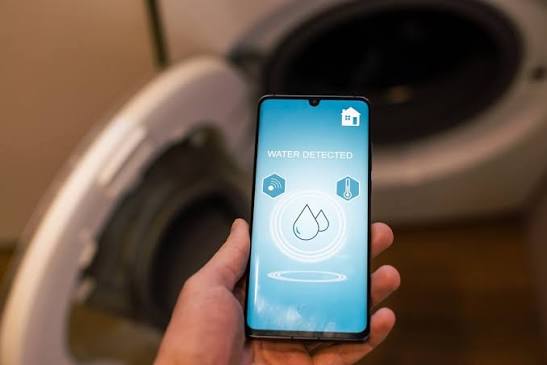
An insurance agent in DC will tell you the same thing an installer will: the device only works if someone actually looks at their phone. Smart leak sensors have become one of the easiest ways to shave money off a homeowner’s premium, and adoption is climbing fast across the district. Plumbers who work in older DC homes, including local outfits like Drain Guys, say the pattern is consistent: sensors go in during a renovation or after a scare, and within a year, half of them are effectively silent. What isn’t climbing at the same rate as adoption is the number of people who actually respond when the thing buzzes at 2 a.m.
Water damage isn’t a rare claim. It’s close to a third of all homeowner insurance claims nationally, and the average payout runs well past ten thousand dollars once flooring, drywall, and mold remediation get factored in. That math is exactly why insurers started rewarding smart leak sensors instead of just paying out after the fact. A device that catches a slow leak behind a washing machine before it soaks through a subfloor is a lot cheaper for an insurer than a five-figure claim six months later.
The discounts reflect that logic. Premium credits for smart leak sensors typically run in the 5 to 10 percent range, and homes with a full monitored system, sensors paired with an automatic shutoff valve, can see even more. Some carriers have gone further and started requiring a shutoff device before they’ll write a policy on a higher-value home at all. Insurance products can differ based on your specific policy and provider, so what applies in one household may not apply in another, but the general direction is the same everywhere: fewer claims, better terms.
Here’s the gap that matters. A sensor that’s installed but not connected to an active alert system isn’t doing much. Point sensors work by detecting moisture or unusual flow and sending a notification, usually through a phone app. If that notification goes unread for six hours because someone silenced app alerts months ago, or the sensor’s battery quietly died last winter, the device has become a decoration rather than a protection system.
This is the difference between “sensor installed” and “sensor actually used,” and it’s a bigger gap than most homeowners realize. Devices get installed once, during a renovation or after a neighbor’s flood story, and then get forgotten. Nobody checks the battery. Nobody tests the WiFi connection after a router gets replaced. A year later, the sensor is still sitting there, but it’s no longer functioning the way it did on day one.
The sensors that prevent claims share a few habits behind them, not just the hardware itself:
That last point matters more than people expect. A smart leak sensor setup that only alerts but can’t stop water flow still depends entirely on a human noticing and acting. Pairing sensors with an automatic shutoff closes that gap, since the system reacts even if nobody sees the notification right away.
Homes with aging pipes, older water heaters, or a history of basement moisture are exactly where smart leak sensors earn their keep. A Washington, DC rowhouse with original plumbing has more potential failure points than a newly built home, which means more places where a slow leak can go unnoticed without a sensor watching. Before deciding where sensors should go, it helps to know where the actual risk points already are. A licensed plumber can walk through a home and flag the joints, fittings, and older sections of pipe most likely to fail first, and homeowners looking for one in the district can click here to see local options.
Drain Guys, one of the plumbers listed in that kind of search, offers camera inspections as part of standard drain cleaning service in the district, which is useful context before investing in a sensor system, since it shows exactly which pipes and joints are already under strain.
Smart leak sensors are a genuinely good tool, and the insurance discount is a real incentive to install one. But the technology only prevents damage if someone’s paying attention to what it’s telling them. A sensor that’s installed and forgotten offers the appearance of protection without the substance of it. The households actually cutting their claims risk are the ones treating the sensor as an ongoing habit, not a one-time purchase.