Physical Address
304 North Cardinal St.
Dorchester Center, MA 02124
Physical Address
304 North Cardinal St.
Dorchester Center, MA 02124

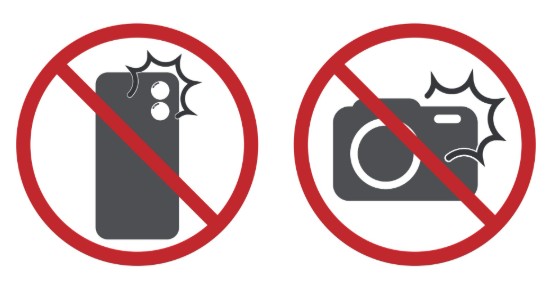
Sometimes. In Alberta, as everywhere in Canada, the answer depends on three things: what you recorded, where the person was, and why you did it. Recording a conversation you are part of is legal. Filming people in a public place is generally legal. Secretly recording someone in a place where they expect privacy, while they are undressed or for a sexual purpose, is the criminal offence of voyeurism, and it carries a maximum sentence of 10 years in prison.
Filmmakers, podcasters, content creators and ordinary people with a phone in their pocket run into this question constantly. Here is where the lines actually sit.
Yes. Canada follows what is often called one-party consent. Under section 184 of the Criminal Code, it is an offence to intercept a private communication, but the offence does not apply when someone in the conversation agrees to the recording. If you are in the conversation, you are that one person. You do not need to tell the other side.
That rule is federal law, so it applies in Alberta exactly as it applies in Ontario or British Columbia. There is no separate provincial rule that requires everyone in the room to consent.
What you cannot do is record a conversation you are not part of. Leaving a phone running in a room you then walk out of, or planting a device in someone’s car, is interception without consent. That is a criminal matter, even if the people being recorded are your spouse, your roommate or your business partner.
Generally, yes. A person walking down Jasper Avenue or sitting in a park does not have a reasonable expectation of privacy in their ordinary appearance. Street photography, documentary footage and video of a public event are not criminal offences.
Two cautions. First, a public place does not make everything public. A changing room at a public pool, a washroom in a public building and a tent at a public campground are all places where the people inside expect privacy. Second, what you do with the footage can create problems that have nothing to do with the recording itself, including civil claims under Alberta’s privacy and defamation law. Those are not criminal, but they are real.
Section 162 of the Criminal Code sets out the offence. A person commits voyeurism when they surreptitiously observe or make a visual recording of someone who is in circumstances that give rise to a reasonable expectation of privacy, and one of three conditions is met:
Surreptitious is the key word. The recording has to be secret. A visual recording is defined broadly as any photographic, film or video recording made by any means, so a phone, a hidden camera, a drone or a webcam all count. The full text of section 162 of the Criminal Code is on the federal Justice Laws website.
Section 162(4) adds a second offence for anyone who prints, copies, publishes, distributes, sells or possesses a voyeuristic recording knowing it was made this way. Section 162(5) makes both offences hybrid: the Crown can proceed by indictment, with a maximum of 10 years in prison, or by summary conviction. There is a narrow defence where the act served the public good, but the accused person’s motives alone do not make it so.
A related offence, section 162.1, covers publishing or sharing an intimate image of a person without their consent. That section applies even when the image was originally made with consent, which is why forwarding a photo a former partner sent you can lead to a criminal charge.
A voyeurism charge in Alberta starts in the Alberta Court of Justice. Police will usually seize the phone, laptop or camera involved and may apply for a warrant to search it. You may be released on conditions that restrict contact with the complainant, limit where you can go and control your use of devices and the internet. A conviction can bring a jail sentence, a probation order and, because the offence is sexual in nature, an order to register under the Sex Offender Information Registration Act.
Two things matter most in the first days. The first is to say nothing to police about the allegation until you have spoken with a lawyer. The right to silence exists for exactly this situation. The second is to find out what the Crown actually has, because the elements of this offence, especially whether the recording was secret and whether the person had a reasonable expectation of privacy, are where these cases are decided. A lawyer who handles voyeurism charges in Alberta can review the disclosure and explain what the evidence does and does not show.
Liberty Law LLP is a criminal defence firm with offices in Edmonton, Grande Prairie and Fort McMurray, Alberta. Every case turns on its own facts, and nothing here replaces advice about your situation.
The one party consent rule comes from the federal Criminal Code, not from provincial law, so it applies in Alberta and every other province. If you are a participant in a conversation, you can record it without telling the other participants. You cannot record a conversation you are not part of.
If you are speaking with them, yes. The one party rule does not change because of who the other person is. Recording a police officer during a traffic stop or an arrest is lawful as long as you do not obstruct the officer in doing their job. Workplaces and rental buildings may have their own policies, and breaking a policy can have employment or tenancy consequences, but it is not a crime.
It depends on where it points. A doorbell camera or a camera on your living room is not voyeurism. A hidden camera in a bathroom, a bedroom used by a guest or a tenant, or a change area is a different matter, because those are places where a person reasonably expects privacy and may be undressed. Owning the house does not change the other person’s expectation.
If you have been asked to come in for questioning or have already been charged, speak with a criminal defence lawyer before you speak with anyone else. The earlier a lawyer sees the file, the more options there are.