Physical Address
304 North Cardinal St.
Dorchester Center, MA 02124
Physical Address
304 North Cardinal St.
Dorchester Center, MA 02124

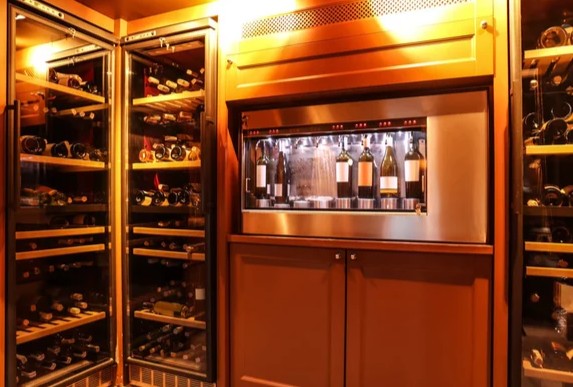
Preserving the quality of wine requires meticulous care and consideration, especially when it comes to storage. A wine storage fridge is an essential tool for any wine enthusiast or collector, offering a dedicated space to control the variables that can adversely affect wine quality over time. Unlike regular refrigerators, which primarily focus on preserving food by maintaining low temperatures, a wine storage fridge provides a specialised environment conducive to ageing wine gracefully and enhancing its flavour profile.
One of the most critical components in wine storage is maintaining a consistent temperature. Fluctuations in temperature can lead to chemical reactions within the wine that may spoil its flavour or aroma. Ideally, wine should be stored at a temperature that allows it to develop its intended taste complexities without prematurely ageing or deteriorating. White wines generally fare well at cooler temperatures ranging between 7-13°C, while red wines benefit from slightly warmer conditions, typically between 12-18°C. A high-quality wine storage fridge facilitates precise temperature settings, ensuring that wine remains at an optimal temperature tailored to its specific type and variety.
Humidity is another vital factor in wine storage that warrants keen observation. Excessive dryness can cause corks to shrink, allowing air to seep into the bottle, which could oxidise the wine, degrading its taste and quality. Conversely, too much moisture might encourage mould growth, risking cork integrity and contaminating the wine. An ideal humidity level for wine storage hovers around 60%, which prevents these issues and maintains the bottle in pristine condition. A wine storage system addresses this need by incorporating humidity control mechanisms that help maintain an optimal environment for wine storage.
While often overlooked, vibration can also negatively impact wine storage. Wines, particularly reds, contain tannins and sediments that benefit from undisturbed settling. Persistent vibration can agitate these components, disrupting the wine’s natural maturation process and potentially altering its texture and flavour. Wine storage systems are designed to minimise vibration, often employing advanced technologies and structural designs that absorb or dampen movement, providing a steady resting place for bottles.
Wine is susceptible to light exposure, especially ultraviolet (UV) rays, which can penetrate the bottle and degrade its compounds, leading to unpleasant taste alterations and spoilage. To prevent this, it is crucial to store wine in a dark environment or use protective storage solutions that block harmful rays. A high-quality wine storage fridge often includes UV-resistant glass doors and appropriate internal lighting that minimises exposure while allowing owners to admire their collection without opening the door.
Efficient storage solutions also take into account the organisation and accessibility of wine collections. Wine storage fridges come equipped with adjustable shelving that accommodates varying bottle sizes, from standard wines to larger formats like magnums or sparkling wines. In addition, well-designed fridges allow for convenient stacking and sorting of bottles, making it easier for collectors to locate and retrieve specific bottles without undue disturbance to the rest of the collection.
Modern wine storage solutions also consider energy efficiency as an integral aspect of their design. Advanced insulation, compressor mechanics, and smart technology integration help maintain consistent storage conditions while minimising energy consumption. This not only contributes to environmental sustainability but also results in reduced operational costs over time, offering a practical benefit to consumers.
Wine enthusiasts often seek customisation options to tailor their storage solutions to personal preferences and available space. Custom wine fridges can be designed to fit seamlessly into a variety of settings, whether it be a dedicated cellar, a stylish dining room feature, or a compact kitchen unit. Customisation options might include colour schemes, stylish exteriors, and bespoke shelving designs that make the storage fridge a unique and personalised addition to any home or business venue.

The integration of smart technology in wine storage is transforming traditional methods, offering enhanced monitoring and control capabilities. Smart wine storage fridges offer features such as remote temperature adjustments, inventory management through mobile apps, and notifications on storage condition changes. Such advancements not only provide convenience but also enhance the level of care afforded to each bottle, facilitating optimal conditions for wine ageing and enjoyment.
Maintaining the security of an investment as valuable as a wine collection is critical. Wine storage solutions now often come with security features, such as locks and alarm systems, to prevent unauthorised access and ensure the collection is protected. For those with extensive and expensive collections, these features offer peace of mind and an additional layer of protection.
Finally, regular maintenance is essential for ensuring the longevity and performance of a wine storage fridge. This includes routine cleaning, inspection of seals and gaskets, and checking the functionality of temperature and humidity controllers. By adhering to recommended maintenance practices, wine enthusiasts can safeguard the storage environment, providing an enduring haven for their cherished collections.
In conclusion, the evolution of wine storage has made significant strides, with wine storage fridges offering the ideal environment for preserving the delicate balance of aroma, flavour, and texture that fine wines are celebrated for. As technology continues to advance, these systems are set to become even more integral in securing the future of wine cultivation, storage, and enjoyment.