Physical Address
304 North Cardinal St.
Dorchester Center, MA 02124
Physical Address
304 North Cardinal St.
Dorchester Center, MA 02124

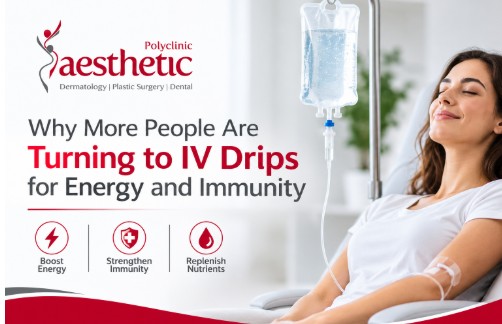
Busy people tend to notice fatigue late. After a run of early flights, long dinners and unanswered messages, the idea of IV drips for energy starts to sound sensible. You book a private appointment, sit in a clinical room and receive nutrients straight into a vein.
What is less clear is whether the evidence backs the promise. This article looks at how intravenous therapy works, why it holds such appeal and what research does and does not support, so you can judge it fairly.
An IV drip delivers fluid and, in some cases, added nutrients into a vein through a thin cannula, usually in the forearm. Nothing passes through the digestive system, so the contents reach the circulation straight away.
What goes into the bag varies. Some drips are little more than saline with electrolytes. Others include B vitamins, vitamin C, magnesium or an antioxidant. Because no two are necessarily alike, asking whether IV drip therapy works tells you very little. A better question is what a specific infusion contains and why a clinician would suggest it for you.
Most people are sometimes tired, rarely drink enough and eat less well than they would like. A single appointment that appears to address all three is easy to find attractive.
The reasoning has a real basis. Vitamins and minerals are needed for normal energy metabolism and immune function. But needing a nutrient is different from benefiting more from it. Someone whose levels are already adequate has no guaranteed gain from an extra dose, intravenous or otherwise.
The same applies when a drip is sold as an immune system booster. A marketed purpose is not a demonstrated result. A 2023 review in the Drug and Therapeutics Bulletin found little high-quality evidence that high-dose vitamin infusions help people who have no specific deficiency or medical condition, and warned that large doses of some vitamins and minerals can cause harm.
Tiredness seldom has one cause. Poor sleep, stress, a thin diet, a recent infection, dehydration and nutrient deficiencies often overlap, so it takes an assessment to sort them out.
Intravenous treatment has proper uses. Fluids can be appropriate for significant dehydration, especially when someone cannot drink enough. A documented deficiency may be corrected with supplementation, though the best route depends on the nutrient and what is causing the shortfall.
What has not been shown is that high-dose infusions raise energy in otherwise healthy people. If fatigue lingers or has no obvious explanation, see a doctor before booking a drip. A wellness infusion could mask an underlying problem.
Vitamin B12 supports red blood cell formation and nerve function. A deficiency can cause fatigue and should be treated once confirmed. Giving it to someone with adequate levels is not an established way to improve energy. B12 is also commonly given as an intramuscular injection, which is a different procedure from an infusion.
Vitamin C contributes to normal immune function. That does not mean high-dose intravenous vitamin C prevents common infections or does more than a good diet.
Glutathione is an antioxidant involved in cellular processes. Its role in the body does not demonstrate that supplementing it raises energy, strengthens immunity, detoxifies the body or prevents disease in healthy people. Anyone looking into a glutathione injection Dubai clinics offer should also know that an injection and a glutathione-containing infusion are not the same thing. Preparation, delivery and dose all differ.
A proper consultation should leave you clear on these points:
Anyone considering a vitamin drip Dubai providers advertise should expect to be asked about all of this. IV treatment carries risks, among them infection, problems at the cannula site, adverse reactions and fluid or electrolyte disturbances.
Hydration therapy follows the same logic. IV fluids are valuable when there is a clinical need and drinking is inadequate or unsuitable. Healthy people who can drink normally do not routinely need them.
No. Suitability depends on medical history, kidney and heart health, current medications and the reason for treatment. Going intravenous is not automatically better than food or oral supplements, and it does not stand in for sleep, a balanced diet, vaccination or medical care that is needed.
If you want to understand how a particular option is prepared and administered, a glutathione IV drip Dubai enquiry is best approached through a consultation. Contact Aesthetic Polyclinic to speak with our team and arrange a consultation with a qualified clinician, who can assess your suitability and discuss the available options before recommending any treatment.
Contact us today to learn more about glutathione IV therapy in Dubai.
It is more useful to ask what a treatment is meant to address and whether the evidence supports it in your case. Straight answers, a proper assessment and modest expectations usually mark good practice.
If you would like to explore intravenous options, you can discuss suitability with a qualified clinician at Aesthetic Polyclinic, which offers IV therapy and vitamin injection services.
They can when fatigue comes from significant dehydration or a documented deficiency. For otherwise healthy people, evidence that high-dose infusions improve energy is limited. Fatigue that persists should be assessed by a clinician.
Vitamins support normal immune function, but there is little evidence that extra intravenous doses strengthen immunity in people whose levels are adequate. Nutrition, sleep and vaccination remain the established foundations of immune health.
For most healthy people, no. Drinking is effective and safer. IV hydration is kept for cases where fluid replacement is clinically needed and oral intake is inadequate or unsuitable.