Physical Address
304 North Cardinal St.
Dorchester Center, MA 02124
Physical Address
304 North Cardinal St.
Dorchester Center, MA 02124

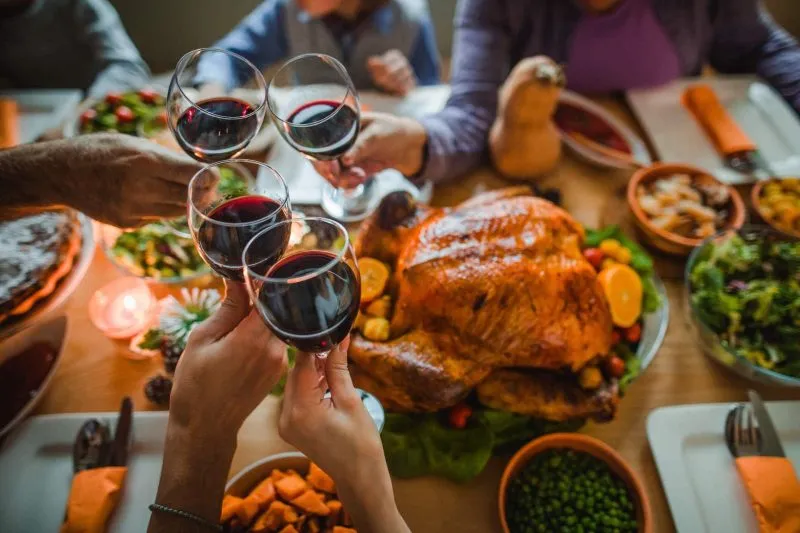
What is a boutique winery, and why choose its wines?
The phrase can sound like a promise of something rare, but it is more useful to think of it as a clue to a winery’s scale and approach. A boutique winery often makes wine in smaller quantities, which can make its selection feel personal and closely tied to its makers and place. If you have wondered what is a boutique winery, the practical answer is that the term has no single definition, so it helps to look past the label and ask good questions.
Smaller production can give a winemaker room to focus on a particular grape, site, or style rather than making a little of everything. That does not guarantee a wine will suit your taste, or that every small winery works the same way. It does give you a reason to ask how the wine was made and what the maker hoped to bring forward. Those details can make choosing a bottle feel more like finding a fit than chasing a reputation.
A memorable label is fun, especially when the table is dressed for a holiday, but it cannot tell you whether a wine will work with dinner. Look for the grape, region, vintage, and tasting notes, then consider whether the style sounds fresh and light, rounded and savory, or fruit-forward. If the information is limited, ask a shopkeeper or winery staff member what the wine is like with food. A useful match starts with flavor, not packaging.
A wine’s region, grape, and growing conditions can lend it a sense of place, though the best way to discover that character is simply to taste with curiosity. Serve one bottle alongside a familiar dish and notice what stands out: bright fruit, earthy notes, a crisp finish, or something you cannot quite name. The meal becomes a small exploration without turning Thanksgiving into a formal tasting. Keep the conversation easy; there is no wrong answer to “What do you think?”
Before browsing bottles, take a clear-eyed look at the feast you are actually serving. Thanksgiving menus can move from salty appetizers to buttery sides, tart cranberry sauce, savory turkey, and sweet pie in a single sitting. Your wines do not have to mirror every dish, but they should have a place in the meal and work for the people around the table.
Think in broad flavor families rather than trying to assign one wine to every plate. Salt, richness, sweetness, acidity, and roastiness are the signals that tend to shape a pairing. A crisp wine can refresh the palate after a rich bite, while a softer red may feel more at home beside turkey than a heavy, tannic one. A quick menu map can make shopping less random:
| Dish or flavor | Wine style to consider | Why it can work |
| Creamy potatoes or rich dip | Bright, crisp white | Freshness can balance richness |
| Roast turkey and herbs | Light-bodied red or savory white | Gentle flavors leave room for the dish |
| Cranberry sauce | Juicy, lower-tannin red | Fruit can meet tartness without too much grip |
| Pumpkin or apple pie | A small pour of dessert wine | Sweetness can complement dessert when served sparingly |
Treat these as starting points, not rules. Recipes vary, and so do palates; taste the wine with the actual food if you can, then adjust your plan around the combinations that feel most inviting.
A good lineup gives guests an easy choice as well as something new to try. Some people will be happiest with a familiar crisp white or light red; others may enjoy a grape or region they have not tasted before. Rather than asking everyone to agree on one perfect bottle, choose a few styles that cover different preferences. That small bit of variety usually makes the table feel more generous.
Check with guests ahead of time about preferences and dietary needs, and offer an appealing nonalcoholic drink alongside the wine. Sparkling water with citrus, a festive alcohol-free punch, or a nonalcoholic wine can give everyone a considered option. If you are buying wine for someone with a specific concern, check the label or ask the producer rather than making assumptions. A welcoming spread has room for people who choose not to drink, too.
A Thanksgiving wine selection does not need to be large to feel complete. A sparkling bottle can start the gathering, a white can carry savory sides, and a lighter red can meet turkey and cranberry without taking over. Add another option only if it serves a real purpose, such as offering guests a different style to explore.
Sparkling wine brings a festive mood to the first pour, and its lively bubbles can be refreshing with salty snacks or small bites. Choose a dry or gently fruity style based on what your guests tend to like and what is on the appetizer table. It is also perfectly fine to pour it before dinner and move on to still wines once the meal begins. A celebratory opening need not dictate the rest of the menu.
A versatile white should bring enough freshness for creamy or buttery sides while still feeling satisfying beside herbs and roasted vegetables. Crisp styles can reset the palate; fuller-bodied whites may feel more at ease with richer dishes. Read tasting notes for clues about acidity, body, and oak, then consider the sides you most want the wine to complement. The best choice is one you would happily pour again after the first glass.
Turkey is relatively mild, while cranberry sauce can be sweet and tart, so an especially powerful red may crowd both. Look for a lighter-bodied red with lively fruit and moderate tannin; it is more likely to stay pleasant across different plates. Serve it a touch cool rather than warm, especially if the room is busy and the oven has been running. Guests can always pour another glass if they like the pairing.
If your core lineup is familiar, one bottle with a different grape, region, or style can add a little discovery without making the meal feel like homework. Keep the description simple when you introduce it: mention whether it is crisp, aromatic, light, or fuller in body. No lengthy tasting notes are needed. A curious guest can ask for more, and everyone else can stick with what they already enjoy.
Thanksgiving plates rarely arrive as neat, separate pairings. A single forkful might mix turkey, gravy, stuffing, and cranberry, so flexible wines often make more sense than a precise match for each recipe. Think about how the wine behaves across the whole plate, then serve it where it has the best chance to shine.
A wine with noticeable freshness can offer contrast to creamy dips, cheese, buttery potatoes, or rich appetizers. That contrast keeps each bite from feeling too heavy and can make a crisp white or sparkling wine a useful early choice. Consider the intensity of the dish as well: a delicate wine may disappear beside a heavily seasoned dip, while a more expressive crisp style can hold its own. Let the food set the volume.
Roasted vegetables, browned turkey skin, and herb-heavy stuffing have savory depth that can pair well with whites offering more body or aromatic character. Look for notes that sound complementary to your menu, such as herbs, orchard fruit, or a rounded texture. Avoid relying on a tasting note as a guarantee; it is a description, not a promise that every guest will perceive the same thing. A small pour alongside the food is the most useful test.
Lighter reds can be flexible partners for a plate that moves between turkey, stuffing, and cranberry sauce. Fruit-forward flavors can meet the sauce’s tartness, while moderate tannin helps the wine remain approachable beside savory food. If the cranberry recipe is particularly sweet, a very dry, austere red may feel sharper by comparison. A juicy style is often a comfortable place to begin.
Dessert wine can be a lovely finish, but a large pour may feel heavy after a generous meal. Offer small servings and choose a style whose sweetness will not be overwhelmed by the dessert. With pumpkin or apple pie, taste a little of each together before deciding whether the match works for you. Coffee, tea, or a nonalcoholic option belongs on the dessert table just as naturally.
A little planning helps the host stay present rather than making repeated emergency trips to the refrigerator. Estimate how many people are likely to drink wine, set a budget that feels comfortable, and decide which bottles need chilling. It is easier to relax when the practical details are settled before guests arrive.
A standard 750-milliliter bottle usually provides about five moderate pours, though glass size and serving style make a difference. Estimate from the number of guests who plan to drink wine, the length of the gathering, and whether you will offer other drinks. If you are unsure, plan a modest amount and choose a shop with a clear return policy for unopened bottles, where available. A generous host need not overbuy.
Deciding on a budget first makes it easier to compare wines without feeling pushed toward a price point that does not suit you. Set a range that works for the whole selection, then consider spending a little more on a bottle you are particularly excited to share, if that feels worthwhile. A compelling Thanksgiving table is not built by price alone; good fit, thoughtful variety, and food you love matter just as much. If Levo Vineyard is already in your notes, use the same questions you would ask about any bottle: what is its style, and how might it suit the menu?
Whites and sparkling wines generally benefit from chilling, while many lighter reds are enjoyable slightly cooler than room temperature. Follow the bottle’s serving guidance when available, and avoid leaving wine in an ice bath so long that it loses all of its aroma. Open bottles as needed instead of uncorking everything at once. That keeps the table calmer and gives guests a chance to try the wines with different courses.
It is hard to predict which bottle will become the evening’s favorite, so one backup of a style you expect to be popular can be a sensible cushion. Choose something broadly useful rather than a niche bottle you are saving for a specific dish. Store it where it will be easy to find but not in the way of cooking. If it remains unopened, you have a bottle for another occasion.
Once you know the menu, guest preferences, and budget, the search can be enjoyable instead of overwhelming. A neighborhood shop, a tasting room, or a winery website may each offer a different way to learn about bottles, and you do not need to visit every source. The goal is a selection that feels considered and relaxed, not a table full of labels that require a speech.
A local wine shop can help translate your menu into a few styles to try, while tasting rooms and winery websites may offer more context about individual bottles. Start with a short list of what you need—perhaps bubbles, a white, and a lighter red—then ask for options at your price range. You can also browse aboutique wineries selection to get a sense of the range available. Let the meal guide your search rather than shopping by label alone.
If you are interested in a small-production bottle, ask whether it is currently available and whether the shop expects to receive more before the holiday. Availability can change, so it is useful to have a second choice in mind. A staff member may also be able to suggest a wine with a similar style if your first pick is sold out. Having a flexible plan is more relaxing than chasing a single bottle.
Tasting notes are most helpful when you connect their descriptions to the food you are serving. Words like “crisp,” “light-bodied,” or “savory” can point you toward a role at the table, while “rich” or “oaky” may suggest a better fit with more substantial dishes. Treat those words as clues rather than strict definitions; different producers and writers may use them differently. If the name Levo Vineyard catches your eye, read its available bottle information and assess it by the same menu-first approach.
A polished selection can be simple: a welcome pour, a white that works with the sides, a light red for the main plate, and perhaps a small dessert pour. Keep bottles where guests can see them, and give a brief, friendly description if someone asks what is open. You do not need matching glassware for every style or a pairing chart at each place setting. A little variety, served with ease, is plenty of celebration.
The term generally describes a winery that produces wine on a smaller scale, but it does not have one universal definition. Look at the producer’s information and the wine itself rather than relying on the word alone.
No. Production scale does not determine whether a wine will be delicious or suit your preferences. Taste, style, price, and the occasion are better guides.
Two or three well-chosen styles can cover a range of dishes and preferences. Add another bottle if it fills a clear role or gives guests a welcome alternative.
Turkey is flexible with many wines. A lighter-bodied red or a savory, food-friendly white can work well, depending on the seasonings and sides.
A juicy, fruit-forward lighter red can complement cranberry’s tartness, especially when it has moderate tannin. The sauce’s sweetness can change the pairing, so taste it with the meal if possible.
You can, but it is optional. If you do, pour a small serving of a dessert wine and consider how its sweetness compares with the pie.
Offer an appealing alcohol-free choice such as sparkling water with citrus, a festive punch, or nonalcoholic wine. Make it part of the drink selection from the start so it feels equally considered.