Physical Address
304 North Cardinal St.
Dorchester Center, MA 02124
Physical Address
304 North Cardinal St.
Dorchester Center, MA 02124

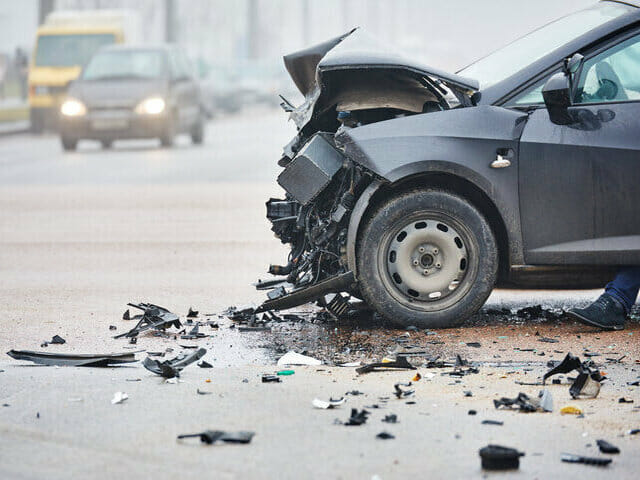
Most accident victims know they can seek payment for medical bills and lost income. Fewer know about punitive damages, a separate form of recovery that focuses on the wrongdoer’s behavior instead of the victim’s losses.
Knowing when these damages apply can shape how a claim is built from the start. This guide explains what they are, the standard courts use, and how awards are determined.
Punitive damages are money a court orders a defendant to pay because of especially serious misconduct. That misconduct may involve recklessness, malice, oppression, or fraud. Their purpose is to punish, not to reimburse.
Compensatory damages cover real losses, such as medical expenses, lost wages, and pain and suffering. Punitive damages sit on top of that recovery. Courts consider them only after a plaintiff has established the underlying claim and the losses that come with it.
Punitive awards also work as a deterrent. They tell the defendant, and everyone watching, that certain behavior will not be tolerated.
Courts focus on what the defendant did rather than only on how badly the plaintiff was hurt. That is why two cases with similar injuries can lead to very different outcomes.
Punitive damages are not routine. A plaintiff must offer clear and convincing evidence, which is a tougher standard than the preponderance of the evidence used in most civil cases.
The plaintiff generally needs to show the defendant acted with one of the following.
Malice means an intentional act meant to injure someone. It also covers despicable conduct carried out with willful and conscious disregard for the safety of others.
Oppression is despicable conduct that subjects a person to cruelty or unjust hardship. It is carried out with conscious disregard for that person’s rights.
Fraud involves intentional deceit, misrepresentation, or concealment of known facts. It is meant to deprive someone of property or legal rights.
Courts then ask whether the conduct in one of these categories directly caused the harm. Proving that link often takes extensive documentation and careful legal argument.
Courts generally reserve punitive damages for egregious behavior. Common examples include driving under the influence, assault and battery, and intentional infliction of emotional distress.
Ordinary negligence usually falls short. A driver who misses a stop sign by mistake is one example. Even common distractions, like the ones covered in this look at whether eating and driving is illegal in California, typically amount to negligence unless the circumstances show something closer to conscious disregard for others.
The line between carelessness and recklessness matters a great deal. The conduct has to rise to the level of recklessness or intentional wrongdoing.
No fixed formula exists. Courts weigh several factors to reach an amount that punishes the defendant and discourages repeat behavior.
Factors that commonly influence the amount include:
Wealth alone does not drive the number up. The nature of the misconduct carries the most weight.
Plaintiffs generally cannot name a specific punitive dollar figure at the outset. The court first evaluates the underlying claim, then decides whether punitive damages are warranted and in what amount.
Depending on the case, liability and punitive damages may be addressed in the same proceeding or in phases. Either way, the plaintiff’s attorney must build a strong case on both fronts.
The process can be long and demanding. Collecting evidence, presenting a clear and convincing case, and handling court procedure all take time and skill.
No. They apply only when serious misconduct is involved. A court reviews the facts of each case to decide whether they qualify.
A plaintiff must show clear and convincing evidence that the defendant acted with malice, oppression, or fraud. That is a higher bar than compensatory damages require.
These claims are more complicated than claims for compensatory damages alone. An experienced attorney knows what evidence courts look for and how to present it.
Seeking punitive damages takes more than proving an injury happened. It requires building a case that meets a strict standard and showing how the defendant’s conduct crossed the line.
Strong cases often rely on police reports, witness statements, phone records, toxicology results, and surveillance footage. Gathering that proof early can make a real difference.
A skilled car accident lawyer can review the facts, decide whether punitive damages may apply, and build a strategy aimed at maximizing your recovery. That includes negotiating with insurers and presenting evidence in court.
If you believe reckless or intentional conduct caused your injuries, speaking with an attorney is one of the most important steps you can take. You can find an office near you to get started and learn where you stand.