Physical Address
304 North Cardinal St.
Dorchester Center, MA 02124
Physical Address
304 North Cardinal St.
Dorchester Center, MA 02124

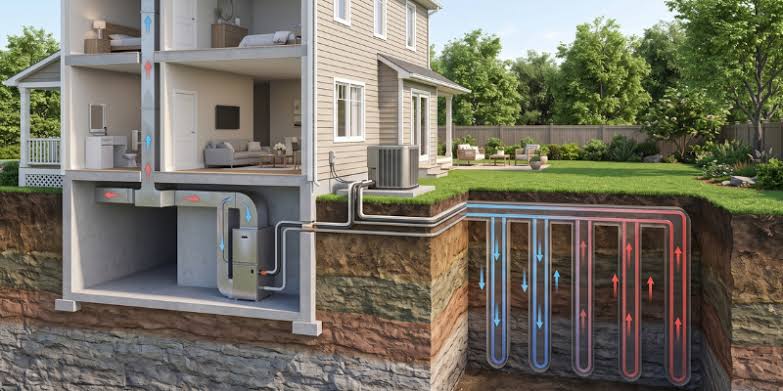
Geothermal heat pumps are a popular choice for homeowners seeking energy-efficient heating and cooling solutions. These systems use the stable temperatures underground to regulate indoor comfort, making them both environmentally friendly and cost-effective over time. However, as with any mechanical system, the heat pump component may eventually require replacement due to age, wear, or technological advancements. Many homeowners wonder if replacing the heat pump means they must also replace the ground loop, which is a significant investment and a major part of the installation. Understanding the relationship between the heat pump and the ground loop is essential for making informed decisions about system upgrades or repairs.
A geothermal heat pump system consists of two main parts: the heat pump unit inside the home and the ground loop buried underground. The ground loop is a network of pipes that circulates a water-based solution, transferring heat between the earth and the heat pump. The heat pump itself is responsible for extracting or dissipating heat, depending on whether the system is in heating or cooling mode. Over time, the heat pump may become less efficient or fail due to mechanical issues, while the ground loop, protected underground, typically has a much longer lifespan. The durability of the ground loop is one of the reasons geothermal systems are considered a long-term investment, as these loops can often last for several decades with minimal maintenance.
When a geothermal heat pump reaches the end of its service life, many homeowners are relieved to learn that the ground loop does not necessarily need to be replaced at the same time. The ground loop is constructed from high-density polyethylene piping, which is designed to withstand underground conditions for 50 years or more. As long as the ground loop remains intact, leak-free, and properly sized for the new heat pump, it can continue to function effectively with a replacement unit. This separation of components means that the cost and disruption associated with replacing the entire system can be significantly reduced. Homeowners can focus on upgrading the heat pump itself, which is a more straightforward process than excavating and installing a new ground loop.
One important consideration when replacing a geothermal heat pump is ensuring compatibility between the new unit and the existing ground loop. Not all heat pumps are designed to work with every type of ground loop, and factors such as loop length, configuration, and capacity must be evaluated. A qualified HVAC contractor will assess the condition and specifications of the ground loop before recommending a replacement heat pump. In many cases, modern heat pumps are designed to be compatible with older ground loops, provided the loop is in good condition and meets the necessary requirements. This compatibility allows homeowners to benefit from advancements in heat pump technology without the expense of replacing the ground loop. For those in the Delmarva region, Wicomico Heating & Air Conditioning can provide guidance on selecting a new heat pump that works seamlessly with your existing ground loop, ensuring efficient and reliable operation for years to come.
While ground loops are built to last, there are situations where replacement or repair may be necessary. If the ground loop develops leaks, becomes blocked, or is undersized for a new, higher-capacity heat pump, it may not deliver optimal performance. Signs of ground loop issues include a sudden drop in system efficiency, unexplained increases in energy bills, or the presence of air or contaminants in the loop fluid. Regular maintenance and inspections can help identify potential problems early, allowing for timely repairs that extend the life of the ground loop. In most cases, however, a well-installed and properly maintained ground loop will outlast multiple heat pump replacements, making it a reliable component of your geothermal system.
Replacing a geothermal heat pump while keeping the existing ground loop is a process that typically involves disconnecting the old unit, inspecting the ground loop for integrity, and installing the new heat pump. The contractor will flush the ground loop to remove any debris or buildup, check for leaks, and ensure the loop fluid is at the correct concentration. Once the new heat pump is connected, the system is tested for proper operation and efficiency. This approach minimizes disruption to the property, as there is no need for excavation or major landscaping work. Homeowners can expect a smoother, faster installation compared to a full system replacement, with the added benefit of lower costs and less environmental impact.
Reusing the existing ground loop when replacing a geothermal heat pump offers several advantages. It significantly reduces the overall cost of the project, as ground loop installation is the most labor-intensive and expensive part of a geothermal system. Keeping the ground loop also preserves landscaping and avoids the need for heavy equipment on the property. Additionally, reusing the loop supports sustainability by maximizing the lifespan of materials already in place. Homeowners can enjoy the improved performance and efficiency of a new heat pump while continuing to benefit from the original investment in their geothermal system. This approach makes geothermal heating and cooling an even more attractive option for long-term energy savings and environmental responsibility.
In rare cases, replacing the ground loop may be unavoidable. If the loop has suffered physical damage, extensive leaks, or has deteriorated due to poor installation or soil conditions, it may no longer function as intended. Similarly, if a homeowner wishes to upgrade to a significantly larger or more powerful heat pump, the existing ground loop may not have the capacity to support the increased load. In these situations, a thorough assessment by a qualified contractor is essential to determine the best course of action. While ground loop replacement is a major undertaking, it is relatively uncommon compared to heat pump replacement. Most homeowners will find that their ground loop remains a dependable part of their geothermal system for many years.
Replacing a geothermal heat pump does not automatically mean the ground loop must also be replaced. In most cases, the ground loop is designed to last much longer than the heat pump itself, allowing homeowners to upgrade their system with minimal disruption and expense. Ensuring compatibility between the new heat pump and the existing ground loop is crucial for optimal performance and efficiency. Regular maintenance and professional assessments can help identify any issues with the ground loop before they become serious problems. By understanding the relationship between these two components, homeowners can make informed decisions that protect their investment and maintain the comfort and efficiency of their home for years to come.