Physical Address
304 North Cardinal St.
Dorchester Center, MA 02124
Physical Address
304 North Cardinal St.
Dorchester Center, MA 02124

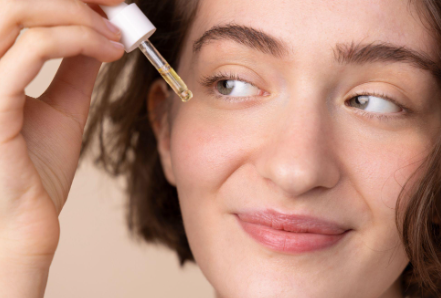
Midday shine, makeup that slides off by noon, pores that look bigger by evening than they did at 9am, anyone with oily skin knows this cycle well. Niacinamide keeps coming up as the fix, but does it actually hold up, or is it just another ingredient riding a wave of good marketing? Turns out there’s real research behind it, and a niacinamide serum for oily skin is one of the few active-ingredient claims that’s actually backed by clinical data rather than just anecdote.
A niacinamide serum tends to be the starting point for most people, since it delivers a higher concentration directly to skin. Once oil is under better control, a niacinamide moisturizer can carry that same regulation through the rest of the day without adding the heaviness that oily skin usually reacts badly to.
Sebaceous glands sit under the skin and produce sebum, an oily substance that’s supposed to protect and lubricate. Problems start when they produce too much of it. A few things tend to push sebum production higher than it needs to be:
That extra sebum stretches out pores from the inside and mixes with dead skin cells and dirt, ending up as exactly what most people are trying to avoid: shine, clogged pores, and breakouts.
Short answer: yes, and skin generally responds to it in a pretty visible way.
Niacinamide works by calming down how much oil the sebaceous glands push out in the first place, rather than just sitting on top of skin and soaking up shine the way a blotting paper or mattifying powder would. Over time, with consistent use, skin starts producing oil at a steadier, more manageable rate instead of swinging between greasy by noon and tight and dry after a harsh cleanse.
It also helps smooth out the skin’s surface and supports a healthier barrier, so skin feels more balanced rather than stripped. That balance is really the key — oily skin often overproduces sebum as a rebound response to being over-cleansed or over-treated, and niacinamide helps break that cycle instead of adding to it.
The result most people notice is less midday shine, makeup that holds up longer, and a complexion that feels more even without the tightness that comes from harsher, drying products.
This part is a little more nuanced. Niacinamide doesn’t physically shrink a pore, since pores don’t have muscles that can contract. What it does is address the two biggest reasons pores look larger in the first place:
Less sebum means less stretching, and a smoother, more even skin surface means pores read as smaller even though their actual size hasn’t changed. Niacinamide also supports the skin’s natural collagen production around the pore opening, which adds a bit of structural firmness over time. So the effect is real, it’s just gradual rather than immediate.
For oil control and pore refinement, 5% to 12% niacinamide is the range that shows up as genuinely effective, used once or twice daily over several weeks. This is higher than the older standard of 2%, and the difference shows up in how noticeable the results are — both in oil regulation and in visibly refined pores.
A 12% niacinamide serum formulated with double encapsulation stands out in particular. Encapsulation technology releases the active gradually instead of all at once, which means even at a higher concentration like 12%, the formula stays gentle enough for sensitive skin and for people just starting out with actives. That combination, a higher, more effective concentration paired with a slow-release delivery system is what lets a single serum handle both oil control and pore concerns without the flushing or irritation that unencapsulated high-percentage formulas can cause.
It’s also worth separating sebum regulation from oil removal, since they’re not the same thing. Blotting papers and mattifying powders lift oil that’s already sitting on the skin, a short-term fix that needs repeating throughout the day. Niacinamide works further upstream, reducing how much oil the glands actually produce, so the effect builds gradually instead of resetting every few hours.
Results aren’t overnight, and they tend to show up in stages:
Niacinamide isn’t blotting paper. It’s a slower, cumulative shift in how much oil the skin produces in the first place, which is exactly why it holds up better over time than products that just mattify the surface temporarily.